Free Learning Resources for Students Without Access to Libraries
For generations, libraries have been essential gateways to education, offering students free access to textbooks, literature, research materials, and quiet spaces for study. Yet for millions of learners around the world, access to a physical library remains limited or nonexistent. Students in rural communities, underserved urban areas, refugee settlements, and low-income regions often face significant educational disadvantages because of the absence of these traditional learning hubs.
The good news is that the digital age has dramatically expanded access to free educational resources. Today, students without libraries can still access books, academic materials, courses, and learning tools through digital platforms, mobile applications, and offline technologies. These resources are helping bridge educational gaps by making learning more accessible regardless of geography or economic status.
This article explores the wide range of free learning resources available to students without access to libraries, highlighting practical tools, common challenges, and effective strategies for independent learning.
1. Why Alternative Learning Resources Matter
Libraries provide far more than books they offer access to knowledge, foster literacy, and support academic success. Without them, students often face:
- Limited access to textbooks and study materials
- Reduced exposure to reading resources
- Difficulty completing assignments and research
- Lower academic performance
- Fewer opportunities for self-directed learning
These barriers can widen the gap between students in well-resourced areas and those in underserved communities.
However, free digital resources are transforming this reality. With the rise of open educational resources (OER), mobile learning platforms, and community-led educational initiatives, students can increasingly access the materials they need even without a library nearby.
2. Free Digital Libraries and Book Platforms
One of the most important developments in education access is the growth of free digital libraries, which provide thousands or even millions of books online.
A. Public Domain and Classic Literature
These platforms are excellent for literature, history, and foundational academic reading:
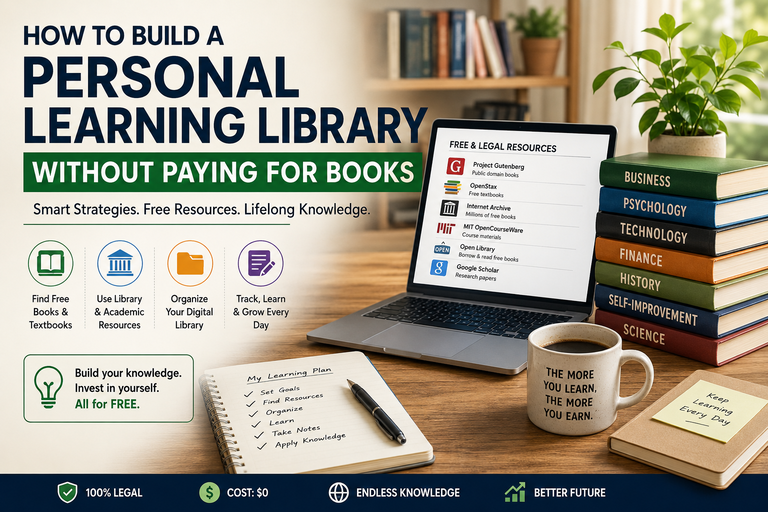
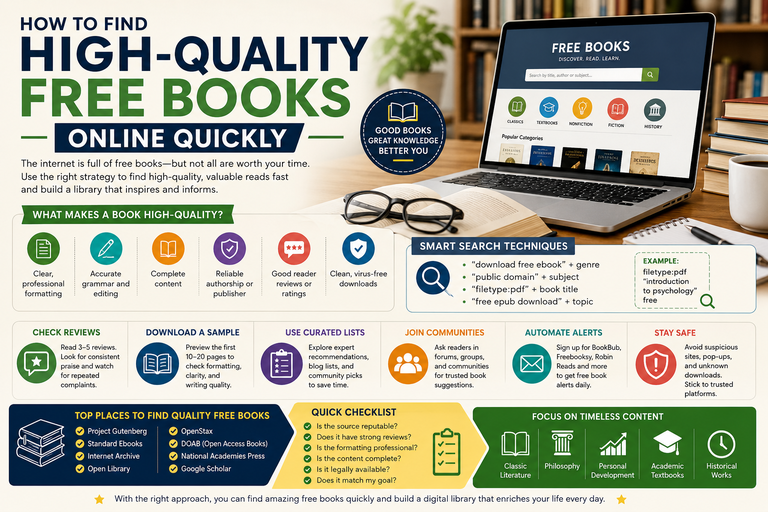
Project Gutenberg
Project Gutenberg offers more than 70,000 free eBooks, primarily public domain classics. Students can download books in lightweight formats such as EPUB, Kindle, or plain text, making them ideal for low-bandwidth internet connections.
Best for:
- Classic literature
- Historical texts
- Philosophy
- Language studies
Internet Archive
The Internet Archive provides access to millions of books, research texts, videos, and educational materials. Through its Open Library, students can borrow digital copies of books for free.
Best for:
- Textbooks
- Research materials
- Audiobooks
- Archived educational media
Open Library
Open Library allows users to borrow digital books from a vast online catalog. It includes older academic materials and general reading books.
Best for:
- General reading
- Older textbooks
- Supplemental study materials
B. Free Textbooks and Academic Books
For students needing subject-specific academic materials, these platforms provide free and legal textbooks.
OpenStax
OpenStax offers peer-reviewed textbooks for high school and college students. Subjects include:
- Mathematics
- Biology
- Physics
- Economics
- Social sciences
Books are downloadable in PDF format at no cost.
Saylor Academy
Saylor Academy provides free online courses and textbooks, particularly for college-level learners.
Directory of Open Access Books (DOAB)
DOAB offers open-access scholarly books from reputable publishers, useful for higher education students and independent researchers.
3. Free Online Courses and Educational Platforms
Students without library access often need more than books they need explanations, instruction, and practice exercises. Fortunately, many free platforms provide full learning experiences, including lessons, quizzes, and assessments.
A. Massive Open Online Courses (MOOCs)
Coursera
Many Coursera courses can be audited for free, allowing students to access lectures and reading materials without paying.
Subjects include:
- Computer science
- Business
- Humanities
- Health sciences
edX
edX offers free audit tracks for university-level courses from institutions around the world.
FutureLearn
FutureLearn provides free access to selected courses in a wide variety of disciplines.
These platforms give students access to university-level instruction even when physical educational resources are limited.
B. School-Level Learning Platforms
Khan Academy
Khan Academy is one of the most comprehensive free learning platforms available.
It offers:
- Video lessons
- Practice exercises
- Structured learning paths
- Exam preparation resources
Subjects include:
- Math
- Science
- Economics
- Computing
- SAT prep
CK-12 Foundation
CK-12 offers free digital textbooks and interactive simulations for STEM education.
BBC Bitesize
BBC Bitesize provides curriculum-based content for school-age learners, especially useful for revision and exam preparation.
4. Mobile Learning: Education Through Smartphones
In many regions, students may not own a computer, but they often have access to a smartphone. This has made mobile learning one of the most important tools for educational access.
Students commonly rely on:
- Shared family phones
- Budget Android devices
- Limited mobile data plans
Many educational platforms now support:
- Mobile apps
- Low-data websites
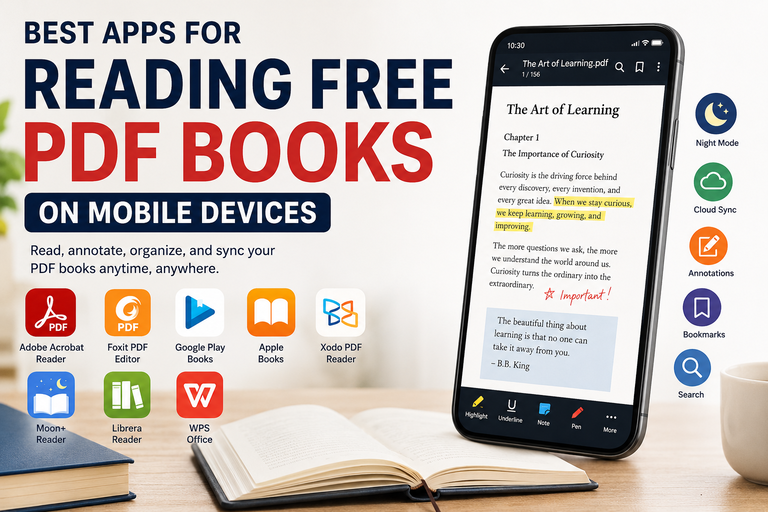
- Offline downloads
- Screen-friendly reading formats
Worldreader
Worldreader is specifically designed to deliver free mobile-friendly books to learners in low-income communities.
Its benefits include:
- Lightweight mobile access
- Thousands of free books
- Accessibility for underserved students
Mobile learning ensures that education can continue even without computers or libraries.
5. Offline Learning Resources for Areas With Limited Internet
Internet access remains unreliable in many underserved areas. To address this, several platforms support offline learning, allowing students to download or access materials without constant connectivity.
A. Downloadable Resources
Students can save:
- PDFs
- eBooks
- Lecture videos
- Practice worksheets
These can be downloaded during temporary internet access such as at public Wi-Fi spots and used later offline.
B. Offline Education Platforms
Kolibri
Kolibri is an offline-first learning platform containing educational videos, books, and exercises.
It is widely used in:
- Rural schools
- Community learning centers
- Refugee camps
RACHEL
RACHEL stands for Remote Area Community Hotspot for Education and Learning. It provides a portable offline server loaded with educational materials accessible through local Wi-Fi no internet required.
These tools are especially valuable where internet access is expensive or unavailable.
6. Audio and Visual Learning Resources
For students with literacy barriers, disabilities, or limited reading resources, audio and video learning materials provide accessible alternatives.
A. Free Audiobooks
LibriVox
LibriVox offers free public domain audiobooks narrated by volunteers.
Internet Archive Audio
The Internet Archive also includes a large collection of educational audio resources.
Audiobooks help:
- Language learners
- Students with visual impairments
- Students who learn better by listening
B. Educational Video Platforms
Free educational YouTube channels can provide structured lessons in an engaging format:
- CrashCourse
- TED-Ed
- Khan Academy
- National Geographic Education
These channels are particularly effective for visual learners.
7. Community-Based Learning Alternatives
When formal libraries are absent, communities often create informal learning networks.
Examples include:
Book-Sharing Programs
Students exchange textbooks and learning materials among peers.
Community Learning Centers
NGOs and local groups establish centers with:
- Shared devices
- Internet access
- Study spaces
Religious and Community Institutions
Churches, mosques, and community centers sometimes host:
- Study groups
- Shared learning materials
- Computer access
These community solutions often become vital educational support systems.
8. Open Educational Resources (OER)
Open Educational Resources are freely accessible, openly licensed educational materials that anyone can use and adapt.
They include:
- Textbooks
- Worksheets
- Lesson plans
- Videos
- Academic modules
OER benefits students by:
- Eliminating textbook costs
- Supporting local adaptation
- Enabling translation into local languages
- Expanding educational access
As governments and institutions adopt OER policies, educational equity improves.
9. Challenges Students Still Face
Although free resources are growing, major obstacles remain:
Limited Internet Access
Many students cannot maintain reliable online connections.
High Data Costs
Mobile internet can be expensive.
Device Limitations
Students may use older devices with:
- Small screens
- Low storage
- Weak batteries
Digital Literacy Gaps
Not all learners know how to:
- Find reliable materials
- Use digital tools
- Evaluate sources
Language Barriers
Many free resources are available only in dominant global languages.
Addressing these challenges requires cooperation among educators, NGOs, governments, and technology providers.
10. Practical Strategies for Students
Students without library access can maximize free resources by:
- Downloading materials during free Wi-Fi access
- Using lightweight PDF and EPUB files
- Saving materials on memory cards
- Using offline reading apps
- Joining online study communities
- Sharing devices with scheduled study times
These strategies help learners make the most of limited connectivity and technology.
11. Long-Term Benefits of Free Learning Access
Access to free educational resources has lasting benefits:
- Improved literacy rates
- Better academic performance
- Increased university readiness
- Enhanced job opportunities
- Greater self-confidence
- Lifelong learning habits
When students gain access to knowledge, education becomes less dependent on location or income.
Conclusion
The lack of access to physical libraries remains a major challenge for students around the world. Libraries have long been critical to academic success, but for many learners, geography, poverty, and underfunded institutions place them out of reach.
Fortunately, free learning resources are reshaping access to education. Through digital libraries, open textbooks, online courses, mobile apps, offline platforms, and community initiatives, students can continue learning regardless of whether a library is nearby.
These resources are not simply substitutes for libraries they are powerful tools for educational inclusion and equity. As access to free educational materials expands, more students will have the opportunity to learn, grow, and build better futures.
In a world increasingly connected by technology, knowledge no longer has to be limited by the absence of a library.