How Students in Low-Income Regions Access Free Books Online
Access to books is one of the most powerful drivers of education and social mobility. Books provide students with knowledge, improve literacy, strengthen critical thinking, and create opportunities for a better future. Yet in many low-income regions around the world, access to books remains a major challenge.
Physical libraries are often underfunded or nonexistent, textbooks are expensive, and printed educational materials are frequently outdated. In rural communities, conflict zones, and economically disadvantaged areas, students often face severe limitations in obtaining the learning resources they need.
However, digital technology is changing this reality.
With the rise of free online libraries, open educational platforms, mobile devices, and offline digital learning tools, millions of students in low-income regions are finding new ways to access books and continue their education. Even in places with limited infrastructure, innovative digital solutions are helping bridge the educational gap.
This article explores the key methods, platforms, challenges, and emerging solutions that enable students in low-income regions to access free books online.
1. The Growing Importance of Digital Access
For students in low-income regions, traditional barriers to educational resources can be overwhelming. Common obstacles include:
- High textbook costs
- Limited school library resources
- Rural isolation
- Political instability or conflict
- Underfunded educational systems
These challenges often leave students with few options for acquiring books. In many communities, schools may have only a handful of outdated textbooks shared among dozens of learners. Libraries, if they exist at all, may lack relevant or current materials.
Digital books offer a practical alternative.
Unlike printed books, digital books eliminate the costs of printing, shipping, and physical storage. Once uploaded, they can be distributed instantly to thousands of students at little additional cost.
The advantages of digital books include:
- No printing or distribution costs
- Instant access to updated editions
- Easy portability on phones or tablets
- Searchable and interactive content
- Scalable access across regions
As internet access expands even gradually digital learning materials are becoming essential for educational inclusion in underserved communities.
2. Free Online Book Platforms Widely Used by Students
One of the most important developments in global education is the rise of free online platforms that provide legal access to books, textbooks, and learning resources.
These platforms help remove financial barriers by offering digital content at no cost.
A. Open-Access Digital Libraries
Several open-access digital libraries have become vital learning tools for students worldwide.
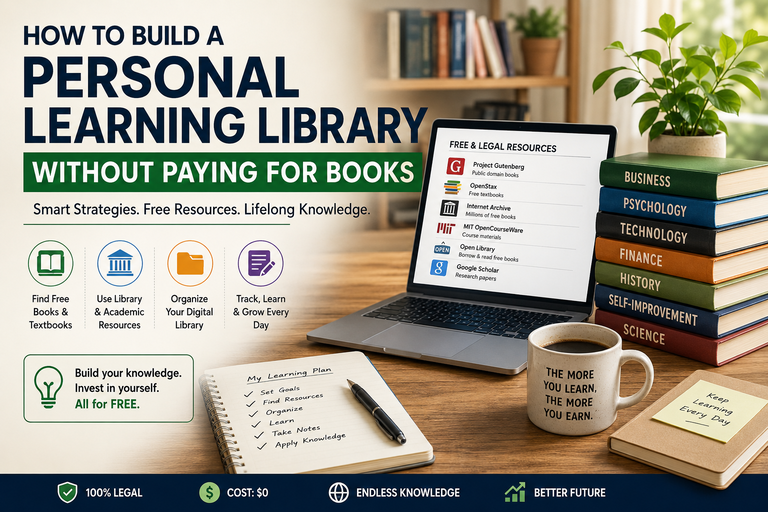
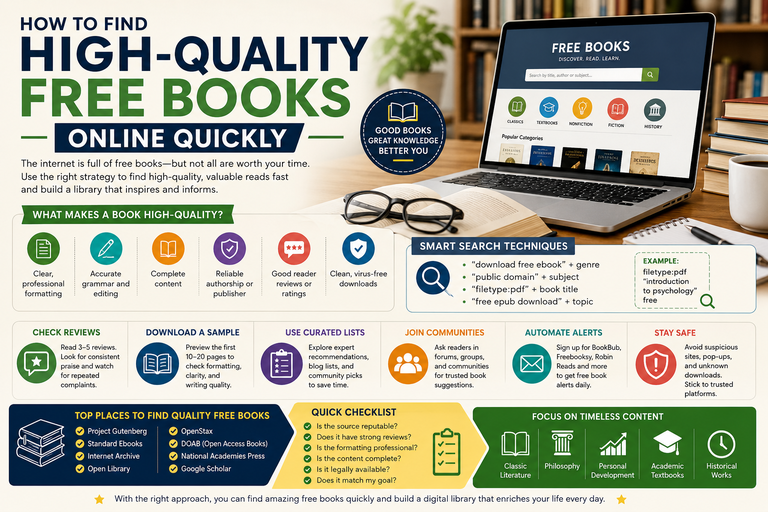
Project Gutenberg
Project Gutenberg offers more than 70,000 free eBooks, including literature, educational works, and historical texts. Since the books are in the public domain, they can be downloaded freely in lightweight formats such as EPUB, Kindle, and HTML making them ideal for users with low bandwidth.
Internet Archive
The Internet Archive hosts millions of free books, academic materials, and educational resources. Through its Open Library, students can borrow digital books for free, making it a valuable alternative to traditional libraries.
Open Library
Open Library provides access to borrowable digital books, especially useful for students seeking literature and older academic texts that may be difficult to find locally.
Directory of Open Access Books (DOAB)
DOAB provides free scholarly books from academic publishers, giving university students access to high-quality academic materials without the cost of commercial textbooks.
These platforms have become crucial educational lifelines in regions where printed materials are scarce or unaffordable.
B. Educational and Textbook Platforms
Beyond digital libraries, many organizations provide free textbooks specifically designed for students.
OpenStax
OpenStax offers peer-reviewed textbooks in subjects such as:
- Science
- Mathematics
- Economics
- Humanities
These textbooks are widely used in schools and universities and are available in PDF and online formats.
Saylor Academy
Saylor Academy provides free online courses and textbooks, allowing students to download materials and study independently.
National Open Education Resource Platforms
Many countries are investing in free digital textbooks through national education platforms, such as:
- African Virtual University
- Indian National Digital Library
- UNESCO Open Educational Resources
- UNICEF Digital Learning Materials
These platforms help ensure students have access to curriculum-relevant resources without financial burden.
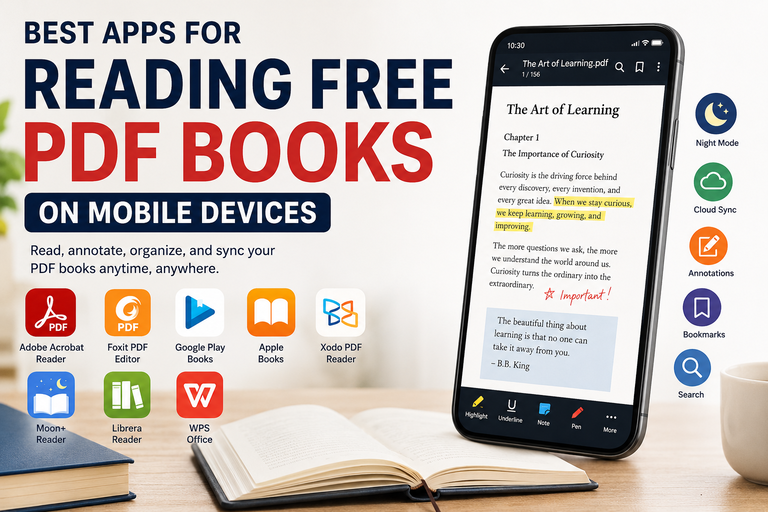
3. The Role of Mobile Phones
In many low-income regions, smartphones are more accessible than computers.
While laptops and tablets remain expensive, low-cost mobile phones have become widespread. For many students, a smartphone is their primary educational device.
Students often rely on:
- Low-cost Android phones
- Shared family smartphones
- Community internet kiosks
- Public Wi-Fi hotspots
This mobile-first access is transforming education.
Why Mobile Access Matters
Mobile phones offer several practical benefits:
- Mobile data is often cheaper than broadband
- Phones are portable and widely owned
- Apps allow offline downloads
- Educational content can be accessed anytime
To support this, many platforms now provide:
- Lightweight mobile websites
- Low-data reading formats
- Offline access options
- Mobile-friendly learning apps
For example, Worldreader offers free digital books optimized for mobile devices, enabling students to read with minimal data usage.
This is especially valuable in regions where students may have intermittent connectivity but consistent access to a phone.
4. Offline Access Solutions
Internet access remains inconsistent in many underserved areas. To overcome this challenge, offline learning solutions are becoming increasingly important.
A. Download-and-Store Method
Many students use a simple strategy: they download educational resources whenever internet is available at school, at public Wi-Fi locations, or at internet cafés and read them offline later.
This reduces data costs and allows learning to continue even without regular connectivity.
B. Offline Digital Libraries
More advanced solutions bring entire digital libraries into communities without requiring internet access.
Kolibri
Kolibri is an offline learning platform that stores educational content on local servers. Students can access books, videos, and lessons through local networks without internet.
RACHEL
RACHEL (Remote Area Community Hotspot for Education and Learning) provides preloaded educational content that can be accessed through local Wi-Fi, even in schools without internet.
Solar-Powered Digital Libraries
In rural areas with unreliable electricity, solar-powered digital libraries allow students to access learning materials independently of the electrical grid.
These solutions are helping bring education to some of the most remote communities in the world.
5. Community and NGO Initiatives
Non-governmental organizations are playing a critical role in improving access to digital books.
Many NGOs help by:
- Setting up digital learning centers
- Providing refurbished devices
- Sponsoring mobile data packages
- Translating books into local languages
- Teaching digital literacy
Organizations such as:
- Worldreader
- Room to Read
- Library For All
focus on delivering culturally relevant educational content to underserved communities.
These efforts are vital because they address not just access to books, but also the infrastructure and skills needed to use them effectively.
6. Language Accessibility
Language is another major barrier.
Many free educational resources are available only in English, limiting accessibility for students who learn in local languages.
To address this:
- Platforms are expanding multilingual collections
- Volunteers translate open textbooks
- Governments digitize local-language curriculum materials
- NGOs adapt books for regional contexts
Providing educational resources in students’ native languages greatly improves understanding and learning outcomes.
7. Challenges Students Still Face
Despite growing access, many barriers remain.
A. Connectivity Issues
Students often face:
- Slow internet speeds
- Expensive mobile data
- Network outages
B. Device Limitations
Low-cost phones may have:
- Small screens
- Limited storage
- Weak batteries
C. Digital Literacy Gaps
Many students lack training in:
- Searching for reliable resources
- Downloading materials
- Evaluating source credibility
D. Copyright Restrictions
Many modern textbooks are still behind paywalls, limiting access to the latest materials.
These obstacles mean that access to technology alone is not enough.
8. Innovative Emerging Solutions
New innovations are helping close these gaps.
These include:
- Zero-rated educational websites, where students access learning materials without data charges
- AI-powered summarization tools, reducing data usage and reading time
- Community mesh networks, enabling local sharing of educational resources
- Creative Commons licensing, expanding legal access to textbooks
Governments are increasingly recognizing that open educational resources are a sustainable solution for national education systems.
9. The Broader Impact on Educational Equity
Access to free online books has far-reaching benefits.
It contributes to:
- Improved literacy rates
- Higher school completion rates
- Greater university access
- Independent learning opportunities
- Better employment prospects
When students gain free access to books, they gain the tools to improve their futures.
This is not simply about education it is about equity.
10. Recommendations for Expanding Access
To improve access further, stakeholders should prioritize:
- Expanding public Wi-Fi and community internet hubs
- Promoting open textbook policies
- Investing in solar-powered digital infrastructure
- Supporting NGO partnerships
- Developing local-language content
- Providing digital literacy training
These steps can significantly reduce educational inequality.
Conclusion
In many low-income regions, financial hardship and limited infrastructure continue to restrict educational opportunity. Yet free online books are changing what is possible.
Through open-access platforms, mobile technology, offline libraries, and community-driven initiatives, students are overcoming barriers that once prevented them from accessing quality educational materials.
The expansion of free digital books is more than a technological advancement it is a major step toward global educational equity.
By investing in open resources, affordable connectivity, and inclusive digital infrastructure, societies can help ensure that a student’s ability to learn is no longer determined by their economic circumstances.