Posted by:MKFINEST

2026-03-09
Share this:
The Role of Free Online Libraries in Supporting Independent Learners

The Role of Free Online Libraries in Supporting Independent Learners

independent learning has become one of the defining features of modern education. People around the world now study outside traditional classrooms to change careers, develop new skills, prepare for exams, explore personal interests, or better understand complex global issues. However, successful self-directed learning depends heavily on one essential factor: access to reliable and high-quality learning materials.

Free online libraries digital platforms that provide no-cost access to books, research papers, textbooks, audiobooks, and historical documents have become a vital resource for independent learners. By removing financial barriers and providing structured collections of credible information, these libraries make it possible for people to build knowledge without formal institutional support.

This article explores what free online libraries are, how they support independent learners, why they matter in modern education, and the challenges they face.


What Are Free Online Libraries?

A free online library is a digital platform that offers access to curated collections of educational and informational resources at no cost. Unlike random websites or unverified content platforms, these libraries often maintain organized collections supported by institutions such as universities, governments, or public library systems.

Free online libraries typically include materials such as:

  • e-books and digital textbooks

  • academic journal articles and research papers

  • audiobooks and multimedia resources

  • historical archives and manuscripts

  • open course materials and study guides

  • specialized knowledge databases

Some digital libraries provide fully downloadable resources, while others offer online reading or time-limited digital lending.

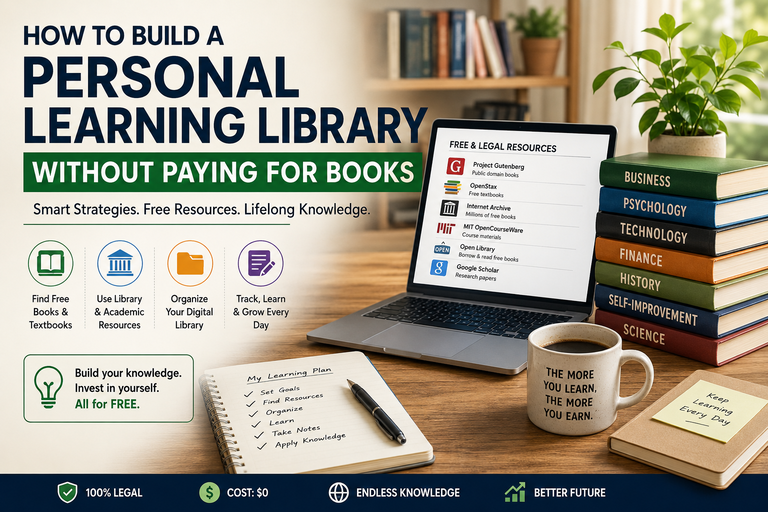
Examples of major global digital library initiatives include platforms like Project Gutenberg, Internet Archive, Directory of Open Access Journals, and Open Library. These platforms have collectively made millions of books and research documents freely accessible.


Why Independent Learners Need Libraries More Than Ever

Self-directed learners face challenges that formal students often avoid because universities provide structure and resources.

Independent learners must manage:

  • selecting reliable sources

  • organizing learning paths

  • evaluating information credibility

  • accessing expensive textbooks and journals

  • studying without instructor guidance

Free online libraries help bridge these gaps by offering structured collections, discovery tools, and reliable educational content.

Instead of relying on scattered internet searches, independent learners can build their knowledge using curated and organized resources.


How Free Online Libraries Support Independent Learners

1. Removing Financial Barriers

One of the most important benefits of free online libraries is their ability to eliminate cost barriers.

Textbooks, academic journals, and reference materials can be expensive. Many learners cannot afford the recurring cost of buying books or subscribing to research databases.

Free libraries allow learners to:

  • explore multiple subjects before specializing

  • access foundational textbooks without cost

  • study for months or years without subscription fees

  • avoid illegal or pirated materials

This accessibility allows independent learners to sustain long-term educational projects.


2. Providing Credible and Reliable Information

The internet contains an enormous amount of information, but much of it is unreliable or poorly sourced.

Free online libraries often operate with institutional support from universities, governments, or cultural organizations. This means learners can access materials with clear authorship, publication history, and editorial oversight.

Library collections commonly include:

  • peer-reviewed research papers

  • recognized academic textbooks

  • historical documents and primary sources

  • reputable scholarly editions

This credibility helps independent learners build knowledge on trustworthy foundations.


3. Offering Structured Discovery and Learning Pathways

A key advantage of libraries is organization. Unlike search engines that simply list results, libraries categorize knowledge using structured systems such as subject headings, catalog records, and classification frameworks.

These systems help learners:

  • begin with introductory materials

  • find advanced resources on the same topic

  • identify influential authors in a field

  • explore related disciplines

In effect, library catalog systems act as a self-guided curriculum, helping learners progress from beginner to advanced understanding.


4. Supporting Deep Learning

Modern online culture often emphasizes short-form content such as videos, social media posts, and brief articles. While these resources can introduce ideas, they rarely provide the depth required for mastery.

Free online libraries encourage long-form learning, offering resources such as:

  • complete textbooks

  • academic monographs

  • historical collections

  • reference encyclopedias

  • technical manuals

These resources allow independent learners to study topics in detail and build a strong conceptual foundation.


5. Supporting Different Learning Styles

Effective learning requires resources that match different preferences and accessibility needs.

Many free online libraries provide:

  • audiobooks for auditory learners

  • adjustable text formats for comfortable reading

  • screen-reader compatible files for visually impaired users

  • transcripts and captions for multimedia materials

  • multilingual resources and translated works

Accessibility features ensure that learning opportunities reach broader audiences.


6. Strengthening Research and Critical Thinking Skills

Using a library teaches important intellectual habits that support independent learning.

Learners develop skills such as:

  • evaluating author credibility

  • interpreting citations and references

  • comparing multiple sources

  • distinguishing primary from secondary sources

  • following research trails through bibliographies

These skills help learners build stronger research habits and become more critical consumers of information.


7. Supporting Learners Outside Formal Education Systems

Students enrolled in universities often have access to subscription databases and large institutional libraries. Independent learners usually lack these privileges.

Free online libraries help close this gap by providing:

  • open textbooks similar to those used in universities

  • open access research papers

  • public reports from government and research institutions

  • specialized knowledge resources

This access is especially valuable for career changers, adult learners, and people pursuing professional self-development.


8. Preserving Local and Cultural Knowledge

Many digital libraries focus on preserving cultural heritage and regional knowledge.

National archives and community collections often digitize materials such as:

  • local histories

  • indigenous languages and traditions

  • cultural manuscripts and artifacts

  • region-specific health or agricultural resources

These materials help independent learners study subjects that are often overlooked in mainstream educational resources.


Major Types of Free Online Libraries

Public Library Digital Platforms

Many public libraries now provide digital lending services that allow members to borrow e-books and audiobooks remotely.

These collections often include:

  • contemporary nonfiction

  • professional development guides

  • exam preparation materials

  • language learning books


Open Educational Resource Libraries

Open Educational Resources (OER) provide free textbooks and teaching materials that are openly licensed for reuse and adaptation.

These platforms help learners access structured course-like content without paying for traditional textbooks.


Open Access Research Repositories

Open access repositories host scholarly research that authors or institutions have made publicly available.

These platforms allow learners to explore:

  • scientific research papers

  • doctoral theses

  • technical datasets

  • academic conference proceedings


Public Domain Digital Archives

Public domain libraries provide access to works whose copyrights have expired.

Many classic works in philosophy, literature, economics, and early science remain valuable learning resources.

Platforms like Project Gutenberg host tens of thousands of public domain texts.


National Libraries and Cultural Archives

National libraries and museums often digitize rare manuscripts, photographs, and historical records.

These collections allow learners to explore original documents that were previously accessible only to researchers.


Challenges Facing Free Online Libraries

Despite their importance, free online libraries face several challenges.

Copyright Restrictions

Many modern books and research materials remain under copyright protection. As a result, libraries cannot freely distribute large portions of contemporary scholarship.

This limits access to some recent publications.


Quality Issues in Digitized Materials

Some digitized books may contain:

  • scanning errors

  • incomplete pages

  • formatting problems

Learners should compare multiple editions when accuracy is critical.


Discoverability Challenges

Even when resources exist, learners may struggle to find them.

Understanding basic library search techniques such as keyword variation and subject headings can greatly improve discovery.


Funding and Sustainability

Maintaining digital libraries requires ongoing resources for:

  • hosting infrastructure

  • digitization projects

  • staff and cataloging

  • digital preservation

Many free libraries rely on government support, university funding, or public donations.


The Digital Divide

Access to free online libraries still depends on internet connectivity and digital literacy.

Communities without reliable internet or devices may struggle to benefit fully from digital resources.


Best Practices for Independent Learners

To make the most of free online libraries, learners can adopt a few effective strategies.

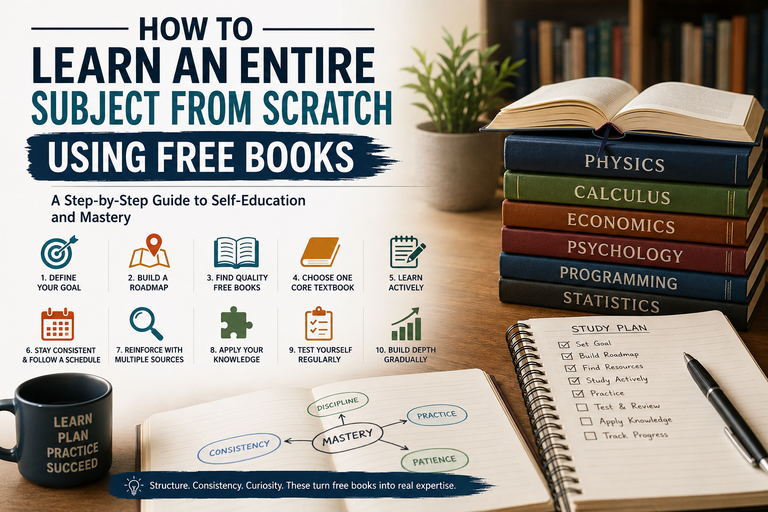
Start with a learning path
Choose one topic and gather an introductory textbook, a reference work, and a few advanced readings.

Use multiple sources
Combine textbooks with research articles and practical guides.

Study bibliographies
References often reveal the most important works in a field.

Take structured notes
Recording definitions, arguments, and questions improves retention.

Verify publication dates
In fields such as technology or medicine, newer editions are essential.

Balance exploration with completion
Avoid collecting too many resources without finishing them.


The Future of Free Online Libraries

Free online libraries will likely become even more important as education continues to evolve.

Several trends are shaping their future:

  • expansion of open access research publishing

  • growth of open educational resources in schools and universities

  • advances in AI-powered search and translation tools

  • increasing investment in cultural digitization projects

  • rising demand for lifelong learning and career reskilling

The most effective future libraries will focus on trust, accessibility, usability, and global inclusion.


Conclusion

Free online libraries have become a cornerstone of independent learning in the digital age. They provide affordable access to high-quality educational resources, help learners navigate complex subjects through organized collections, and offer credible alternatives to unreliable online information.

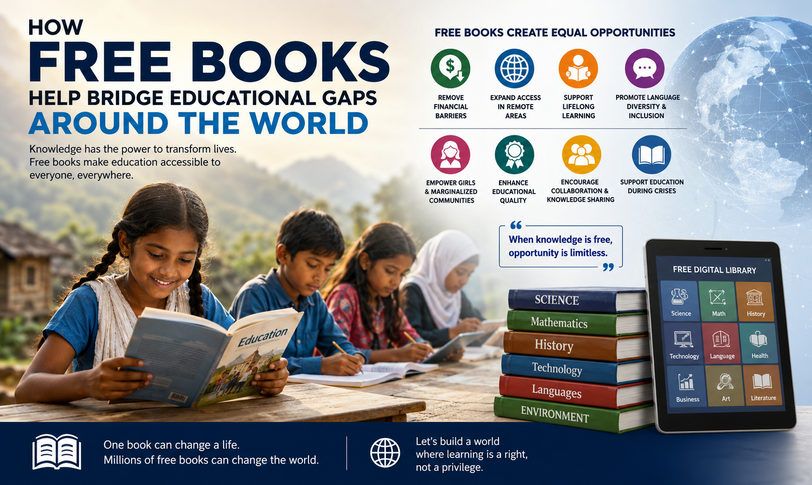
Beyond individual learning, they also promote educational equity by making knowledge accessible to anyone with curiosity and internet access.

For independent learners, the library is no longer limited to a physical building. It has evolved into a global digital infrastructure for self-education, empowering people everywhere to explore ideas, develop skills, and pursue knowledge on their own terms.

Search