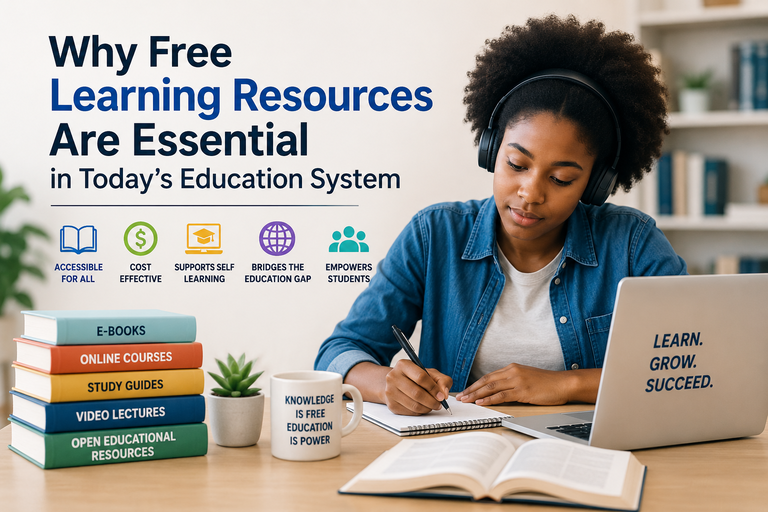
Why Free Learning Resources Are Essential in Today’s Education System
Education is undergoing one of the most significant transformations in human history. Technology, globalization, rising education costs, and rapid workforce changes have completely reshaped how people learn, teach, and access information.
In this evolving environment, free learning resources have become more than convenient alternatives—they are now essential components of modern education systems.
From open textbooks and online courses to digital libraries and educational videos, free educational resources are expanding opportunities for millions of learners worldwide. They are helping students overcome financial barriers, supporting teachers with flexible teaching materials, and enabling lifelong learning in a rapidly changing economy.
This comprehensive guide explores why free learning resources are critical in today’s education system and how they are shaping the future of global learning.
The Evolution of Modern Education
Education today looks very different from traditional classroom systems of the past.
Several global developments have accelerated educational change:
- Rising tuition and textbook costs
- Expansion of online learning
- Increased internet access
- Demand for digital skills
- Growth of remote and hybrid education
- Rapid technological innovation
- Increased need for career flexibility
- Global access to information
Traditional educational systems alone can no longer meet the needs of modern learners. Students now require flexible, affordable, and accessible learning options that fit changing lifestyles and economic realities.
Free learning resources help fill this gap.
Understanding Free Learning Resources
Free learning resources refer to educational materials that are available at little or no cost to learners.
These resources may include:
- Open Educational Resources (OER)
- Free digital textbooks
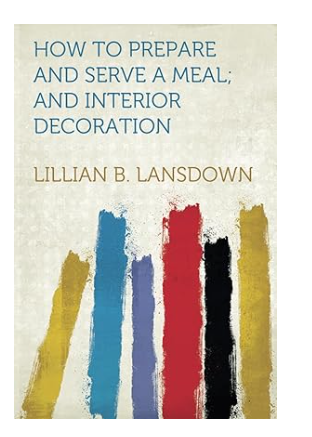
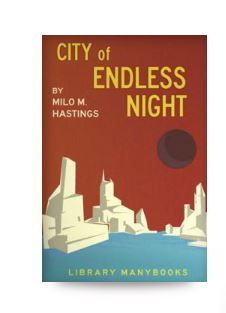
- Public domain books
- Online academic journals
- Educational videos
- Podcasts and lectures
- Free online courses
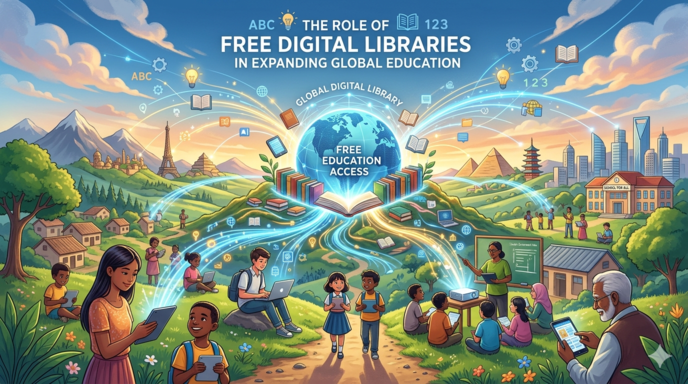
- Digital libraries
- Interactive learning platforms
- Educational apps
Many of these materials are accessible from smartphones, tablets, or laptops, making learning more flexible and inclusive.
1. Expanding Access to Education
Breaking Financial Barriers
One of the biggest obstacles to education worldwide is cost.
Students often struggle with expenses such as:
- Tuition fees
- Textbooks
- Learning subscriptions
- Transportation
- Academic software
- Study materials
Free learning resources significantly reduce these financial pressures.
Students can now access:
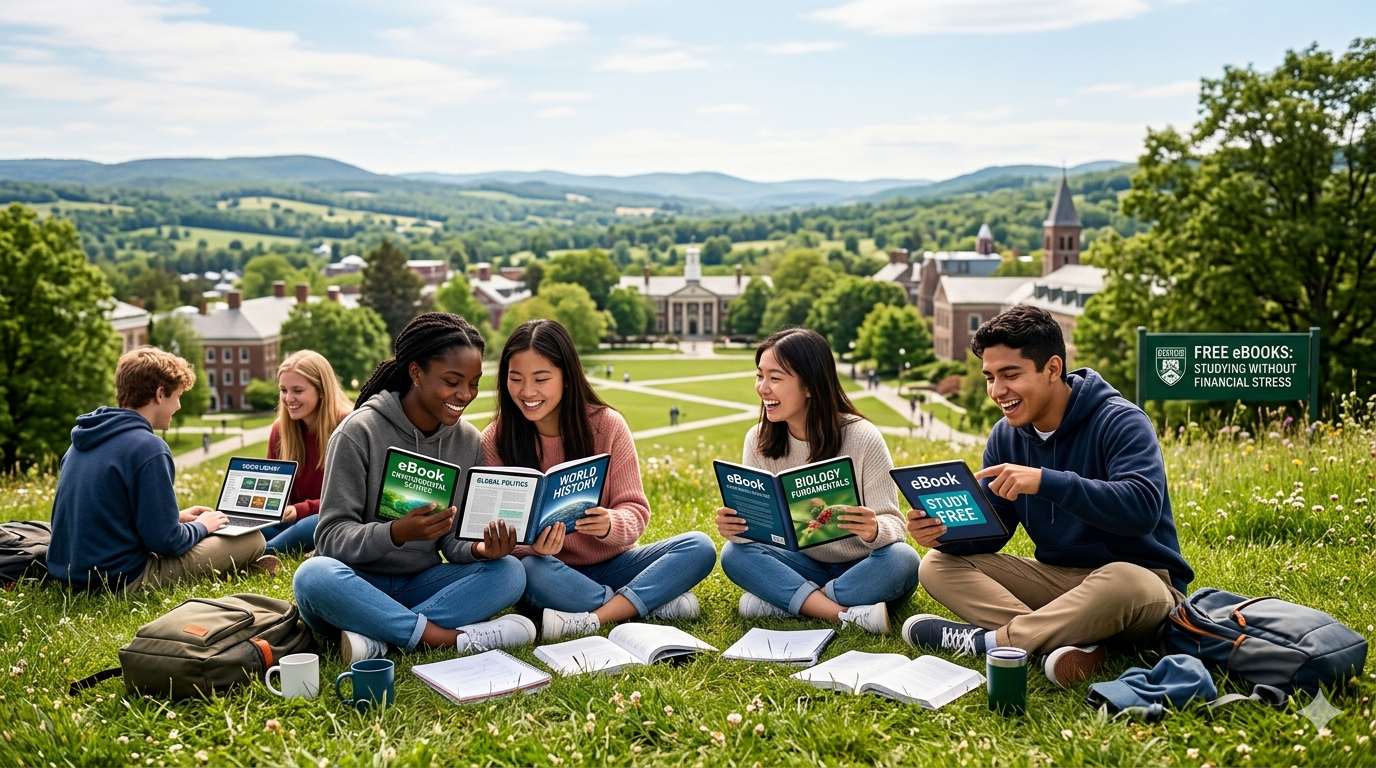
- Free university textbooks
- Open-access research papers
- Video lectures
- Educational tutorials
- Practice exercises
without paying hundreds or thousands of dollars.
This creates educational opportunities for learners who may otherwise be excluded.
Supporting Low-Income Students
Many talented students come from financially disadvantaged backgrounds. Free resources help ensure that economic hardship does not prevent academic growth.
Students can learn using:
- Smartphones
- Shared devices
- Public internet centers
- Community libraries
This accessibility helps create a more inclusive educational system.
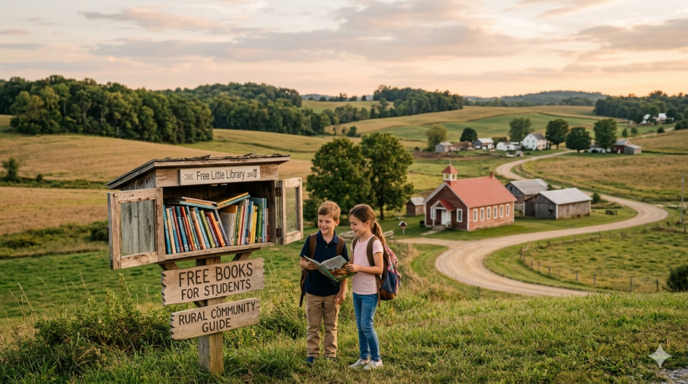
Reaching Rural and Remote Communities
In many rural areas, students face challenges such as:
- Limited libraries
- Few bookstores
- Weak school infrastructure
- Long travel distances
Digital free learning resources allow learners in remote regions to access the same information available in major cities and universities.
Education becomes less dependent on geography.
2. Promoting Educational Equity
Educational inequality remains a major global issue.
Students from wealthier schools often have access to:
- Better textbooks
- More academic tools
- Private tutoring
- Updated learning materials
Meanwhile, underfunded schools may lack basic resources.
Free learning materials help level the educational playing field by giving all students access to quality content regardless of income level or location.
This promotes:
- Fairer learning opportunities
- Academic inclusiveness
- Greater social mobility
- Reduced educational disparities
Equal access to knowledge is essential for building equitable societies.
3. Supporting Lifelong Learning
Education no longer ends after graduation.
Modern careers evolve rapidly due to:
- Automation
- Artificial intelligence
- Digital transformation
- Global competition
- Industry innovation
Professionals must continually update their skills to remain competitive.
Free learning resources make continuous education possible without requiring expensive formal programs.
People can now learn:
- Programming
- Data analysis
- Artificial intelligence
- Digital marketing
- Graphic design
- Financial management
- Entrepreneurship
from free online platforms and open educational resources.
Lifelong learning has become essential for career growth and economic stability.
4. Encouraging Self-Directed Learning
Free educational materials encourage students to become independent learners.
Instead of relying solely on classroom instruction, learners can:
- Explore personal interests
- Study at their own pace
- Revisit difficult concepts
- Access multiple explanations
- Learn beyond the curriculum
Self-directed learning strengthens important skills such as:
- Critical thinking
- Problem-solving
- Research ability
- Time management
- Personal responsibility
These skills are valuable both academically and professionally.
5. Reducing Student Debt and Financial Stress
Student debt has become a major concern in many countries.
While tuition is a large factor, textbook and learning material costs also contribute significantly to educational expenses.
Traditional textbooks can cost hundreds of dollars each semester.
Free learning resources help reduce:
- Textbook expenses
- Subscription fees
- Printing costs
- Borrowing needs
Lower educational costs reduce financial stress and allow students to focus more effectively on learning.
6. Enhancing Digital Literacy
Digital literacy is now a foundational skill in modern society.
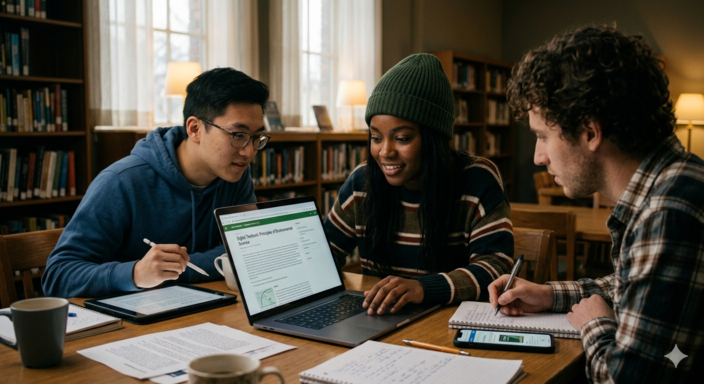
Using free online learning resources helps students develop practical digital abilities, including:
- Searching for credible information
- Evaluating online sources
- Navigating learning platforms
- Using collaborative tools
- Managing digital documents
- Participating in virtual learning environments
These skills are essential for:
- Academic success
- Workplace productivity
- Online communication
- Remote collaboration
Students who regularly use digital educational tools become better prepared for modern careers.
7. Supporting Remote and Hybrid Learning
Remote and hybrid learning models have become increasingly common.
Educational institutions now rely heavily on digital materials for:
- Virtual classrooms
- Online assignments
- Remote lectures
- Distance education programs
Free learning resources support this transition by providing:
- Instant access to materials
- Mobile learning options
- Offline downloads
- Flexible study schedules
Students can continue learning regardless of physical location.
This flexibility is especially important during emergencies, economic disruptions, or public health crises.
8. Helping Educators Improve Teaching
Free learning resources also benefit teachers and institutions.
Flexible Curriculum Design
Open Educational Resources allow educators to:
- Customize textbooks
- Update outdated content
- Add local examples
- Remove unnecessary sections
- Adapt materials for different learning levels
This flexibility improves teaching quality and relevance.
Faster Content Updates
Traditional textbooks can become outdated quickly, especially in fast-changing fields like:
- Technology
- Computer science
- Artificial intelligence
- Business
- Healthcare
Open educational materials can be updated more frequently to reflect current developments.
Reduced Institutional Costs
Schools and universities can reduce spending on expensive textbook licensing and educational software.
Savings can be redirected toward:
- Infrastructure
- Teacher training
- Technology upgrades
- Student support services
9. Encouraging Global Collaboration
Free access to educational resources promotes worldwide knowledge sharing.
Researchers, educators, and students can collaborate across borders through:
- Open-access journals
- Digital libraries
- Shared research databases
- Online academic communities
This collaboration accelerates:
- Scientific discovery
- Educational innovation
- Problem-solving
- Global academic participation
Knowledge becomes a shared global resource rather than a restricted commodity.
10. Supporting Innovation in Learning
Modern free educational platforms are becoming increasingly interactive and intelligent.
Today’s learning resources may include:
- Interactive simulations
- Embedded videos
- Adaptive quizzes
- AI-powered tutoring systems
- Gamified learning experiences
- Real-time feedback tools
These innovations improve:
- Student engagement
- Learning retention
- Accessibility
- Personalized education
Technology is making learning more dynamic and effective.
The Role of Open Educational Resources (OER)
Open Educational Resources have become one of the most important developments in modern education.
OER materials are typically:
- Free to access
- Openly licensed
- Easy to share
- Adaptable for different educational contexts
Examples include:
- Open textbooks
- Lecture notes
- Educational videos
- Practice exercises
- Interactive modules
OER reduces dependence on expensive commercial textbooks and expands access to high-quality education globally.
Challenges Facing Free Learning Resources
Despite their benefits, free educational resources still face important challenges.
1. The Digital Divide
Not all students have equal access to:
- Reliable internet
- Smartphones or laptops
- Electricity
- Digital infrastructure
This digital divide remains a major obstacle in many regions.
Governments and institutions must continue investing in infrastructure development.
2. Quality Control Issues
Not every free resource is accurate or trustworthy.
Students must learn how to:
- Evaluate source credibility
- Check author expertise
- Identify misinformation
- Use reputable platforms
Teachers and institutions play a critical role in guiding learners toward reliable materials.
3. Sustainability and Funding
Creating and maintaining high-quality educational resources requires:
- Financial investment
- Technical support
- Academic collaboration
- Continuous updates
Governments, nonprofits, universities, and private organizations must continue supporting open education initiatives.
The Economic Impact of Free Learning Resources
Accessible education contributes directly to economic development.
Benefits include:
- A more skilled workforce
- Increased innovation
- Reduced unemployment
- Higher productivity
- Greater entrepreneurship
- Expanded economic participation
When knowledge becomes accessible, talent can emerge from every social and economic background.
Free education resources help countries build stronger human capital.
Examples of Trusted Free Learning Platforms
Several organizations have become global leaders in free education access.
✅ OpenStax
OpenStax provides peer-reviewed textbooks for college and secondary education.
✅ Open Textbook Library
Open Textbook Library offers free faculty-reviewed textbooks across numerous disciplines.
✅ Project Gutenberg
Project Gutenberg hosts thousands of public domain books.
✅ Internet Archive
Internet Archive provides access to millions of books, educational materials, and historical archives.
✅ Directory of Open Access Books (DOAB)
Directory of Open Access Books offers academic and scholarly publications.
✅ Libby and Hoopla
Libby and Hoopla allow users to borrow digital books through participating libraries.
The Future of Free Learning Resources
The future of education is likely to become even more open and accessible.
Emerging trends include:
- AI-powered personalized learning
- Offline-first educational apps
- Increased government support for OER
- Global university partnerships
- More mobile-friendly learning systems
- Virtual and augmented reality education tools
As technology improves, access to free learning resources will continue expanding worldwide.
Why Free Learning Resources Are Essential Today
Free learning resources are no longer optional additions to education systems.
They are essential because they:
- Reduce educational costs
- Promote equality and inclusion
- Support lifelong learning
- Improve digital literacy
- Enable flexible education models
- Encourage innovation
- Strengthen global knowledge sharing
- Prepare students for modern careers
Modern education depends increasingly on open access to information.
Final Thoughts
Education remains one of the most powerful tools for personal growth, economic opportunity, and social progress.
However, traditional educational systems alone cannot fully meet the demands of a rapidly changing and globally connected world.
Free learning resources help ensure that education is not restricted by:
- Income
- Geography
- Social background
- Institutional limitations
They empower students, support educators, strengthen economies, and expand global opportunities for learning.
In 2026 and beyond, open access to educational materials will continue to shape the future of education.
Free learning resources are not simply useful tools they are a foundational pillar of a modern, inclusive, and effective education system.