
How to Build a Strong Reading Habit Using Free eBooks
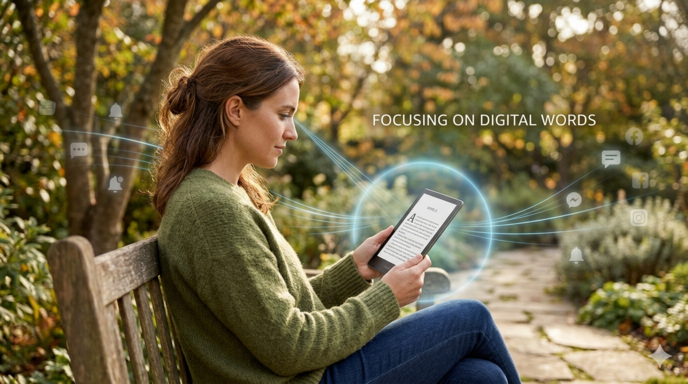
In today’s fast-moving digital world, attention has become one of the most valuable resources. Social media feeds refresh endlessly, short videos compete for every spare minute, and constant notifications make deep focus increasingly difficult. Yet despite these distractions, reading remains one of the most effective ways to learn, think clearly, reduce stress, and improve personal growth.
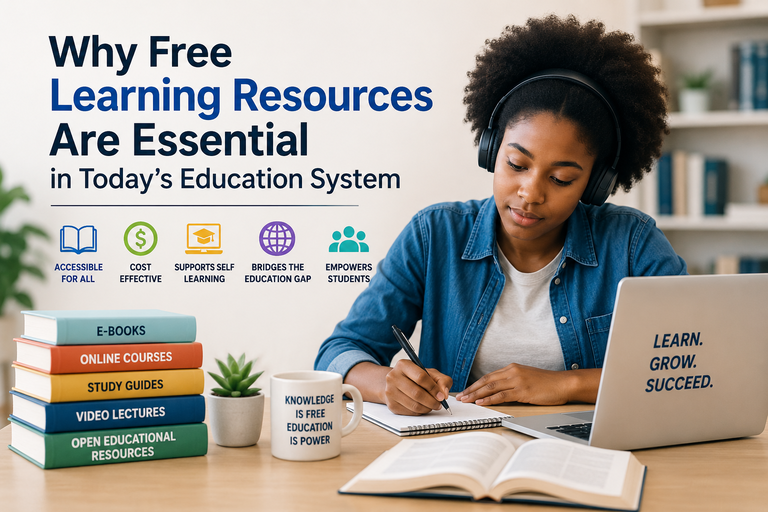
The best part? Building a reading habit no longer requires spending large amounts of money on physical books. Thanks to free eBooks, anyone with a smartphone, tablet, or computer can access thousands of books instantly.
Whether you want to read more for education, self-improvement, entertainment, or mental wellness, this guide will show you exactly how to build a sustainable reading habit using free eBooks.
Why Reading Still Matters in the Digital Age
Reading is more than a hobby. It’s a mental exercise that strengthens focus, creativity, and critical thinking.
People who read regularly often experience:
- Better concentration and attention span
- Improved memory retention
- Stronger communication skills
- Expanded vocabulary
- Greater emotional intelligence
- Reduced stress and anxiety
- Increased creativity and imagination
- Better problem-solving ability
Unlike fast-scrolling content, reading requires sustained attention. It trains your brain to slow down, process ideas deeply, and think critically.
In an age dominated by distractions, this ability is becoming increasingly rare and valuable.
Why Free eBooks Make Reading Easier Than Ever
One major barrier to reading has always been cost and accessibility. Traditional books can be expensive, especially for students or frequent readers.
Free eBooks remove that barrier completely.
With free digital books, you can:
- Read instantly without visiting a store
- Carry hundreds of books on one device
- Explore different genres risk-free
- Read anywhere at any time
- Access classics and educational materials for free
- Build a personal digital library without spending money
This accessibility makes it easier to turn reading into a daily habit.
Step 1: Define Your Reading Purpose
A strong reading habit begins with clarity.
If you don’t know why you want to read, your motivation will disappear quickly.
Ask yourself:
- Do I want to learn new skills?
- Am I reading for entertainment?
- Do I want to improve my focus?
- Am I trying to reduce social media use?
- Do I want to read more educational content?
- Am I reading to relax and reduce stress?
Your answers shape your reading journey.
For example:
- Someone reading for career growth may choose business or self-development books.
- Someone reading for relaxation may prefer fiction or poetry.
- Someone trying to improve focus may start with short nonfiction books.
Write down a simple, realistic reading goal such as:
- “I will read 10 minutes every night.â€
- “I will finish one book this month.â€
- “I will replace social media scrolling with reading.â€
Specific goals create direction and consistency.
Step 2: Find Reliable Sources for Free eBooks
The internet contains millions of books—but not all sources are safe or legal.
Fortunately, several trusted platforms provide high-quality free eBooks legally.
Popular Free eBook Platforms
Project Gutenberg
One of the oldest and most respected free eBook libraries. It offers thousands of public-domain classics.
Popular books include:
- Pride and Prejudice
- Jane Eyre
- Moby-Dick
- The Art of War
Open Library
A massive digital library that allows users to borrow books online.
Google Books
Provides previews, public-domain titles, and free educational resources.
ManyBooks
Offers free classics and independent books across multiple genres.
Libby
Lets users borrow eBooks from local libraries using a library card.
Hoopla
Provides free access to books, audiobooks, comics, and more through participating libraries.
Step 3: Choose Books You Actually Enjoy
One of the biggest mistakes beginners make is forcing themselves to read books they think they should read.
That approach often kills motivation.
Reading should feel engaging, not like punishment.
If you enjoy:
- Romance → read romance
- Sci-fi → read science fiction
- Business → read business
- Self-help → read personal development
- Fantasy → read fantasy
- History → read history
There is no “correct†genre.
The best reading habit is the one you can maintain consistently.
Free eBooks give you freedom to experiment without financial risk. If you dislike a book, you can simply move on to another.
Step 4: Start Small and Build Momentum
Many people fail because they start too aggressively.
They aim to:
- Read 100 pages daily
- Finish multiple books weekly
- Read for hours every day
This creates pressure and burnout.
Instead, start extremely small.
Try:
- 5 minutes daily
- 10 pages daily
- One chapter daily
Small habits are easier to maintain.
Reading for just 10 minutes daily can lead to:
- 70 minutes weekly
- Over 60 hours yearly
- Multiple completed books annually
Consistency matters more than intensity.
Step 5: Create a Reading Schedule
Habits become stronger when attached to existing routines.
This strategy is called habit stacking.
Examples include:
- Read after brushing your teeth
- Read during lunch breaks
- Read before sleeping
- Read during commuting
- Read immediately after waking up
A consistent trigger helps your brain automate the behavior.
The best reading time is not the “perfect†time it’s the time you can realistically maintain long term.
Step 6: Remove Reading Friction
The easier reading becomes, the more likely you are to continue.
Reduce obstacles by:
- Keeping your eBook app on your home screen
- Downloading books ahead of time
- Using bookmarks and highlights
- Turning off notifications while reading
- Keeping your current book easily accessible
Every extra step creates resistance.
Convenience strengthens habits.
Step 7: Build a Reading-Friendly Environment
Your environment strongly influences your behavior.
To improve focus while reading:
- Sit in a quiet location
- Use comfortable lighting
- Keep water or tea nearby
- Reduce background noise
- Put your phone on “Do Not Disturbâ€
If you read on your phone, airplane mode can dramatically improve concentration.
A calm environment makes reading more enjoyable and sustainable.
Step 8: Track Your Progress
Tracking creates motivation because progress becomes visible.
You can track reading by:
- Keeping a reading journal
- Using a checklist
- Tracking daily reading streaks
- Writing short book summaries
- Recording favorite quotes
- Using reading apps
Platforms like Goodreads allow readers to set goals, review books, and monitor progress.
Even simple tracking helps reinforce consistency.
Step 9: Replace Scrolling With Reading
Most people already have time to read they simply spend it elsewhere.
Consider how much time is spent daily on:
- Social media
- Short videos
- Random browsing
- Endless notifications
Replacing just 15–20 minutes of scrolling with reading can transform your knowledge and focus over time.
Instead of opening social media automatically, try opening your reading app first.
Small behavioral swaps create major long-term results.
Step 10: Experiment With Different Reading Styles
Not everyone enjoys reading the same way.
Explore different approaches:
Traditional Reading
Reading silently from your device.
Audiobooks
Helpful for commuting, exercising, or multitasking.
Read-and-Listen Method
Reading text while listening to audio simultaneously can improve comprehension and focus.
Speed Reading
Useful for informational books, though not always ideal for deep understanding.
Experiment until you discover what works best for you.
Step 11: Join Reading Communities
Reading becomes more enjoyable when shared with others.
Communities provide:
- Motivation
- Accountability
- Recommendations
- Discussion
- Social connection
You can:
- Join online book clubs
- Participate in reading challenges
- Discuss books on forums
- Share quotes and insights online
Book communities help transform reading from a solo activity into a lifestyle.
Step 12: Don’t Fear Quitting a Book
Many readers force themselves to finish books they dislike.
This often creates frustration and slows momentum.
Not every book deserves completion.
If a book:
- Feels boring
- Doesn’t match your interests
- Fails to hold your attention
…it’s okay to stop and choose another.
Reading should remain enjoyable enough to sustain the habit.
Common Reading Challenges (And How to Overcome Them)
“I Get Distracted Easilyâ€
Solutions:
- Use airplane mode
- Read in quiet spaces
- Read shorter chapters
- Try audiobooks
- Start with shorter books
Focus improves gradually through practice.
“I Don’t Have Timeâ€
Most people don’t lack time they lack intentional time use.
Try:
- Reading during commuting
- Reading before bed
- Replacing scrolling with reading
- Reading during breaks
Even 10 minutes daily matters.
“I Start Books but Never Finish Themâ€
Try:
- Reading shorter books first
- Choosing more engaging genres
- Setting milestone goals
- Reading at consistent times
- Avoiding overly difficult books initially
Momentum builds confidence.
The Psychology Behind Reading Habits
Habits form through repetition and reward.
To strengthen your reading habit:
Make It Easy
Keep books accessible.
Make It Enjoyable
Choose books you genuinely like.
Make It Consistent
Read at similar times daily.
Make Progress Visible
Track streaks and completed books.
Over time, reading becomes automatic rather than forced.
The Long-Term Benefits of Building a Reading Habit
A strong reading habit can transform nearly every area of life.
Long-term readers often develop:
- Better communication skills
- Greater confidence
- Improved analytical thinking
- Stronger emotional intelligence
- Broader knowledge
- Higher creativity
- Better focus and discipline
Reading also supports lifelong learning an essential advantage in a rapidly changing world.
A Simple 30-Day Reading Challenge
Week 1
- Read 10 minutes daily
- Choose one easy, enjoyable book
Week 2
- Increase to 15 minutes
- Highlight important ideas
Week 3
- Try a new genre
- Read during idle moments
Week 4
- Read 20 minutes daily
- Reflect on lessons learned
By the end of the month, reading will begin to feel natural.
Best Types of Free eBooks for Beginners
If you’re new to reading regularly, start with engaging and accessible books.
Good beginner categories include:
- Short fiction
- Personal development
- Mystery novels
- Inspirational books
- Biographies
- Productivity books
- Adventure stories
Avoid starting with extremely difficult or lengthy books unless you’re highly motivated.
Early success builds confidence.
How Parents Can Encourage Reading Habits in Children
Free eBooks are also excellent tools for families.
Parents can:
- Read together with children
- Create family reading time
- Let children choose books freely
- Use illustrated digital books
- Reward consistent reading
Early reading habits often last a lifetime.
Final Thoughts
Building a strong reading habit does not require expensive bookshelves, premium devices, or hours of free time.
It requires:
- Clear intention
- Small daily actions
- Consistency
- Easy access to books
Free eBooks remove the financial barriers that once limited readers. Today, knowledge is more accessible than ever before.
Start small.
Read what excites you.
Stay consistent even when motivation fades.
A few pages each day may not seem life-changing in the moment but over months and years, those pages can transform your mindset, skills, focus, and future.
Open a free eBook today and begin building the reading habit that could benefit you for the rest of your life.