Why Students Prefer Free Digital Books Over Printed Books
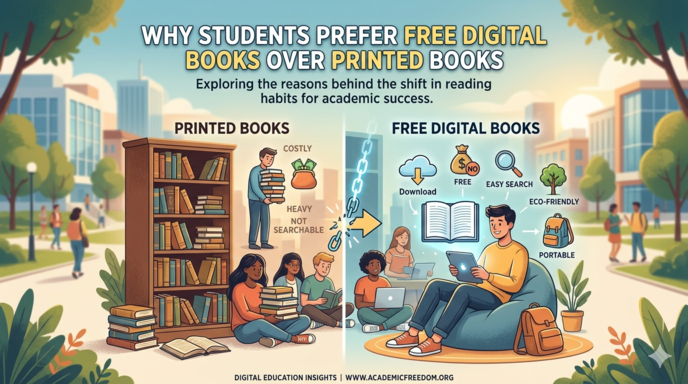
In today’s rapidly evolving educational landscape, students are increasingly shifting from traditional printed textbooks to free digital books, often referred to as e-books. This transition is not simply a matter of technological trend; it reflects deeper changes in how students learn, manage finances, and access educational resources. With the rise of the internet, digital devices, and online learning platforms, free digital books have become an essential part of modern education.
While printed books have long been valued for their reliability and physical presence, digital books offer advantages that align more closely with the needs of today’s learners. From affordability and portability to accessibility and environmental sustainability, the benefits of free digital books are reshaping students’ reading preferences around the world.
Cost-Effectiveness: Reducing the Financial Burden on Students
One of the primary reasons students prefer free digital books is the significant cost savings they provide. Traditional printed textbooks are often expensive, particularly in higher education where specialized academic books can cost hundreds of dollars each semester. For students already struggling to pay tuition fees, accommodation costs, transportation, and daily living expenses, purchasing printed textbooks can become an overwhelming financial burden.
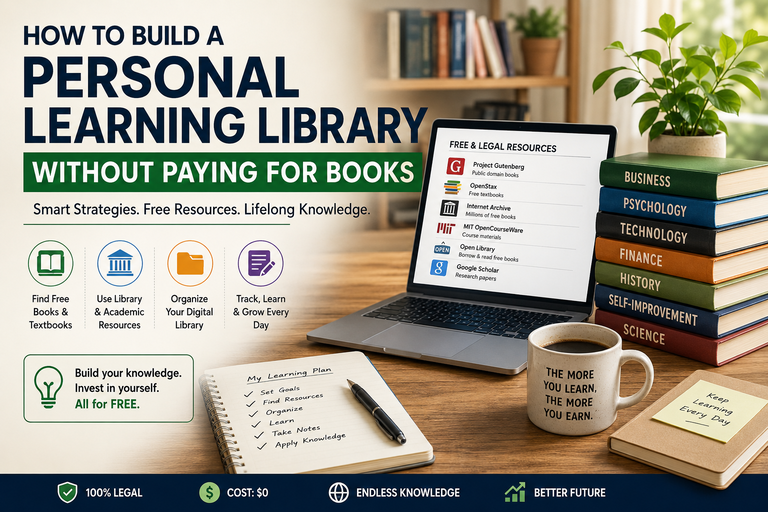
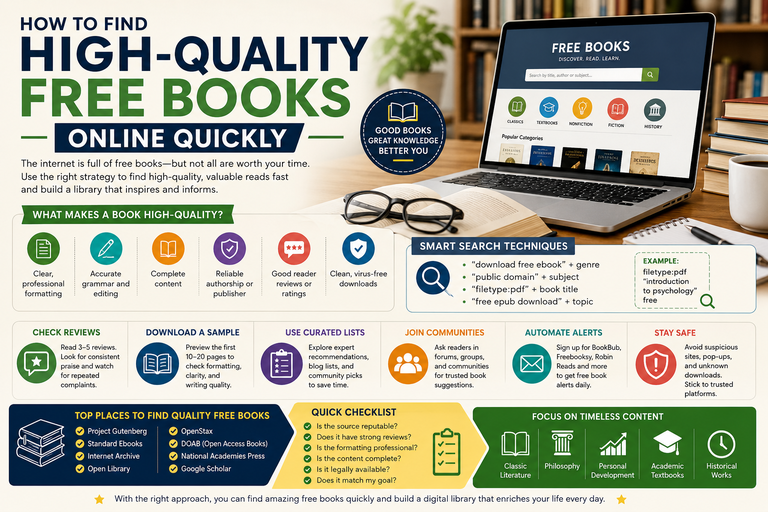
Free digital books help eliminate this problem. Students can access learning materials at no cost through a variety of platforms, including:
- Open Educational Resources (OER) websites
- University digital libraries
- Public domain repositories
- Online academic databases
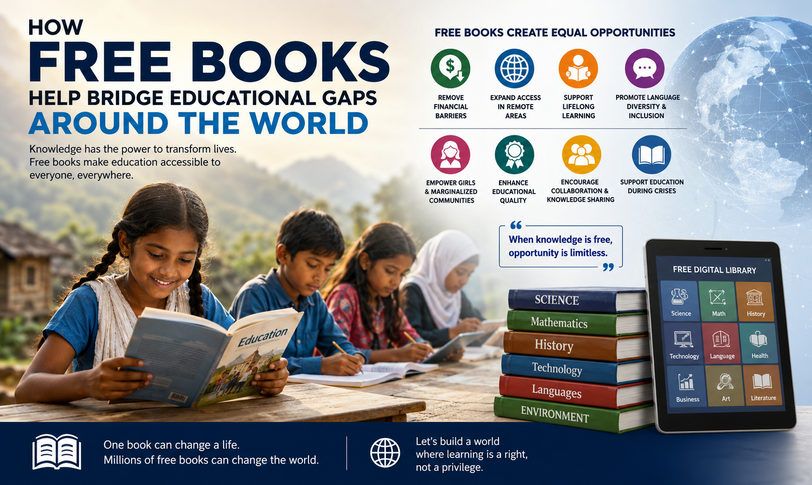
These free resources make education more affordable and equitable. Instead of spending large amounts on printed books, students can allocate their money to other academic or personal necessities. This financial relief is particularly important for students from low-income backgrounds, allowing them to participate more fully in their education.
Easy Accessibility: Learning Anytime, Anywhere
Another major advantage of digital books is their accessibility. Unlike printed textbooks, which must be physically purchased or borrowed, digital books are often available instantly with just a few clicks. As long as students have access to the internet and a digital device such as a smartphone, tablet, or laptop, they can access their study materials from virtually anywhere.
This means students can read and study:
- At home
- In a library
- On public transportation
- In cafés
- While traveling
The ability to access books anytime and anywhere is especially beneficial during exam periods or last-minute study sessions. Students no longer need to rush to bookstores or wait for book deliveries. Instead, the information they need is immediately available, helping them manage their study schedules more effectively.
Portability and Convenience: Carrying an Entire Library in One Device
Printed textbooks are often heavy and inconvenient to carry, especially for students attending multiple classes each day. Backpacks filled with large textbooks can cause discomfort and physical strain. Free digital books solve this issue by allowing students to store hundreds, or even thousands, of books on a single device.
This portability offers several benefits:
- It reduces the weight students carry daily
- It simplifies commuting between classes
- It keeps all academic materials in one place
For students who travel frequently or move between campus buildings, digital books provide unmatched convenience. Instead of carrying several printed volumes, students can bring all their study resources on one lightweight device.
Advanced Search and Study Features: Improving Learning Efficiency
One of the most powerful benefits of digital books is the range of tools they provide to improve the learning experience. Unlike printed books, digital books often include interactive features that help students study more efficiently.
These features include:
- Instant keyword search
- Highlighting text
- Adding notes and bookmarks
- Copying and pasting quotations
- Adjustable font sizes
- Screen brightness settings
For example, when students need to find a specific concept in a printed book, they may spend several minutes flipping through pages. In a digital book, they can locate the same information in seconds using the search function. This saves valuable time during assignments, research, and exam preparation.
These built-in study tools enhance organization and improve comprehension, making digital books a practical choice for students with demanding academic workloads.
Environmental Benefits: Supporting Sustainable Education
Environmental awareness is another reason many students prefer digital books. Producing printed books requires paper, ink, transportation, and physical storage, all of which contribute to environmental degradation. The paper industry depends heavily on trees, and large-scale printing contributes to carbon emissions.
Free digital books help reduce these impacts by:
- Lowering paper consumption
- Reducing the need for printing
- Minimizing transportation emissions
- Decreasing waste from outdated books
By choosing digital materials, students feel they are making an environmentally responsible decision. This aligns with the growing global emphasis on sustainability and conservation.
Instant Updates and Current Information
In many academic fields, information changes rapidly. Subjects such as medicine, science, engineering, and technology require up-to-date learning materials. Printed textbooks can become outdated quickly, and purchasing new editions every few years can be costly.
Digital books offer a solution by allowing publishers and educators to:
- Revise content easily
- Update editions instantly
- Distribute new versions without reprinting
This ensures students have access to the latest academic information without having to buy new physical books. Up-to-date resources are crucial for maintaining academic accuracy and preparing students for modern professional environments.
Integration with Online Learning Platforms
The growth of online education has increased the demand for digital learning resources. Many schools and universities now use Learning Management Systems (LMS) such as Moodle, Blackboard, or Google Classroom to share materials with students. Digital books fit seamlessly into these systems.
They can be integrated with:
- Online quizzes
- Hyperlinks to additional readings
- Multimedia resources such as videos
- Interactive diagrams and graphics
This integration creates a richer and more engaging learning experience. Instead of relying only on static text, students can interact with various forms of educational content, improving understanding and retention.
Space-Saving and Better Organization
Printed books require physical storage, which can become inconvenient over time. Shelves fill up, books become cluttered, and transporting them can be difficult. Digital books eliminate the need for physical space because they are stored electronically.
Students can:
- Organize books by course or subject
- Store files in cloud services
- Access materials across multiple devices
- Back up files to prevent loss
This level of organization makes academic life easier. Instead of searching through piles of books, students can quickly locate digital files in organized folders.
Greater Accessibility for Students with Disabilities
Digital books also improve accessibility for students with disabilities. Traditional printed books can create barriers for learners with visual impairments or reading difficulties. Digital books often include features that make learning more inclusive.
These include:
- Text-to-speech functions
- Adjustable text size
- High-contrast displays
- Screen reader compatibility
- Translation tools
These tools allow a wider range of students to engage with educational materials effectively. As educational institutions work toward inclusive learning environments, digital books play a vital role in supporting accessibility.
Challenges of Digital Books
Despite their many benefits, digital books are not without disadvantages. Reading on screens for long periods can cause eye strain, headaches, and fatigue. Some students also report that they concentrate better when reading printed materials because physical books reduce distractions from notifications and other digital interruptions.
Additionally, access to digital books depends on:
- Reliable internet connections
- Suitable electronic devices
- Adequate digital literacy
Students in areas with limited internet access may struggle to benefit fully from digital learning resources. However, for many learners, these challenges are manageable compared to the numerous advantages digital books provide.
Conclusion
The growing preference for free digital books over printed books reflects the changing needs of modern students. Digital books offer affordability, accessibility, portability, and advanced study tools that support more efficient and flexible learning. They also promote sustainability, provide up-to-date information, integrate well with online education, and improve accessibility for students with disabilities.
Although printed books still offer certain advantages, such as reduced screen time and tactile engagement, free digital books better align with the fast-paced, technology-driven nature of contemporary education. As digital infrastructure continues to improve worldwide, digital books are likely to become even more central to the learning experience.
For today’s students, free digital books are not just an alternative to printed textbooks they are an essential resource that makes education more accessible, practical, and inclusive.