Free Books That Teach Real-Life Skills (Not Just School Subjects)
Education does not stop at school subjects. In fact, many of the most important abilities for daily life managing money, communicating clearly, making decisions, solving problems, and maintaining well-being are often learned outside the classroom.
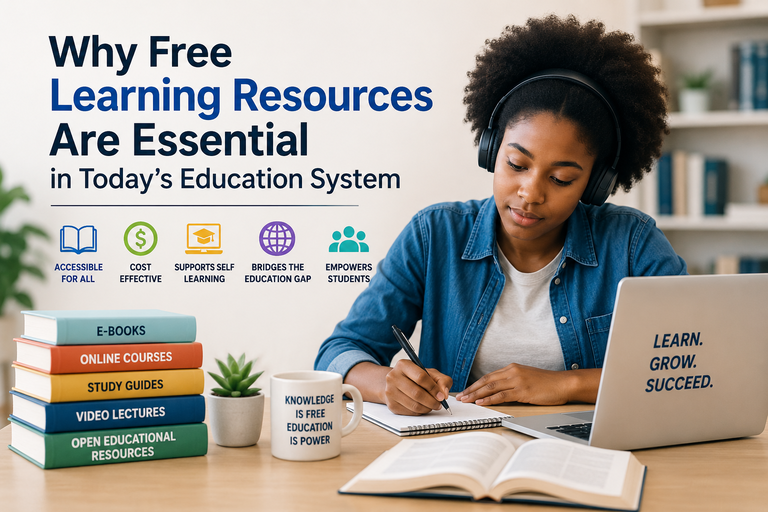
While traditional education focuses on academic subjects, real-life success depends heavily on practical skills. The good news is that you don’t need expensive courses or paid programs to learn them. Many high-quality books that teach real-life skills are available for free through digital libraries, public institutions, and open educational platforms.
This guide explores the most valuable categories of real-life skills, where to find free books that teach them, and how to build your own practical “life education†library.
Why Real-Life Skills Matter
A person can excel academically and still struggle with everyday responsibilities. That’s because many essential skills are rarely taught directly, such as:
- Managing personal finances
- Communicating effectively
- Handling stress and emotions
- Cooking and maintaining a home
- Preparing for job opportunities
- Making informed decisions
- Understanding rights and responsibilities
These skills influence nearly every part of life career growth, relationships, financial stability, and personal independence.
Books that focus on real-life skills help bridge this gap. They don’t just provide information they offer tools, frameworks, and guidance you can apply immediately.
What Is a Real-Life Skills Book?
A real-life skills book focuses on practical knowledge rather than abstract theory. It teaches things you can use in everyday situations.
These books often cover:
- Personal finance
- Communication and relationships
- Career and job readiness
- Health and wellness
- Productivity and habits
- Critical thinking
- Digital literacy
- Household and life management
They may come in the form of self-help books, guides, manuals, handbooks, or structured tutorials.
Where to Find Free Books That Teach Real-Life Skills
Before exploring categories, it’s important to know where to access these resources.
1. Public Library Apps
Apps like Libby and Hoopla allow you to borrow modern nonfiction books for free.
2. Public-Domain Libraries
Platforms like Project Gutenberg offer classic books on self-discipline, communication, and personal development.
3. Digital Archives
Internet Archive and Open Library provide access to manuals, guides, and older practical books.
4. Government and Nonprofit Resources
Many governments and organizations publish free guides on finance, health, careers, and legal rights.
5. Open Educational Resources (OER)
Universities and educational platforms provide free materials on real-world skills like digital literacy and career readiness.
Categories of Free Books That Teach Real-Life Skills
1. Personal Finance
Money management is one of the most essential life skills.
What you can learn:
- Budgeting and saving
- Managing debt
- Understanding credit
- Basic investing
- Financial planning
Why it matters:
Financial stability reduces stress and creates more opportunities in life.
2. Communication Skills
Strong communication improves both personal and professional relationships.
Topics include:
- Clear speaking and writing
- Active listening
- Conflict resolution
- Negotiation
- Public speaking
Even older public-domain books on rhetoric and conversation can still be highly valuable.
3. Time Management and Productivity
Being productive is about managing energy and priorities not just staying busy.
Skills covered:
- Planning and organizing
- Avoiding procrastination
- Building routines
- Managing tasks effectively
These books help turn intentions into consistent action.
4. Emotional Intelligence and Mental Resilience
Understanding emotions is key to handling stress and relationships.
Topics include:
- Self-awareness
- Emotional control
- Stress management
- Confidence and boundaries
These resources support personal growth and better decision-making.
5. Job Skills and Career Readiness
Many people struggle with employment not because of lack of ability, but lack of guidance.
What you can learn:
- Resume writing
- Interview preparation
- Workplace communication
- Career planning
- Freelancing basics
These books can significantly improve employability.
6. Health and Everyday Wellness
Health literacy helps you make better daily decisions.
Topics include:
- Nutrition
- Sleep
- Exercise
- Preventive care
- Understanding health information
Reliable, up-to-date sources are especially important here.
7. Cooking and Home Skills
Basic household skills build independence and reduce living costs.
Skills include:
- Cooking simple meals
- Meal planning
- Cleaning and organization
- Laundry and home care
These practical abilities improve daily life immediately.
8. Critical Thinking and Decision-Making
In a world full of information, thinking clearly is essential.
What you learn:
- Identifying bias
- Evaluating information
- Avoiding scams
- Making better decisions
This skill improves every other area of life.
9. Digital Literacy
Modern life requires basic digital competence.
Topics include:
- Internet safety
- Recognizing scams
- Using online tools
- Protecting privacy
Digital skills are essential for work, education, and communication.
10. Relationships and Social Skills
Healthy relationships require more than good intentions.
Skills include:
- Empathy
- Communication
- Conflict resolution
- Social awareness
These books help improve both personal and professional interactions.
11. Civic and Legal Knowledge
Understanding systems helps you navigate adult life confidently.
Topics include:
- Rights and responsibilities
- Consumer protection
- Employment laws
- Civic participation
These resources are often available through government publications.
How to Build Your Own Free Life Skills Library
You don’t need hundreds of books. A small, focused collection is enough.
Start with:
- One personal finance guide
- One communication book
- One career resource
- One productivity guide
- One health or wellness book
- One home skills guide
- One digital literacy resource
This creates a strong foundation for everyday life.
How to Use These Books Effectively
Reading alone is not enough you need to apply what you learn.
Best approach:
- Take notes while reading
- Focus on actionable ideas
- Apply one concept at a time
- Revisit useful sections
- Treat books as tools, not just information
For example:
- After reading about budgeting, create a simple budget
- After reading about communication, practice active listening
- After reading about careers, update your resume
Action turns knowledge into skill.
Why Free Access Matters
Free access to life-skill books is important because it supports:
- Students
- Job seekers
- Low-income individuals
- Lifelong learners
- People rebuilding their lives
When knowledge is accessible, more people can improve their circumstances without financial barriers.
Limitations of Free Books
While valuable, free books have some limits:
- Some content may be outdated
- Quality can vary
- Not all skills can be learned through reading alone
- Some topics require professional guidance
Books work best when combined with real-world practice.
Conclusion
Free books that teach real-life skills are some of the most powerful educational tools available. They go beyond academic knowledge and focus on the practical abilities needed to navigate everyday life.
Through platforms like Libby, Project Gutenberg, and Internet Archive, anyone can access knowledge on money, communication, health, careers, and more without spending money.
The most valuable education is not always what helps you pass exams. It is what helps you live better, think clearly, and act with confidence.
And with the right free books, that kind of education is available to everyone