How to Turn Reading Into a Daily Habit Without Spending Money
Reading is one of the most rewarding habits anyone can build. It sharpens the mind, strengthens focus, improves communication skills, and opens the door to endless knowledge. Yet many people assume that becoming a regular reader requires buying expensive books, paying for subscriptions, or investing in premium learning platforms.
The reality is very different.
You do not need money to build a strong reading habit. With free resources, intentional planning, and a few practical strategies, anyone can make reading a natural part of everyday life without spending a single cent.
Whether your goal is personal development, academic improvement, or simply enjoying books more often, this guide will show you how to build a sustainable reading habit for free.
Why Developing a Daily Reading Habit Is Important
Before learning how to create the habit, it helps to understand why daily reading matters.
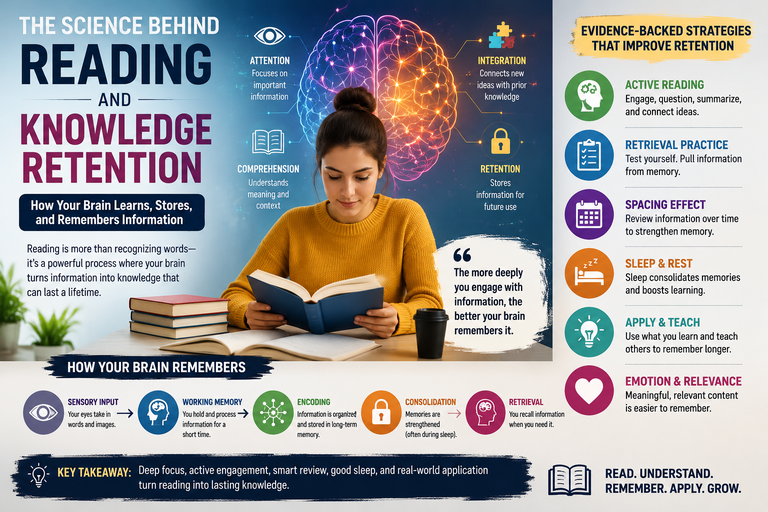
Reading every day provides benefits that extend far beyond gaining information. It improves concentration, stimulates imagination, strengthens memory, and builds vocabulary. It also helps reduce stress by giving your mind a productive escape from distractions.
Some of the major benefits of daily reading include:
- Improved focus and mental discipline
- Reduced stress and improved mental wellness
- Better vocabulary and communication skills
- Increased creativity and imagination
- Enhanced academic and professional performance
- Continuous personal growth and learning
When reading becomes part of your routine, it gradually shapes the way you think, learn, and communicate.
1. Start With a Clear Reason for Reading
The first step to building any habit is identifying why you want it.
If you begin reading with no clear purpose, it becomes easier to lose motivation. But when reading is connected to a meaningful goal, it becomes easier to stay committed.
Ask yourself:
- Do I want to improve my knowledge?
- Do I want to strengthen my focus?
- Am I reading for school or career growth?
- Do I want reading to replace mindless scrolling?
- Am I reading for enjoyment and relaxation?
Having a clear purpose turns reading from a random activity into a meaningful habit. It gives you motivation on the days when you don’t feel like reading.
2. Take Advantage of Free Reading Resources
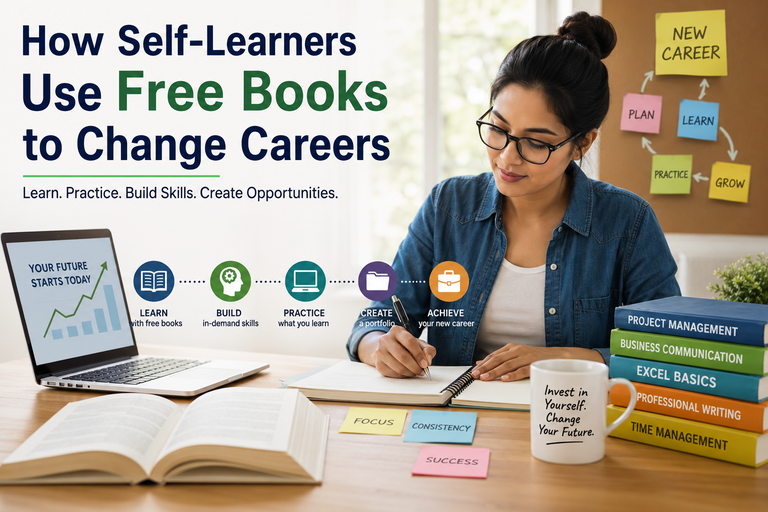
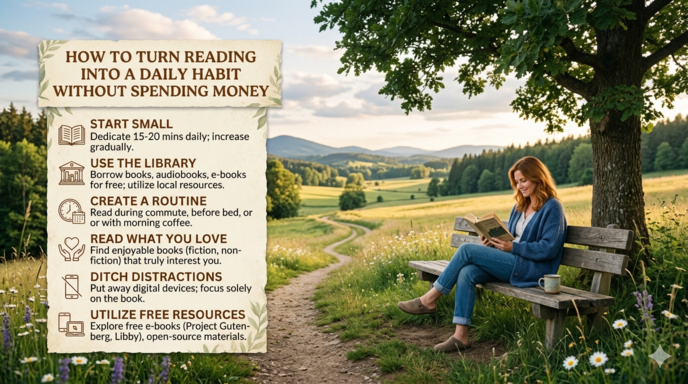
One of the biggest myths about reading is that books are expensive. In reality, thousands of books, articles, and educational materials are available online for free.
Free Digital Libraries and Platforms
There are many legitimate platforms where you can access free books:
- Project Gutenberg – Offers over 60,000 free public domain books
- Open Library – Allows users to borrow digital books
- Internet Archive – Provides free access to millions of books and texts
- OpenStax – Offers free academic textbooks
- Google Books – Includes a wide selection of free books
- ManyBooks – Features free classics and public domain titles
These websites give you access to fiction, biographies, history, science, self-development books, and more all without cost.
Public Libraries
Libraries are still one of the best free resources for readers. Most libraries provide:
- Free physical books
- Free eBooks and audiobooks
- Quiet reading environments
- Reading clubs and community events
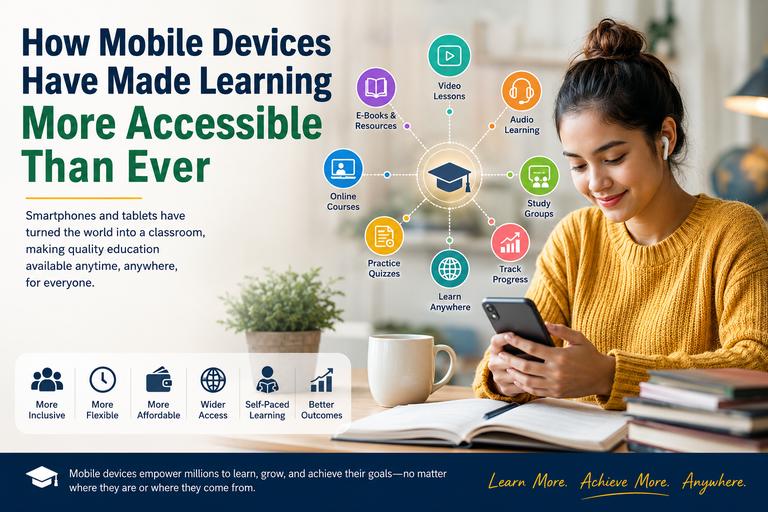
If your local library offers digital services, you may be able to borrow books directly from your phone or tablet.
3. Begin With Small, Realistic Goals
One of the biggest mistakes people make when trying to build a reading habit is setting goals that are too large.
Trying to read an entire book in a week may sound ambitious, but unrealistic goals often lead to frustration and quitting.
Instead, start small:
- Read for 10 minutes a day
- Read 5 pages daily
- Finish one short chapter each day
- Read one article every morning
Small goals are easier to maintain consistently. Once reading becomes part of your routine, increasing your reading time becomes natural.
Consistency matters more than intensity.
4. Create a Daily Reading Schedule
Habits are easier to build when attached to a regular routine.
Rather than reading “whenever you have time,” choose a fixed time each day dedicated to reading.
Some effective reading times include:
- Early morning before work or school
- During lunch breaks
- Before bed
- While commuting on public transportation
Reading at the same time each day trains your brain to expect it. Over time, the routine becomes automatic.
5. Replace Screen Time With Reading Time
Many people claim they don’t have time to read, yet spend hours every day on social media, entertainment apps, or unnecessary browsing.
You don’t need to “find” time you need to reclaim time.
Try replacing just 20 minutes of screen time with reading:
- Read instead of scrolling before bed
- Read while drinking your morning coffee
- Read during waiting times
- Read during breaks instead of checking social media
Even short periods add up quickly. Reading for 20 minutes every day can help you finish several books in a year.
6. Make Reading Convenient
The easier reading is, the more likely you are to do it.
Keep your reading materials close and accessible:
- Download free books to your phone
- Keep a borrowed library book on your desk
- Save articles to read offline
- Carry a book with you when traveling
When books are always within reach, reading becomes an easy choice rather than an effort.
Convenience removes excuses.
7. Read What Interests You
A common reason people fail to build a reading habit is that they choose books they think they should read instead of books they want to read.
If the material feels boring, reading becomes a chore.
Choose subjects that genuinely interest you:
- Fiction and storytelling
- Self-help and personal growth
- Business and entrepreneurship
- Psychology
- Science
- History
- Philosophy
- Biographies
Enjoyment increases motivation. When reading feels enjoyable, the habit becomes sustainable.
8. Set Achievable Milestones
Goals help create structure and motivation.
Set simple reading milestones such as:
- Read one book per month
- Read 15 minutes every day
- Finish one chapter daily
- Complete 12 books this year
Tracking your progress makes the habit more satisfying and helps maintain momentum.
You can track reading progress using:
- A notebook
- A calendar
- A free reading app
- A simple checklist
Small wins build motivation.
9. Create a Comfortable Reading Space
Your environment affects your behavior.
A cluttered, noisy, or distracting environment makes reading harder. A calm and inviting space makes it easier to focus.
Your reading space should include:
- Good lighting
- Comfortable seating
- Minimal distractions
- A quiet atmosphere
You don’t need a perfect reading corner—just a place where you feel relaxed enough to focus.
10. Join Free Reading Communities
Reading does not have to be a solitary habit.
Joining a reading community can increase motivation and accountability.
You can join:
- Free online book clubs
- Library reading groups
- Social media reading communities
- Student reading circles
Talking about books with others makes reading more engaging and encourages consistency.
11. Keep a Reading Journal
Writing about what you read deepens understanding and helps maintain motivation.
A reading journal can include:
- Book titles completed
- Favorite quotes
- Key lessons learned
- Personal reflections
- Notes on chapters
Seeing your progress written down makes the habit feel rewarding.
It turns reading into an active learning process.
12. Use Free Audiobooks
If sitting down to read feels difficult, audiobooks can help.
Many libraries and free platforms provide free audiobooks, allowing you to “read” while doing other tasks.
You can listen while:
- Walking
- Cleaning
- Exercising
- Commuting
Audiobooks make reading more flexible and help maintain the habit even on busy days.
13. Focus on Progress, Not Perfection
Building a habit takes time.
There will be days when you miss a reading session. That does not mean failure it simply means you continue the next day.
Remember:
- Missing one day is normal
- Consistency is more important than perfection
- Small progress leads to lasting results
The goal is not to read perfectly. The goal is to keep reading.
Over time, what feels difficult now becomes natural.
The Long-Term Rewards of Daily Reading
When reading becomes part of your daily life, the benefits compound over time.
You will gradually develop:
- Stronger concentration
- Better memory
- Greater confidence
- Improved writing skills
- Broader knowledge
- Better communication abilities
- Lifelong learning habits
And the best part is that none of these benefits require spending money.
Conclusion
Building a daily reading habit does not require expensive books or paid subscriptions. With free digital libraries, public resources, realistic goals, and consistent effort, anyone can develop a meaningful reading routine at no cost.
Start small. Read what interests you. Use free resources. Replace wasted screen time with purposeful reading.
With patience and consistency, reading will stop feeling like a task and become one of the most valuable parts of your day.
The sooner you begin, the sooner the benefits begin.