Learning Beyond the Classroom: Using Free Books to Gain Practical Skills
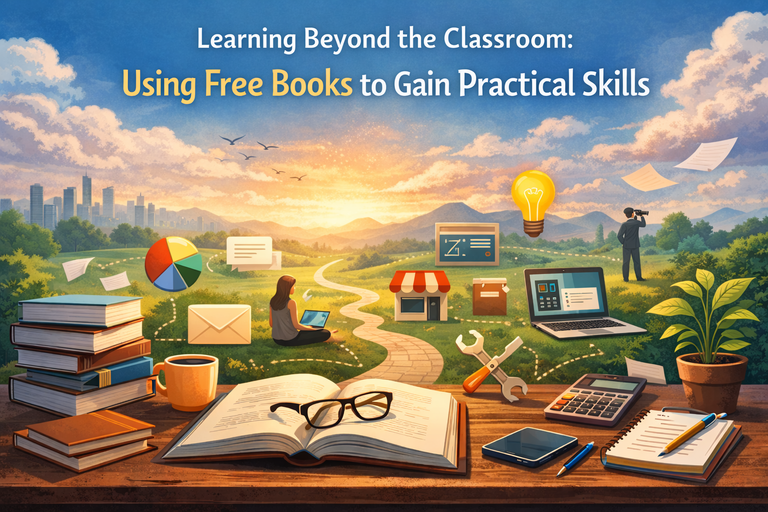
Education no longer begins and ends in a classroom. While schools, colleges, and training programs remain important, many of the most useful real-world skills can also be learned independently. From communication and financial literacy to coding, design, entrepreneurship, and home improvement, practical knowledge is more accessible than ever. One of the most powerful and often overlooked tools in this process is the free educational book.
Free books can open doors for students, professionals, job seekers, entrepreneurs, and lifelong learners who want to build meaningful skills without the cost of formal courses or expensive textbooks. With the right approach, they can help people learn at their own pace, explore new fields, and apply knowledge directly to daily life and career goals.
This article explores how learning beyond the classroom works, why free books are valuable for developing practical skills, and how to use them effectively to turn knowledge into action.
The Shift Toward Self-Directed Learning
For a long time, education was closely tied to institutions. If you wanted to learn a subject in depth, the usual path involved enrolling in a school, attending lectures, and following a fixed curriculum. That model still has clear advantages, but it is no longer the only way to learn.
Today, people often need to learn continuously throughout life. Industries change quickly, job roles evolve, and technology creates new demands. Many practical skills are needed immediately, not years later.
A person may need to learn how to:
-
Write professionally
-
Manage personal finances
-
Use spreadsheets effectively
-
Build a website
-
Communicate with clients
-
Market a business online
-
Improve productivity
-
Understand project management
-
Repair household items
-
Cook healthy meals on a budget
These are not always taught in formal academic settings, and even when they are, classroom instruction may not provide enough flexibility, affordability, or direct application.
This is where self-directed learning becomes essential.
Learning beyond the classroom means taking ownership of your growth. It involves:
-
Identifying a skill to learn
-
Finding reliable resources
-
Building a learning routine
-
Practicing what you study
-
Applying knowledge to real-life tasks
Free books can serve as a stable foundation for this type of learning.
What Are Practical Skills?
Practical skills are abilities that can be applied directly in real-life situations. They help people solve problems, complete tasks, improve performance, and manage responsibilities more effectively.
Unlike purely theoretical knowledge, practical skills focus on action and application.
These skills can be grouped into several categories.
Professional Skills
These are abilities that improve workplace effectiveness.
Examples include:
-
Business writing
-
Leadership
-
Time management
-
Teamwork
-
Presentation skills
-
Project planning
-
Customer service
Technical Skills
These involve tools, systems, and technologies used in modern industries.
Examples include:
-
Coding
-
Data analysis
-
Graphic design
-
Web development
-
Digital marketing
-
Software usage
-
Cybersecurity basics
Life Skills
These support daily living and personal wellbeing.
Examples include:
-
Budgeting
-
Cooking
-
Communication
-
Critical thinking
-
Organization
-
Stress management
-
Decision-making
Creative and Entrepreneurial Skills
These help people create, innovate, or build businesses.
Examples include:
-
Writing
-
Branding
-
Content creation
-
Photography
-
Freelancing
-
Business planning
-
Product development
Practical skills are valuable because they affect employability, independence, confidence, and everyday problem-solving.
Many of these abilities can be learned effectively outside traditional classrooms, especially through well-structured reading materials.
Why Free Books Matter in Practical Learning
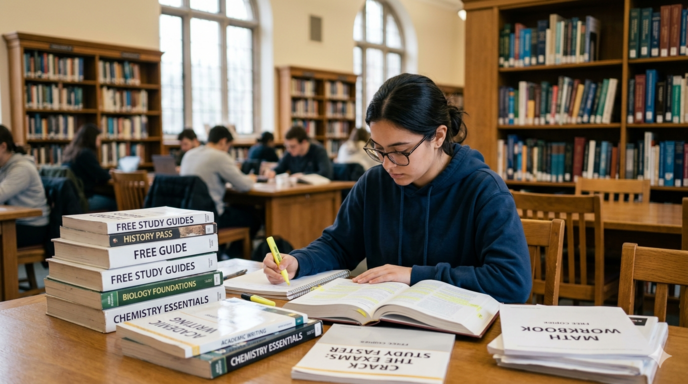
Free books do much more than reduce expenses. They remove barriers, expand access, and support focused, independent learning.
In many cases, they are one of the best starting points for developing new skills.
1. They Make Learning Accessible
Cost is one of the biggest barriers in education. Courses, certifications, and textbooks can be expensive.
Free books allow people to start learning immediately, without waiting for funding, admission, or institutional approval.
This accessibility is especially important for:
-
Students with limited budgets
-
Adults returning to education
-
Job seekers improving employability
-
Entrepreneurs building businesses
-
People in remote locations
A single free book can become the starting point for a new career or opportunity.
2. They Support Independent Progress
Books are ideal for self-paced learning.
Unlike scheduled classes, books allow learners to:
-
Read when time is available
-
Pause and review difficult ideas
-
Reread important sections
-
Take notes and reflect
-
Progress at their own speed
Someone balancing work, family responsibilities, or other commitments can still develop valuable skills through consistent reading.
Even 20–30 minutes a day can lead to significant improvement over time.
3. They Provide Structure and Depth
Short videos and social media content often introduce ideas quickly, but they rarely provide a full learning pathway.
Books usually follow a logical sequence that builds understanding gradually.
For example:
-
A programming book may begin with syntax before moving into projects and debugging
-
A personal finance guide may start with budgeting before discussing investing
-
A communication book may introduce listening skills before persuasion techniques
This structured progression helps learners build knowledge step by step, which is critical for practical skill development.
4. They Encourage Focused Learning
Books demand more concentration than quick online content.
While this may seem challenging at first, it has major benefits. Deep reading encourages learners to:
-
Think critically
-
Understand context
-
Connect ideas
-
Reflect on examples
-
Apply concepts thoughtfully
Practical skills require practice and understanding, not just exposure to information. Books support this deeper engagement.
Types of Free Books That Help Build Practical Skills
Different types of books support different stages of learning.
Introductory Textbooks
These books provide a structured overview of a subject.
They typically explain:
-
Key concepts
-
Basic terminology
-
Fundamental principles
-
Common methods
Best for:
-
Beginners
-
Exploring a new subject
-
Building foundational knowledge
Practical Guides and Handbooks
These books focus on actionable advice rather than theory.
They may include:
-
Step-by-step instructions
-
Checklists
-
Templates
-
Practical examples
Best for:
-
Workplace skills
-
Entrepreneurship
-
Personal productivity
-
Life skills
Workbooks and Exercise Books
These books encourage active learning.
They often include:
-
Practice exercises
-
Reflection questions
-
Worksheets
-
Skill-building activities
Best for:
-
Language learning
-
Writing practice
-
Financial planning
-
Personal development
Reference Books
Reference books provide quick access to information when needed.
They may contain:
-
Formulas
-
Definitions
-
Examples
-
Best practices
Best for:
-
Intermediate learners
-
Ongoing projects
-
Professionals needing refreshers
Public Domain Classics
Older books in the public domain can still offer valuable insights into:
-
Leadership
-
Philosophy
-
Writing
-
Economics
-
Human behavior
While they may not always cover modern technology, they can deepen critical thinking and perspective.
Practical Skills You Can Learn Through Free Books
Many useful skills can be learned through reading combined with practice.
Financial Literacy
Free books can teach readers how to:
-
Create budgets
-
Track expenses
-
Build savings habits
-
Manage debt
-
Understand credit systems
-
Learn investing basics
-
Plan for long-term financial stability
These skills can significantly improve financial wellbeing.
Communication Skills
Books on communication help readers improve:
-
Professional writing
-
Email etiquette
-
Listening skills
-
Public speaking
-
Negotiation techniques
-
Conflict resolution
Because communication affects work, relationships, and leadership, it is one of the most valuable self-education areas.
Digital and Technical Skills
Many free books cover technology-related topics such as:
-
Programming languages
-
Web development
-
Spreadsheets and data analysis
-
Digital security
-
User experience design
Books provide the framework needed before learners move on to software practice and real projects.
Career Development
Free books can help professionals learn how to:
-
Write stronger resumes
-
Prepare for job interviews
-
Improve workplace productivity
-
Develop leadership habits
-
Solve problems more effectively
-
Set long-term career goals
These skills can directly impact career growth.
Entrepreneurship and Freelancing
Aspiring business owners can learn about:
-
Market research
-
Branding and positioning
-
Pricing strategies
-
Customer relationships
-
Basic accounting
-
Online marketing
For people launching small ventures with limited budgets, free books are often an essential learning resource.
Where to Find Free Books Legally
Reliable sources of free educational books include:
-
Open educational resource platforms
-
University websites
-
Public domain digital libraries
-
Government educational portals
-
Nonprofit organizations
-
Library digital lending apps
When choosing a book, consider:
-
Author expertise
-
Publication date
-
Clarity of structure
-
Relevance to your learning goal
-
Presence of examples or exercises
For fast-changing subjects like technology or marketing, newer materials are usually better.
How to Use Free Books to Build Real Skills
Reading alone does not automatically create practical ability. The key is active learning and application.
Step 1: Set a Clear Goal
A clear goal guides your learning process.
Examples:
-
Learn Excel for budgeting and reporting
-
Improve business writing in two months
-
Understand digital marketing basics
-
Learn beginner coding and build a project
Specific goals create focus.
Step 2: Choose One Primary Book
Avoid collecting too many resources.
Start with one main book that:
-
Matches your level
-
Explains the subject clearly
-
Includes practical examples
Additional books can be added later if needed.
Step 3: Build a Study Routine
Consistency matters more than intensity.
Example routines include:
-
Reading 20 pages daily
-
Studying one chapter per week
-
Combining reading and practice sessions
Regular learning habits create steady improvement.
Step 4: Take Active Notes
Instead of copying text, summarize ideas in your own words.
Effective notes may include:
-
Key concepts
-
Steps or formulas
-
Useful examples
-
Questions for further study
-
Personal action steps
This process strengthens understanding.
Step 5: Practice Immediately
Skill development requires action.
Examples:
-
Create a personal budget after reading about finance
-
Rewrite emails after studying business communication
-
Write code after reading programming chapters
-
Apply productivity techniques to your daily schedule
Practice transforms knowledge into ability.
Step 6: Work on Small Projects
Projects reinforce learning.
Examples include:
-
Building a personal website
-
Designing marketing materials
-
Creating a monthly savings plan
-
Writing a blog article
-
Running a small online campaign
Projects reveal gaps in knowledge and deepen mastery.
Step 7: Reflect on Progress
Regular reflection improves learning outcomes.
Ask yourself:
-
What new skills have I gained?
-
What still feels challenging?
-
How can I apply this knowledge next week?
Reflection strengthens long-term learning.
Combining Free Books With Other Learning Tools
Free books become even more effective when combined with other resources.
You can pair them with:
-
Video tutorials
-
Podcasts
-
Online communities
-
Worksheets and templates
-
Practice platforms
-
Mentors or peers
For example, someone learning graphic design might read a design theory book, watch tutorials on design software, and then create real design projects.
Books provide depth, while other tools provide demonstration and feedback.
Benefits of Learning Through Free Books
Learning practical skills through free books offers several advantages.
Greater Independence
Learners develop the ability to guide their own education.
Lower Financial Barriers
People can gain valuable skills without paying expensive course fees.
Stronger Knowledge Retention
Active reading and practice often produce deeper understanding.
Personalized Learning
Individuals can focus only on skills that matter to their goals.
Lifelong Learning Habits
Self-directed reading encourages continuous growth.
Common Challenges and Solutions
Self-directed learning has challenges, but they can be managed.
Too many resources:
Start with one goal and one main book.
Low motivation:
Set small weekly milestones.
Passive reading:
Combine reading with practical exercises.
Outdated information:
Verify publication dates for fast-changing subjects.
Limited feedback:
Share work with peers or online communities.
Why Learning Beyond the Classroom Matters
The modern world rewards people who can learn continuously.
Technology evolves quickly, industries shift, and many jobs now require ongoing skill development.
Free books make learning more democratic. They provide access to knowledge regardless of location, income, or background.
More importantly, they change how people view education. Instead of seeing learning as something limited to schools, individuals begin to see it as a lifelong process connected to real-life goals.
Conclusion
Learning beyond the classroom is no longer just an alternative it is an essential path to personal and professional growth. Free books play a powerful role in this process by making practical knowledge accessible, affordable, and adaptable to individual goals.
Whether someone wants to improve communication, manage finances, learn coding, strengthen career skills, or start a business, free books can provide the structure and depth needed to begin.
Their true power emerges when they are used actively with clear goals, consistent practice, real projects, and thoughtful reflection.
The classroom will always remain important, but it is no longer the only place where meaningful learning happens. With curiosity, discipline, and the wealth of free knowledge available today, anyone can continue learning, building skills, and growing far beyond traditional educational boundaries.