
How to Replace Expensive Courses With Free Learning Materials
In today’s digital age, learning no longer has to come with a hefty price tag. From $500 online bootcamps to $10,000 certification programs, the education industry has turned knowledge into a premium product. But here’s the truth: you can achieve the same learning outcomes often better using free resources available online.
Whether you're looking to learn digital marketing, coding, graphic design, business management, or even university-level subjects, there are thousands of free learning materials that can help you master valuable skills without spending a fortune.
This article will walk you through how to replace expensive courses with free learning materials, while still creating a structured, effective, and career-focused learning journey.
Why Expensive Courses Are Not Always Necessary
Many paid courses offer three things:
- Structured curriculum
- Guided learning path
- Certification
But the actual knowledge inside those courses often comes from freely accessible sources such as:
- Public university lectures
- Open educational resources (OER)
- YouTube tutorials
- Industry blogs
- Free eBooks
- Community forums
- Practice projects
What you’re often paying for is convenience and packaging, not exclusive information.
For example, a $1,000 digital marketing course may simply organize:
- SEO articles from Moz
- Facebook Ads tutorials from Meta
- Analytics lessons from Google
- Email marketing guides from HubSpot
All of which are available for free.
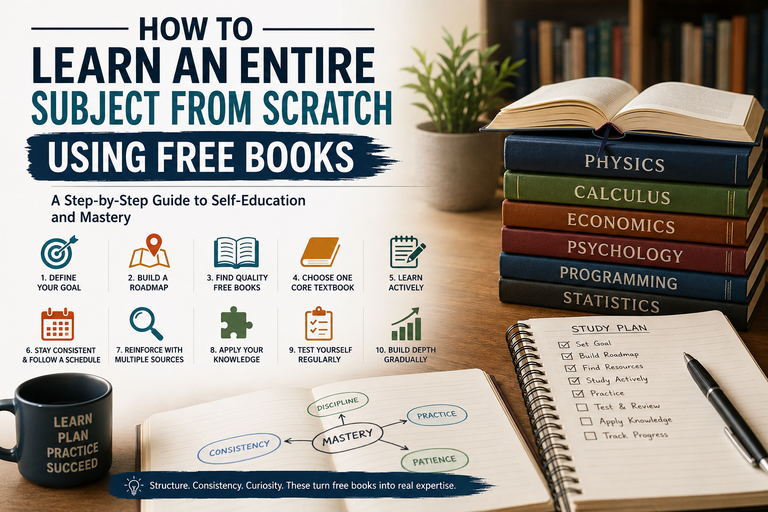
Step 1: Identify the Exact Skills You Want to Learn
Before replacing a paid course, clarify what skills or outcomes you want.
Instead of saying:
“I want to learn web development”
Break it into:
- HTML & CSS fundamentals
- JavaScript basics
- Responsive design
- Git and GitHub
- Front-end frameworks
- Deployment
This lets you rebuild the paid course curriculum yourself, using free resources.
Action Tip:
Search for:
“Curriculum for [subject] course”
Examples:
- “Curriculum for UX design bootcamp”
- “Curriculum for data analytics certification”
Then use that syllabus as your roadmap.
This is one of the smartest ways to replicate premium courses without paying for them.
Step 2: Use Free Online Learning Platforms
There are world-class platforms offering free courses from top institutions.
Best Free Platforms:
1. Coursera (Audit Mode)
Most courses can be audited for free.
You get:
- Video lectures
- Reading materials
- Assignments (sometimes)
You may not receive a certificate, but the knowledge is the same.
Great for:
- Business
- Data Science
- Marketing
- Programming
2. edX
Offers free courses from universities like:
- Harvard
- MIT
- Berkeley
You can learn the full course for free and only pay if you want certification.
3. Khan Academy
Excellent for:
- Math
- Economics
- Science
- Computing
Structured and beginner-friendly.
4. Google Digital Garage
Free certifications in:
- Digital marketing
- Career development
- Data basics
5. freeCodeCamp
One of the best platforms for learning coding free.
Includes:
- Interactive lessons
- Projects
- Certifications
6. MIT OpenCourseWare
Real university course materials for free:
- Lecture notes
- Exams
- Videos
This is essentially free Ivy League education.
Step 3: Replace Course Videos With YouTube Learning Paths
Many expensive courses are basically pre-recorded videos.
YouTube offers high-quality tutorials for free, often created by industry professionals.
Best YouTube Learning Channels:
For Tech:
- freeCodeCamp
- Programming with Mosh
- Traversy Media
For Design:
- Flux Academy
- The Futur
For Marketing:
- HubSpot
- Neil Patel
- Surfside PPC
For Business:
- Ali Abdaal
- Harvard i-lab
Create a playlist that matches the paid course modules.
For example:
Paid Course Module:
“Introduction to SEO”
Free alternative:
- Moz Beginner’s Guide to SEO
- Ahrefs YouTube SEO playlist
- Google Search Central documentation
This method gives you the same expertise without the course fee.
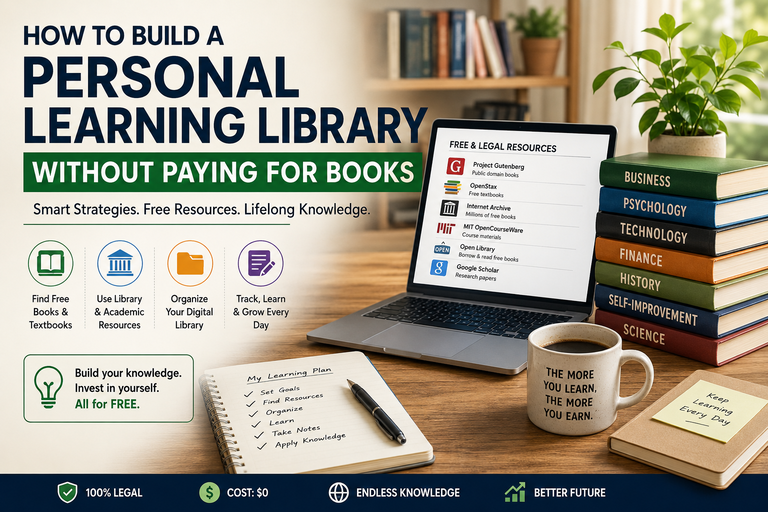
Step 4: Use Free eBooks and Documentation
Paid courses often summarize information already available in:
- Official documentation
- Free textbooks
- Guides
- PDFs
Examples:
For Coding:
- MDN Web Docs
- Python.org documentation
For Marketing:
- Google Skillshop
- HubSpot Academy
For Design:
- Figma documentation
- Adobe tutorials
Official documentation is often more accurate and up-to-date than paid courses.
Why?
Because industries evolve fast. Many paid courses become outdated, while official docs stay current.
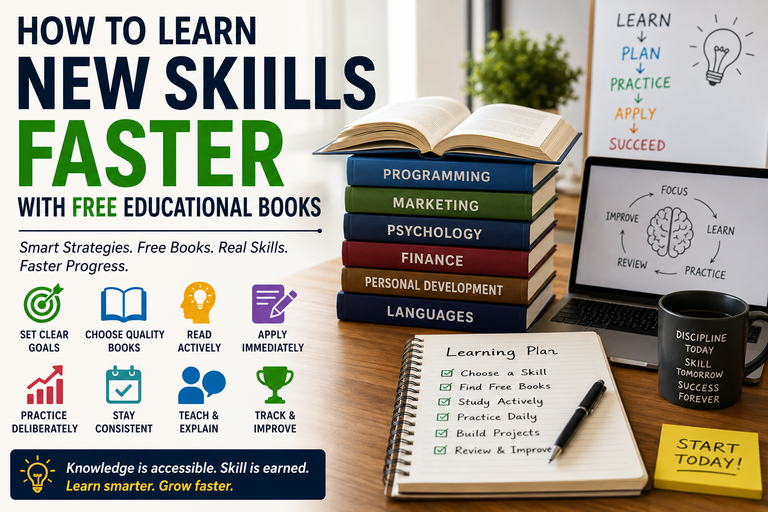
Step 5: Build Your Own Learning Schedule
One reason people buy courses is accountability.
Without structure, free learning can feel overwhelming.
So build a simple study system:
Example Weekly Plan:
Monday:
Watch tutorial videos
Tuesday:
Read documentation
Wednesday:
Practice exercises
Thursday:
Build mini projects
Friday:
Review and take notes
Saturday:
Join discussions / ask questions
Sunday:
Rest or revise
This gives you course-like structure for free.
Consistency matters more than cost.
Step 6: Learn Through Projects Instead of Passive Watching
Many learners spend money on courses but never apply what they learn.
The best free alternative is project-based learning.
If you're learning:
- Coding → build apps
- Marketing → run mock campaigns
- Writing → create blog posts
- Design → redesign websites
Projects help you:
- Retain knowledge
- Build confidence
- Create portfolio work
A strong portfolio often matters more than a paid certificate.
For example:
A self-taught web developer with 5 solid projects often beats someone with an expensive course certificate but no practical skills.
Step 7: Join Free Communities for Support
Paid courses often market “mentorship” and “community access.”
But free communities exist everywhere:
- Discord
- Facebook Groups
- Stack Overflow
- GitHub Discussions
These communities can help with:
- Troubleshooting
- Feedback
- Networking
- Motivation
Examples:
- r/learnprogramming
- r/digital_marketing
- Designer Hangout
This replaces the “support system” that expensive courses sell.
Step 8: Use Free Certifications Strategically
While free learning is enough for skills, certifications can boost credibility.
Fortunately, many platforms provide free certificates:
- Google Digital Garage
- HubSpot Academy
- freeCodeCamp
- LinkedIn Learning (free trials)
- Great Learning Academy
These certificates may not carry university prestige, but they demonstrate initiative.
Remember:
Skills + portfolio + consistency > expensive certificate
Step 9: Curate Resources Like a Personalized Course
Create your own “course dashboard” using:
- Notion
- Trello
- Google Docs
Organize:
Module 1:
Resources + tasks
Module 2:
Resources + projects
Module 3:
Assessments + review
This transforms random free resources into a cohesive learning program, mimicking a premium course experience.
Step 10: Measure Progress With Milestones
Without milestones, it’s easy to lose momentum.
Set goals like:
Week 1:
Complete beginner tutorials
Week 2:
Build first project
Week 4:
Finish portfolio project
Week 6:
Apply skills in real-world scenario
Tracking progress gives motivation and clarity.
This is how you make free learning results-driven.
Common Mistakes When Using Free Learning Materials
1. Resource Hopping
Jumping between too many tutorials causes confusion.
Stick to:
- One main course
- One supporting guide
- One project
2. Passive Consumption
Watching videos is not learning.
Apply what you learn immediately.
3. No Curriculum
Without a roadmap, free resources feel chaotic.
Use paid course outlines to guide your learning.
4. Ignoring Practice
Skill development happens through doing, not watching.
Benefits of Replacing Paid Courses With Free Learning
1. Save Money
You can save hundreds or thousands of dollars.
2. Learn at Your Pace
No deadlines, no pressure.
3. Access Better Materials
Often from top universities and companies.
4. Customize Your Learning
Focus only on what matters.
5. Build Self-Discipline
A crucial real-world skill.
Final Thoughts
Expensive courses are not the only path to valuable skills.
In fact, with the right strategy, free learning materials can replace premium courses entirely.
The key is to replicate what paid courses provide:
- Curriculum
- Structure
- Practice
- Accountability
- Community
When you combine free platforms, structured planning, hands-on projects, and consistency, you can build expertise without debt or financial pressure.
The future of education belongs to learners who know how to find, organize, and apply free knowledge effectively.
Because in the internet era:
Information is free. Transformation comes from discipline.