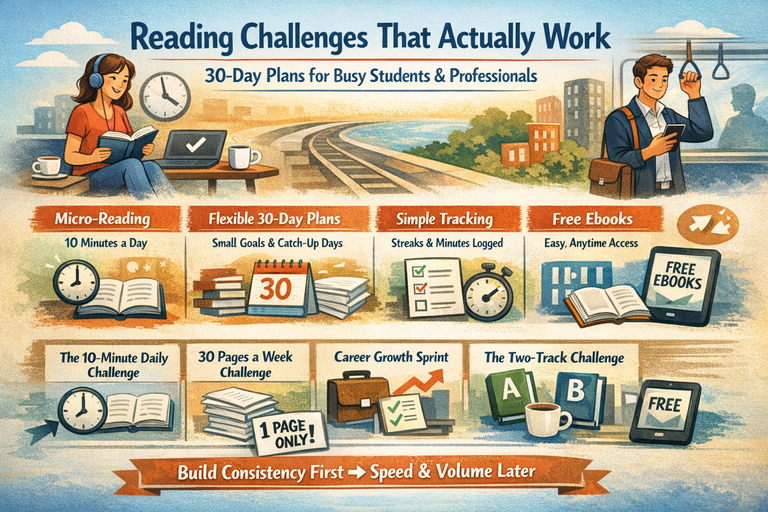
Reading Challenges That Actually Work: 30-Day Plans for Busy Students and Professionals
Reading more sounds simple until deadlines, exams, work meetings, family responsibilities, and screen fatigue take over. Most “read a book a week” challenges fail because they ignore real life.
What works instead is a reading challenge designed for busy people: small daily reading, flexible pacing, low friction, and simple tracking.
This guide gives you realistic 30-day reading plans, micro-reading habits you can do in minutes, and progress-tracking methods that keep you consistent without burning out plus how free ebooks make the habit easier to sustain.
Why Most Reading Challenges Fail (and What Works Instead)
Why people quit reading challenges
Most challenges collapse for predictable reasons:
-
The goal is too big (“50 pages a day”) and fails on stressful days
-
There’s no recovery plan for missed days
-
Tracking feels like homework
-
The book choice is too long, too difficult, or not relevant
-
Reading competes with phones, not real schedules
What actually works
Successful challenges share a few traits:
-
Minimum daily reading you can do even on your worst day
-
A clear 30-day structure with built-in flexibility
-
Simple, visible tracking that feels rewarding
-
Easy access to books, especially free ebooks, so you never “run out”
The goal isn’t to read impressively it’s to read consistently.
The Core Idea: Micro-Reading (Small Habit, Big Results)
Micro-reading means breaking reading into small, repeatable units:
-
5–10 minutes
-
2–5 pages
-
One section or short chapter
-
One article-length reading
-
One “concept chunk” you can summarize in one line
If you only read 10 minutes a day, you’ll still finish a surprising amount in 30 days especially when you choose material that matches your energy and schedule.
The “Minimum + Bonus” Rule (Prevents Burnout)
Instead of one rigid goal, set two:
-
Minimum: the smallest effort you’ll do every day (e.g., 5 minutes or 1 page)
-
Bonus: what you do when you have time or energy (e.g., +10–20 minutes)
This protects consistency while still allowing real progress on good days. The habit survives bad days and that’s what matters.
Reading Challenges That Actually Work: 4 Realistic 30-Day Plans
Each challenge below includes:
-
a daily minimum
-
optional bonuses
-
catch-up flexibility
-
simple tracking
Challenge 1: The 10-Minute Daily Challenge
Best for: Everyone (especially beginners)
Goal: Build consistency, not speed.
Daily plan (Days 1–30):
-
Read 10 minutes per day
-
Bonus: +10 minutes if you feel like it
Why it works:
-
Fits into commutes, lunch breaks, waiting time, or before bed
-
“Too small to fail,” which is exactly the point
Weekly structure:
-
6 reading days + 1 flex day (catch-up or rest)
What you can finish:
-
1–2 medium-length books, or
-
1 book plus articles, essays, or extra chapters
Challenge 2: The 30 Pages a Week Challenge
Best for: Exam seasons and unpredictable schedules
Goal: Stay engaged without daily pressure.
Weekly target: 30 pages
Daily minimum: 1 page
Bonus: 10–15 pages in one sitting (weekends work well)
How to do it:
-
5 pages/day for 6 days, or
-
10 pages on 3 days, or
-
One longer weekend session + short weekday reads
Why it works:
-
Flexible pacing prevents guilt and dropout
-
Perfect when no two days look the same
Challenge 3: The Career Growth Sprint
Best for: Professionals and final-year students
Goal: Finish one practical skill book in 30 days.
Pick one theme:
-
Communication
-
Leadership
-
Productivity
-
Negotiation
-
Personal finance
-
Interviewing or career planning
Daily plan:
-
Minimum: 6 pages/day
-
Bonus: Write one short action note (“What I’ll try this week”)
Weekly structure:
-
Week 1: Skim and mark high-value chapters
-
Weeks 2–3: Deep reading + notes
-
Week 4: Finish, summarize, and apply
Why it works:
-
Reading turns into visible work improvement
-
One applied book beats five unfinished ones
Challenge 4: The Two-Track Challenge
Best for: People who get bored easily
Goal: Never get stuck or lose interest.
Choose two books:
-
Book A (easy): fiction or light nonfiction
-
Book B (useful): textbook, career, or skill book
Daily plan:
-
Minimum: 5 minutes on either book
-
Bonus: 15–20 minutes split between both
Why it works:
-
You always have a book that fits your energy
-
You get enjoyment and growth at the same time
Daily Micro-Reading Habits You Can Stick To
1) Habit stacking: “Read after I…”
Attach reading to something you already do:
-
After brushing your teeth (night reading)
-
After lunch (midday reset)
-
After boarding the bus or train
-
After opening your laptop (read first, then work)
Reading becomes the automatic next step.
2) The 1-Page Rule (for chaotic days)
On exhausting days:
-
Read one page
-
Stop
This keeps your streak alive and reinforces the identity:
“I’m someone who reads daily.”
3) Replace scroll time with chapter time
You don’t need more time you need reclaimed time.
Try this:
-
No social media for the first 10 minutes after waking
-
Read an ebook instead
-
Scroll later if you want (most people don’t)
4) Read in the “edges of the day”
Micro-reading thrives in short windows:
-
Waiting rooms
-
Before class
-
Between meetings
-
Commutes
-
Just before sleep
Keep a book on your phone at all times.
Tracking Progress Without Burnout
Tracking should take under 30 seconds.
Option A: Streak tracking (best for habits)
Track only: Did I read today?
Tools:
-
Calendar checkmarks
-
Habit apps (Loop, Streaks, Habitica)
-
A simple phone note
Option B: Minutes-read tracking
Track time, not pages:
-
10 minutes counts, regardless of difficulty
Great for textbooks and dense nonfiction.
Option C: Finish-line tracking
Track chapters or sections completed:
-
“Chapter 4 done”
-
“Section 2.1 completed”
Very satisfying for structured books.
The Anti-Burnout Rule
Never miss twice.
Miss one day?
Read the next—even if it’s one page.
This stops the “I already failed, so I quit” spiral.
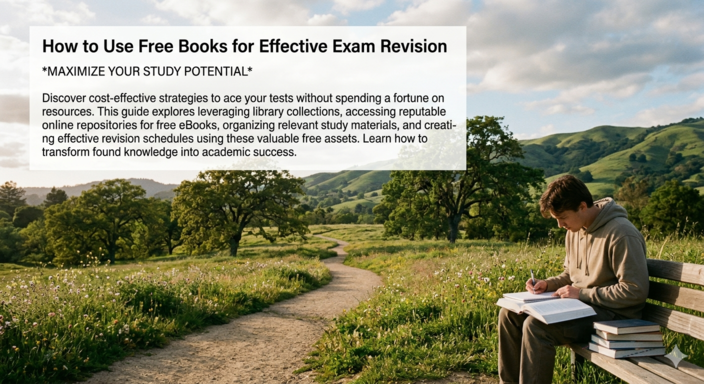
Using Free Ebooks to Stay Consistent
Consistency improves when access is frictionless.
Free ebooks help because:
-
You can start immediately
-
You can keep multiple reading options
-
You can match books to your mood and energy
-
No budget pressure means no excuses
Where to find free, legal ebooks
-
Project Gutenberg – public-domain classics
-
Standard Ebooks – clean, well-formatted classics
-
OpenStax – free textbooks
-
Open Textbook Library
-
DOAB / OAPEN – open-access academic books
-
Library apps (Libby, OverDrive, Hoopla – region dependent)
Many readers also use platforms like JunkyBooks to discover free ebooks by category productivity, communication, student success, and more making it easier to maintain a consistent reading queue without spending money. Always confirm books are shared legally (public domain, open-license, or authorized).
Making It Community-Friendly (Without Pressure)
Reading challenges stick better with light social accountability.
Simple group format (class, WhatsApp, Discord, teams)
-
Everyone chooses a 30-day plan
-
Daily check-in: “Read ✅”
-
Weekly optional share:
-
One quote
-
One takeaway
-
One recommendation
-
No competition. Just momentum.
Optional theme weeks
-
Week 1: Short reads or essays
-
Week 2: Career growth
-
Week 3: Personal finance or mindset
-
Week 4: Your choice
A Ready-to-Use 30-Day Reading Challenge (Copy & Paste)
30-Day Micro-Reading Challenge
-
Minimum: 10 minutes/day
-
Flex day: Every 7th day (rest or catch-up)
-
Rule: Never miss twice
-
Tracking: ✅ if you read 10 minutes (or 1 page on hard days)
Weekly optional share:
-
Best idea I read this week
-
One thing I’ll apply
-
One book or resource recommendation
Final Thoughts
Reading challenges succeed when they respect real life. The best 30-day plan isn’t the most ambitious it’s the one you can complete during your busiest week.
Start small. Read consistently. Track simply. Keep a steady queue of books (free ebooks make this much easier).
Build the habit first. Speed and volume will follow