How Free Learning Resources Help Students Perform Better in Exams
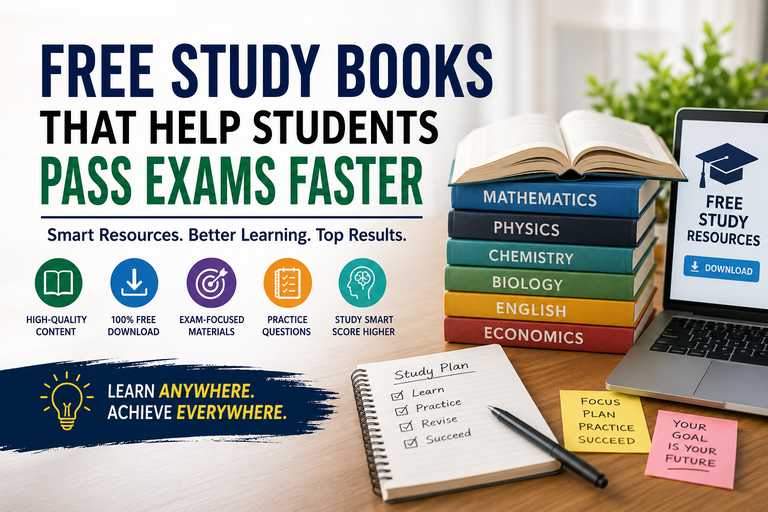
In an era where information is available at the click of a button, students have more opportunities than ever to excel academically without spending large amounts of money. The internet has transformed education by making high-quality learning materials accessible to millions of learners worldwide. From open textbooks and educational videos to practice tests and digital libraries, free learning resources have become powerful tools for academic success.
For many students, achieving excellent exam results is no longer dependent on purchasing expensive textbooks or hiring private tutors. Instead, success increasingly depends on how effectively students use the wealth of free educational resources available to them.
This article explores how free learning resources improve exam performance, the different types of resources available, and practical strategies students can use to maximize their academic results.
The Rise of Free Learning Resources
Education has undergone a significant transformation over the past two decades. Traditional learning relied heavily on classroom instruction and printed textbooks. Today, students can access entire courses, lectures, study guides, and practice materials online for free.
Free learning resources include:
- Open educational textbooks
- Online video tutorials
- Educational websites
- Digital libraries
- Practice tests and past examination papers
- Interactive learning platforms
- Mobile learning applications
- Flashcards and revision tools
- Academic writing assistants
- Study notes and summaries
These resources have democratized education by giving learners access to quality content regardless of their financial circumstances.
Why Free Learning Resources Matter for Exam Success
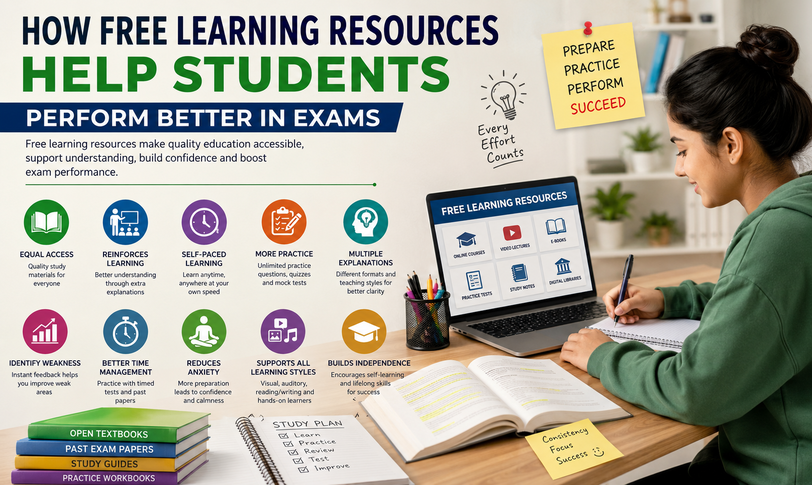
Academic achievement depends largely on preparation, understanding, practice, and confidence. Free learning resources support all these factors, making them valuable tools for students preparing for examinations.
When used strategically, they can help students understand concepts more deeply, improve retention, strengthen problem-solving skills, and increase confidence before exams.
1. They Provide Equal Access to Quality Education
One of the biggest obstacles to academic success is unequal access to educational materials. Many students cannot afford expensive textbooks, tutoring services, or specialized exam preparation programs.
Free learning resources help bridge this gap by offering:
- Free textbooks and study materials
- Open-access educational courses
- Free practice examinations
- Downloadable revision guides
- Educational videos and tutorials
As a result, students from different economic backgrounds gain access to similar learning opportunities, allowing them to compete on a more equal footing.
This accessibility promotes educational fairness and improves academic outcomes for a broader range of learners.
2. They Reinforce Classroom Learning
Classroom lessons are often limited by time constraints. Teachers must cover large amounts of material within a specific period, which means some students may not fully understand a topic before moving on to the next one.
Free learning resources allow students to revisit topics as often as necessary.
Students can:
- Rewatch lessons multiple times
- Read alternative explanations
- Access supplementary materials
- Practice additional exercises
For example, a student struggling with algebra can watch multiple video explanations, solve extra practice problems, and review textbook examples until the concept becomes clear.
This reinforcement strengthens understanding and improves memory retention, both of which are essential for exam success.
3. They Support Self-Paced Learning
Every student learns differently. Some grasp concepts quickly, while others require additional time and repetition.
Traditional classrooms often move at a fixed pace that may not suit every learner. Free educational resources solve this problem by allowing students to learn at their own speed.
Benefits of self-paced learning include:
- Greater comprehension
- Reduced learning pressure
- Improved concentration
- Better retention of information
- More personalized learning experiences
Students can pause videos, reread chapters, repeat exercises, and focus on difficult topics without feeling rushed.
This flexibility helps learners master concepts before progressing to more advanced material.
4. They Offer Unlimited Practice Opportunities
One of the most effective ways to improve exam performance is through consistent practice.
Many free educational platforms provide:
- Practice questions
- Worksheets
- Quizzes
- Mock examinations
- Interactive exercises
- Past examination papers
Repeated practice helps students:
- Develop confidence
- Improve speed
- Strengthen problem-solving abilities
- Reduce mistakes
- Become familiar with exam formats
Research consistently shows that students who regularly practice exam-style questions perform better than those who rely solely on reading or passive learning.
The more students practice, the more prepared they become for real examination conditions.
5. They Provide Multiple Explanations for Difficult Concepts
Not every teaching method works for every student.
A concept that seems confusing when explained one way may become clear when presented differently.
Free learning resources expose students to:
- Different teaching styles
- Alternative explanations
- Visual demonstrations
- Step-by-step tutorials
- Real-world examples
For instance, a student struggling with physics may:
- Read a textbook explanation
- Watch an animated video demonstration
- Complete interactive simulations
- Practice guided exercises
Exposure to different explanations deepens understanding and improves the ability to apply knowledge during exams.
6. They Help Students Identify Weak Areas
Many modern learning platforms include assessment tools that provide immediate feedback.
These tools help students:
- Recognize errors quickly
- Understand why answers are incorrect
- Identify recurring mistakes
- Focus on areas requiring improvement
Rather than spending equal time on all topics, students can prioritize subjects where they struggle the most.
Targeted revision is significantly more effective than random studying because it addresses specific knowledge gaps.
This strategic approach often leads to faster academic improvement and better examination results.
7. They Improve Time Management Skills
Academic success depends not only on knowledge but also on the ability to manage time effectively during examinations.
Free mock tests and past papers allow students to practice under realistic exam conditions.
Benefits include:
- Better pacing during exams
- Increased confidence
- Reduced pressure
- Improved answer organization
- Greater familiarity with exam structures
Students who regularly complete timed practice tests learn how long to spend on each question and avoid common mistakes associated with poor time management.
This preparation can significantly improve performance on exam day.
8. They Reduce Exam Anxiety
Exam stress affects millions of students worldwide.
Anxiety often stems from:
- Fear of failure
- Poor preparation
- Uncertainty about exam formats
- Lack of confidence
Free learning resources help reduce these concerns by enabling students to prepare more thoroughly.
When students:
- Understand the material
- Complete practice questions
- Review past exams
- Monitor their progress
They develop greater confidence in their abilities.
Confidence helps students remain calm, focused, and productive during examinations, ultimately improving performance.
9. They Support Different Learning Styles
Students absorb information in different ways.
Some learners understand concepts best through visual materials, while others prefer reading, listening, or hands-on activities.
Free learning resources cater to a variety of learning styles.
Visual Learners
Benefit from:
- Infographics
- Diagrams
- Charts
- Educational videos
- Animations
Auditory Learners
Benefit from:
- Recorded lectures
- Podcasts
- Audio explanations
Reading and Writing Learners
Benefit from:
- Textbooks
- Articles
- Study guides
- Notes and summaries
Kinesthetic Learners
Benefit from:
- Interactive simulations
- Practical exercises
- Educational games
By matching study methods to individual learning preferences, students can improve comprehension and retention.
10. They Encourage Independent Learning
One of the most valuable benefits of free learning resources is the development of independent learning skills.
Students learn how to:
- Conduct research
- Evaluate sources
- Manage study schedules
- Set academic goals
- Solve problems independently
These skills improve exam performance and prepare students for future educational and professional challenges.
Independent learners often perform better because they take ownership of their education and actively seek solutions when they encounter difficulties.
Examples of Free Learning Resources That Improve Exam Performance
Open Textbooks
Open textbooks provide comprehensive subject coverage without the cost associated with traditional academic books.
They are especially useful for:
- Science
- Mathematics
- Economics
- Business studies
- Social sciences
Online Learning Platforms
Many educational platforms offer free courses that include:
- Video lectures
- Quizzes
- Assignments
- Progress tracking
These structured learning experiences help students master complex subjects.
Educational Video Channels
Educational videos can simplify difficult topics and present information in engaging formats.
Students often find visual explanations easier to understand than text-based materials alone.
Government Education Portals
Many education ministries and examination boards provide:
- Official syllabi
- Past questions
- Revision materials
- Examination guidelines
These resources help students focus on relevant content.
Digital Libraries
Digital libraries provide access to:
- Academic books
- Research materials
- Reference texts
- Literary works
They are valuable resources for both secondary and higher education students.
Flashcard Applications
Flashcards improve memorization through active recall and spaced repetition techniques.
They are particularly effective for:
- Vocabulary
- Definitions
- Formulas
- Historical facts
- Medical terminology
How to Use Free Learning Resources Effectively
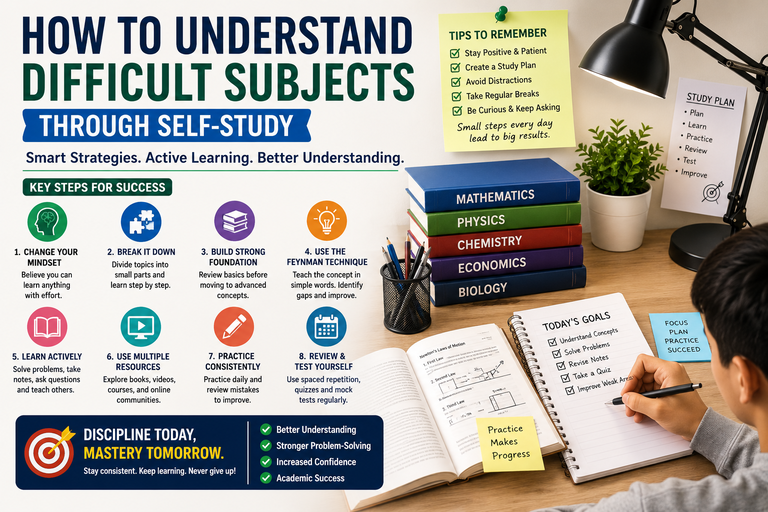
Having access to resources is only the first step. Students must use them strategically to maximize results.
Follow the Official Syllabus
Always begin with the examination syllabus.
This helps students:
- Focus on relevant topics
- Avoid unnecessary content
- Allocate study time effectively
Create a Structured Study Plan
A study plan should include:
- Daily study goals
- Weekly revision targets
- Practice schedules
- Resource lists
Consistency is more important than occasional intensive study sessions.
Combine Learning with Practice
For every topic:
- Learn the concept.
- Review examples.
- Complete practice questions.
- Take a quiz.
- Analyze mistakes.
This active learning process improves understanding and retention.
Use Spaced Repetition
Review information at regular intervals:
- After one day
- After one week
- After two weeks
- Before examinations
Spaced repetition strengthens long-term memory and reduces forgetting.
Track Progress
Monitor performance through:
- Practice tests
- Quiz scores
- Revision checklists
- Progress journals
Tracking progress helps maintain motivation and identify areas requiring further attention.
Common Mistakes Students Should Avoid
Even with excellent resources, poor study habits can limit success.
Avoid these common mistakes:
Using Too Many Resources Simultaneously
Switching constantly between resources can create confusion.
Choose a few reliable resources and use them consistently.
Studying Without a Plan
Unstructured studying often leads to wasted time and incomplete coverage of exam topics.
Ignoring Weak Subjects
Students often spend more time on subjects they enjoy.
Focusing on weaker areas usually produces greater improvement.
Watching Videos Without Practicing
Passive learning alone is insufficient.
Students must actively solve problems and test their understanding.
Neglecting Past Examination Papers
Past papers provide valuable insight into:
- Question formats
- Frequently tested topics
- Marking patterns
- Time management requirements
Long-Term Benefits Beyond Exams
The advantages of free learning resources extend beyond immediate academic performance.
Students develop:
- Critical thinking skills
- Research abilities
- Digital literacy
- Self-discipline
- Problem-solving skills
- Lifelong learning habits
These competencies remain valuable throughout higher education and professional careers.
As technology continues to evolve, the ability to learn independently will become increasingly important in a rapidly changing world.
Conclusion
Free learning resources have transformed modern education by making high-quality academic materials accessible to students everywhere. They eliminate financial barriers, reinforce classroom learning, provide unlimited practice opportunities, support different learning styles, and encourage independent study habits.
Most importantly, they empower students to take control of their education and prepare effectively for examinations.
Exam success is not determined by how much money students spend on learning materials. It is determined by consistency, effective study strategies, and the intelligent use of available resources.
Students who combine discipline, structured study plans, and free educational tools can significantly improve their academic performance and achieve their educational goals.
The future of learning is increasingly open, accessible, and flexible. Students who embrace these opportunities will be better equipped not only for exams but also for lifelong success.