
How to Study Without Money: Free Resources Every Student Should Know
Education has never been completely free. Even when tuition is covered, students still face costs textbooks, internet access, software, tutoring, exam fees, and even the hidden cost of time. For many learners, the real barrier isn’t motivation it’s money.
The good news is this: studying without money is more possible today than at any other time in history. With access to a phone, a public library, or even occasional internet, you can build a strong, structured education using free tools and resources. What matters most is not how much you spend, but how well you use what is available.
This guide shows you exactly how to do that step by step.
Why Studying Without Money Is Possible Today
A generation ago, education depended heavily on physical access classrooms, printed textbooks, and paid instruction. Today, knowledge has been digitized and widely shared.
Several shifts have made this possible:
- Universities now publish free lectures and course materials online
- Libraries provide digital access to books and academic databases
- Open educational resources replace expensive textbooks
- Free apps help with organization, note-taking, and revision
- Online communities offer peer explanations and study support
While financial challenges still exist, access to knowledge is no longer the biggest obstacle strategy is.
Start With a Plan, Not With Resources
Before downloading apps or bookmarking websites, define your goals:
- What subject are you studying?
- Are you preparing for exams, career skills, or self-learning?
- Do you need videos, textbooks, or practice questions?
- Do you have constant or limited internet access?
- Do you learn best by reading, watching, or practicing?
Free resources only work when they match your needs. A clear plan prevents overwhelm and wasted effort.
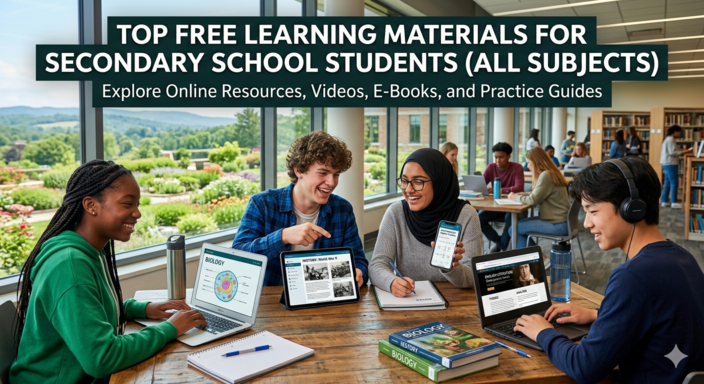
1. Free Online Learning Platforms
Structured platforms can replace paid courses entirely.
- Khan Academy – Ideal for math, science, and foundational subjects with practice exercises
- Coursera – University-level courses (audit for free)
- edX – Academic and professional courses from global institutions
- MIT OpenCourseWare – Deep, rigorous university content
- OpenLearn – Beginner-friendly structured learning
- Alison – Practical and workplace-focused skills
These platforms give you structure, which is often missing in self-study.
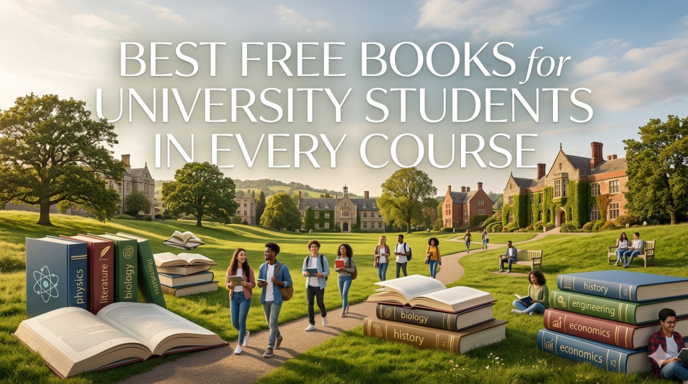
2. Free Textbooks and Academic Reading
Textbooks are expensive but many high-quality alternatives exist.
- OpenStax – Free peer-reviewed textbooks across major subjects
- Project Gutenberg – Classic literature and historical texts
- Internet Archive – Massive collection of books, documents, and media
- Directory of Open Access Books – Scholarly publications
- Google Books – Previews and partial access to many books
With these, you can cover most academic subjects without buying a single textbook.
3. Free Research Articles and Scholarly Sources
Academic research doesn’t have to be behind paywalls.
- Google Scholar – Search for papers, theses, and articles
- PubMed and PubMed Central – Health and science research
- CORE – Millions of free papers
- Directory of Open Access Journals – Free scholarly journals
Tip: Always look for PDF links or search the title + “PDF” to find free versions.
4. Free Video Learning Resources
If you learn better by watching or listening, video platforms can replace tutors.
- YouTube – Thousands of educational channels
- CrashCourse – Engaging lessons across subjects
- freeCodeCamp – Programming tutorials and full courses
Best practice:
- Follow structured playlists
- Take notes actively
- Pause and solve problems yourself
5. Libraries: The Most Underrated Resource
A public or school library can be your most powerful free tool.
Libraries provide:
- Free internet access
- Quiet study spaces
- Textbooks and reference materials
- Academic databases
- Librarian support
Librarians can help you find sources faster than hours of online searching. Use them.
6. Free Note-Taking and Organization Tools
Organization turns information into learning.
- Google Docs and Google Drive – Notes, storage, collaboration
- Microsoft OneNote – Structured notebooks
- Notion – Planning and tracking
- Anki – Spaced repetition learning
- Quizlet – Flashcards and review
These tools cost nothing but dramatically improve retention and organization.
7. Free Practice and Problem-Solving Resources
Learning requires practice not just reading.
- CK-12 Foundation – Exercises and interactive lessons
- Past exam papers from official exam websites
- HackerRank, LeetCode, Codewars – Programming practice
Practice builds confidence and exposes weaknesses.
8. Free Writing and Language Support
Strong writing is essential for academic success.
- Purdue OWL – Essays, grammar, citations
- Grammarly – Basic grammar checks
- Duolingo – Language practice
- HelloTalk – Real conversations
These tools help you improve without paying for editing services.
9. Free Communities and Peer Support
You don’t have to study alone.
Use:
- WhatsApp or Discord study groups
- Reddit communities
- Academic forums like Stack Exchange
Be careful: Always verify information from multiple sources.
10. Free Software for Students
You don’t need expensive software subscriptions.
- LibreOffice – Word processing and spreadsheets
- Zotero – Citations and research organization
- Canva – Presentations and visuals
- Visual Studio Code – Programming
These tools can fully replace paid alternatives.
11. Studying With Limited Internet
If data is expensive or unreliable:
- Download materials when connected to Wi-Fi
- Focus on PDFs instead of videos
- Build offline folders for notes and textbooks
- Print only essential materials
Low-data strategies can keep you learning consistently.
12. How to Study Without Tutoring
You can replace paid tutoring with active learning:
The 3-Step Method:
- Read an explanation
- Watch a different explanation
- Teach it in your own words
Also:
- Create your own questions
- Practice recall instead of rereading
- Ask teachers or classmates for help
13. Time Management Without Paid Tools
Free tools:
- Google Calendar
- Trello
Effective methods:
- Pomodoro Technique (25 min study, 5 min break)
- Time blocking (assign subjects to time slots)
- Weekly review (track progress and adjust)
14. A Simple Zero-Budget Study System
You don’t need complexity just consistency.
- Choose one main resource per subject
- Keep all notes in one place
- Study in short, focused sessions
- Practice recall daily
- Review weekly
- Ask for help when stuck
15. Common Mistakes to Avoid
- Collecting too many resources
- Watching videos without practicing
- Switching platforms too often
- Ignoring libraries
- Avoiding questions or help
Focus beats variety.
Final Thoughts
Studying without money is not easy but it is absolutely possible.
Today, you can access:
- University lectures
- Full textbooks
- Research papers
- Practice tools
- Writing support
- Global learning communities
all without paying.
The real challenge is not access. It is discipline, organization, and consistency.
You don’t need the most expensive tools to succeed. You need a system and the willingness to use it.
Start small. Stay consistent. Use what you have.
Progress begins there.
Quick List: Free Resources Every Student Should Know
- Khan Academy
- OpenStax
- Coursera (audit)
- edX (audit)
- MIT OpenCourseWare
- OpenLearn
- Project Gutenberg
- Internet Archive
- Google Scholar
- PubMed / PubMed Central
- CORE
- DOAJ
- YouTube educational channels
- Public libraries
- Google Docs / Drive
- OneNote
- Anki
- CK-12
- freeCodeCamp
- Purdue OWL
- Grammarly (free)
- Zotero
- LibreOffice
- Google Calendar
- Trello / Todoist