How Free Digital Libraries Support Lifelong Learners at Any Age
Lifelong learning is no longer confined to classrooms, degrees, or a particular season of life. It is the continuous pursuit of knowledge and skills for work, personal growth, civic engagement, creativity, and everyday problem-solving. One of the most transformative forces behind this shift is the rise of free digital libraries online collections of books, audiobooks, journals, archives, and open educational materials available at little or no cost.
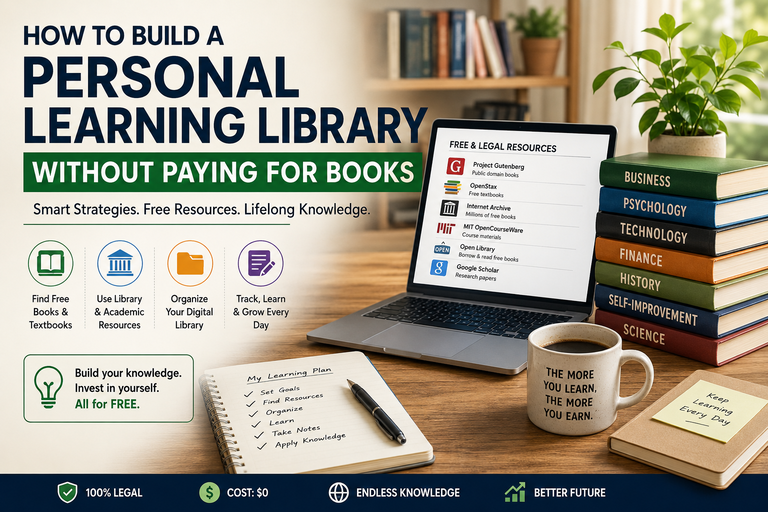
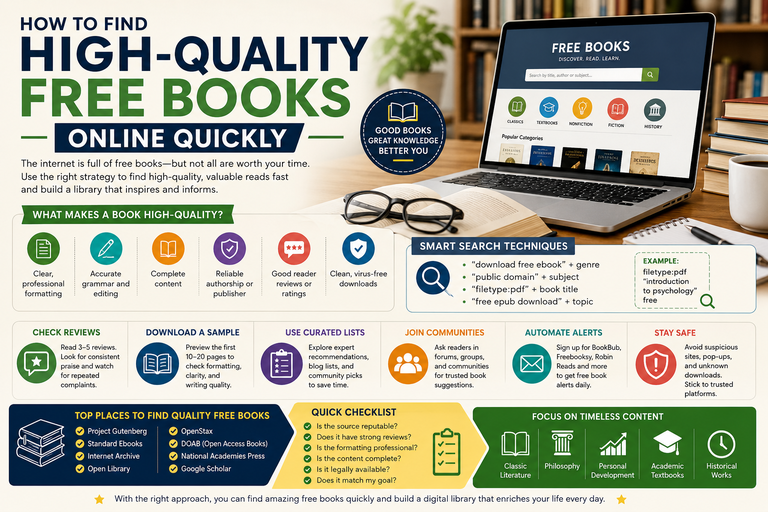
Platforms such as Internet Archive, Project Gutenberg, Directory of Open Access Journals, and Open Library demonstrate how digital access can dramatically expand who gets to learn, what they can learn, and when they can learn it. For lifelong learners those building knowledge across decades rather than semesters this access is transformative.
This article explores how free digital libraries support learners at every age, what makes them effective, the challenges they face, and how to use them strategically.
1) What “Free Digital Libraries” Include and Why They Matter
A “free digital library” can take several forms:
Public Library Digital Collections
Many public library systems provide ebooks, audiobooks, magazines, and research databases accessible with a library card through apps and online portals.
Open-Access Repositories
Platforms like Directory of Open Access Journals index peer-reviewed academic articles that are legally available online without subscription fees.
Digital Archives and Cultural Collections
Institutions such as Internet Archive preserve historical documents, photographs, oral histories, and multimedia collections.
Open Educational Resources (OER)
Organizations like OpenStax provide free textbooks and structured learning materials for formal and independent study.
Volunteer and Mission-Driven Libraries
Project Gutenberg, for example, offers thousands of public-domain ebooks, expanding access to classic literature worldwide.
What unites these models is access. For lifelong learners, access determines possibility. Free digital libraries offer three key advantages:
-
Affordability — little to no cost
-
Convenience — anytime, anywhere access
-
Breadth — materials ranging from beginner guides to advanced research
2) Removing Barriers Across the Lifespan
a) Cost Barriers: Learning Without a Price Tag
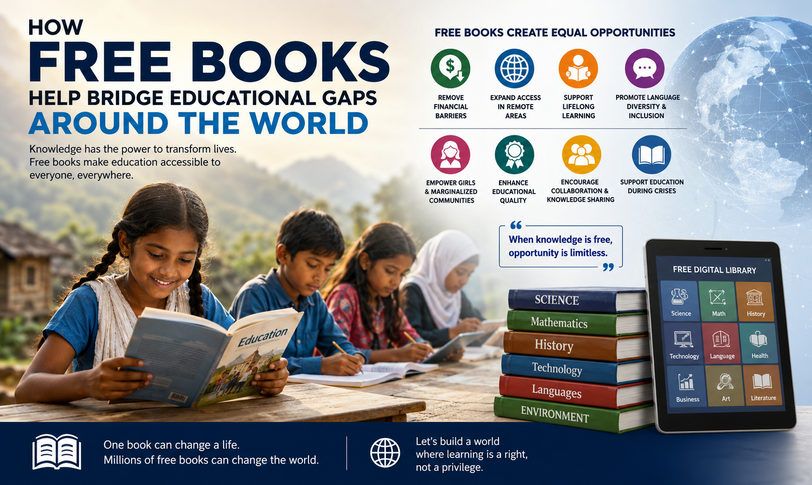
Books, journals, certification prep materials, and courses can be expensive. Free digital libraries reduce or eliminate these costs, enabling exploration before financial commitment. This is especially important for:
-
Retirees on fixed incomes
-
Job seekers and career changers
-
Students needing supplemental resources
-
Parents returning to work
-
Learners in regions where books are scarce
By lowering financial risk, digital libraries encourage experimentation and curiosity.
b) Time Barriers: Learning in Small Pockets
Lifelong learners often juggle work, caregiving, and health responsibilities. Digital access enables:
-
Micro-learning (10–20 minutes at a time)
-
Flexible pacing (pause and resume anytime)
-
Multi-format engagement (read, listen, watch)
Audiobooks allow learning during commutes, exercise, or household tasks—turning fragmented time into productive learning moments.
c) Geographic Barriers: Access Beyond Buildings
Not everyone lives near a well-funded physical library. Digital collections allow:
-
Rural learners to access modern resources
-
Remote workers and travelers to continue reading
-
People with mobility challenges to learn without transportation hurdles
Geography becomes less of a constraint.
d) Social Barriers: Low-Pressure Learning
For those who had negative school experiences, traditional classrooms can feel intimidating. Digital libraries make learning:
-
Private
-
Self-paced
-
Self-directed
Autonomy rebuilds confidence and supports curiosity at any age.
3) Supporting Learners at Every Stage of Life
Lifelong learning evolves over time. Free digital libraries adapt to these changing needs.
Children and Teens: Building Foundations
Digital libraries provide:
-
Age-appropriate ebooks and audiobooks
-
Homework help databases
-
Illustrated nonfiction and language learning tools
-
Exam preparation materials
Early access to credible sources strengthens literacy and research habits.
College Students: Supplementing Formal Education
Students benefit from:
-
Open textbooks via initiatives like OpenStax
-
Open-access journals through Directory of Open Access Journals
-
Research databases offered by public libraries
These tools reduce textbook costs and increase research independence.
Working Adults: Upskilling and Reskilling
Career mobility requires continuous learning. Digital libraries support:
-
Leadership and communication development
-
Technical skills (IT, programming, data analysis)
-
Business fundamentals (finance, marketing, management)
-
Certification and exam preparation
Learners can explore new industries before committing to expensive training programs.
Parents and Caregivers: Just-in-Time Learning
Parents often need practical knowledge immediately. Digital libraries offer:
-
Parenting guides
-
Mental health resources
-
Early literacy materials
-
Budgeting and household management support
-
Information on aging and caregiving
Access empowers informed decision-making.
Older Adults: Enrichment and Cognitive Health
Learning supports healthy aging. Digital libraries provide:
-
Adjustable font sizes and accessible formats
-
Audiobooks and narrated nonfiction
-
History, biography, and lifelong interest topics
-
Online book clubs and lectures
Engagement reduces isolation and sustains intellectual vitality.
4) Multi-Format Learning for Diverse Styles
Free digital libraries increasingly support multiple learning modalities:
-
Ebooks — searchable and portable
-
Audiobooks — accessible and convenient
-
Magazines and newspapers — enhance media literacy
-
Video lectures and documentaries — clarify complex topics
-
Interactive language and skill tools — structured practice
-
Primary source archives — build research and analytical skills
This flexibility sustains engagement across decades.
5) Strengthening “Learning to Learn” Skills
Beyond content, digital libraries cultivate essential competencies.
Information Literacy
Learners practice:
-
Evaluating source credibility
-
Identifying bias
-
Detecting misinformation
-
Cross-referencing claims
In an algorithm-driven information landscape, these skills are indispensable.
Research and Critical Thinking
Access to original research and primary documents encourages deeper inquiry beyond headlines or summaries.
Self-Directed Learning
Users develop the ability to:
-
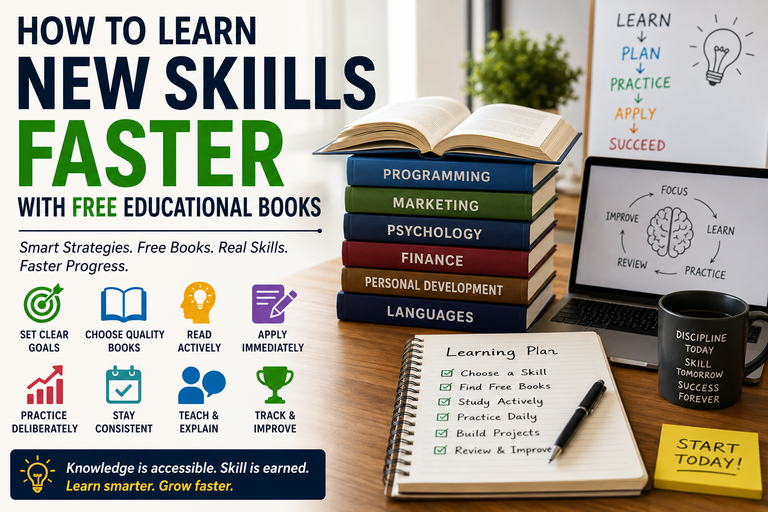
Set goals
-
Select materials
-
Manage time
-
Track progress
These habits transfer across subjects and stages of life.
6) Accessibility and Inclusion
When thoughtfully designed, digital libraries support broader participation through:
-
Adjustable text and dyslexia-friendly layouts
-
Screen reader compatibility
-
Text-to-speech functionality
-
Captions and transcripts
-
Multilingual collections
-
Remote access for those unable to visit physical branches
Such features ensure that learning is not limited by disability, language, location, or income.
7) Community-Level Impact
Free digital libraries function as public learning infrastructure.
Equity and Social Mobility
By removing cost barriers, they:
-
Support workforce development
-
Help close achievement gaps
-
Expand educational opportunity
Civic Engagement
Reliable resources on history, science, law, and public policy foster informed participation and democratic resilience.
Cultural Preservation
Digital archives safeguard shared memory, enabling intergenerational research and access to rare materials.
8) Challenges and Limitations
Despite their power, free digital libraries face obstacles:
The Digital Divide
Access still requires internet connectivity, devices, and digital literacy.
Licensing Restrictions
Ebook lending often involves limited copies and waitlists.
Discoverability
Vast collections can overwhelm users without guidance.
Quality Variability
Not all open resources are equally rigorous or beginner-friendly.
Even so, the benefits remain transformative.
9) Using Free Digital Libraries Effectively
To maximize value:
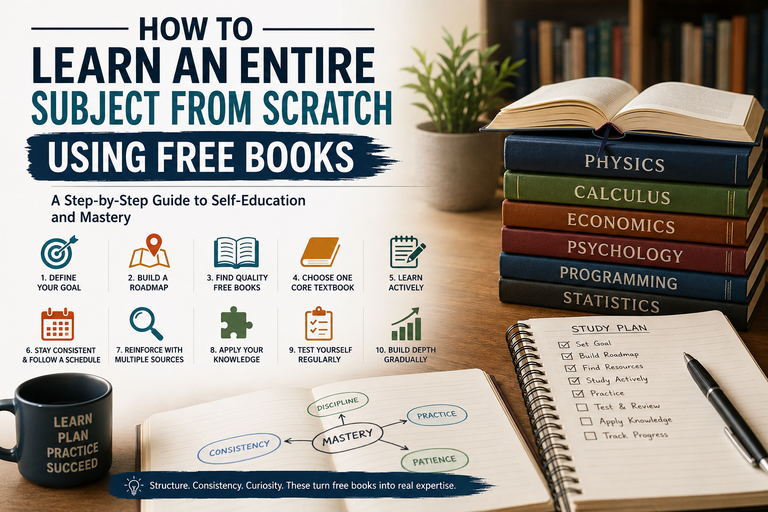
Start with a goal, not just a topic.
Example: “Improve public speaking” or “Understand investing basics.”
Build a three-level resource stack:
-
Introductory overview
-
Practical how-to guide
-
Deeper specialized reference
Mix formats.
Read at night, listen while commuting, skim articles for refreshers.
Track insights.
Keep notes, highlights, or a simple learning journal.
Seek guidance.
Many public libraries offer virtual assistance and curated lists.
Join a community.
Book clubs and discussion groups increase accountability and motivation.
10) The Future of Free Digital Libraries
As technology evolves, digital libraries are likely to expand through:
-
Improved accessibility tools
-
Smarter search and recommendation systems
-
Growth in open textbooks and research
-
Partnerships with workforce programs
-
Expanded multilingual collections
Their continued impact depends on sustainable funding, fair licensing models, strong privacy protections, and inclusive design.
Conclusion
Free digital libraries are more than repositories of content they are engines of opportunity. They help children discover reading, students succeed academically, adults pivot careers, parents solve daily challenges, and older adults remain intellectually active. By making knowledge affordable, flexible, and inclusive, they serve as quiet but powerful infrastructure for lifelong learning.
In an age of rapid change, the ability to keep learning is one of the most valuable skills a person can have. Free digital libraries ensure that opportunity does not expire with age, income, or geography. They empower individuals to keep growing on their own terms, at every stage of life