How Self-Learners Use Free Books to Change Careers
In today's rapidly evolving job market, changing careers is no longer reserved for people who can afford expensive degrees, professional certifications, or months of full-time study. Increasingly, career transitions are being powered by self-learning and at the center of that journey are free books.
Thousands of professionals have successfully moved from one field to another by using freely available educational resources to acquire new knowledge, develop practical skills, and demonstrate their value to employers. Whether someone is transitioning from retail to administration, customer service to project management, or a non-technical role into technology, free books can serve as a powerful foundation for career transformation.
The secret is not simply reading more books. The real advantage comes from using free books strategically to understand industries, build in-demand skills, create practical experience, and position yourself as a capable candidate for new opportunities.
The Rise of Self-Learning as a Career Development Strategy
The traditional path to a new career often involved returning to school, enrolling in costly training programs, or earning another degree. While these options remain valuable, they are no longer the only route.
Today, employers increasingly value demonstrated skills, practical experience, adaptability, and a willingness to learn independently. This shift has created opportunities for self-learners who can acquire knowledge through books, online resources, and hands-on projects.
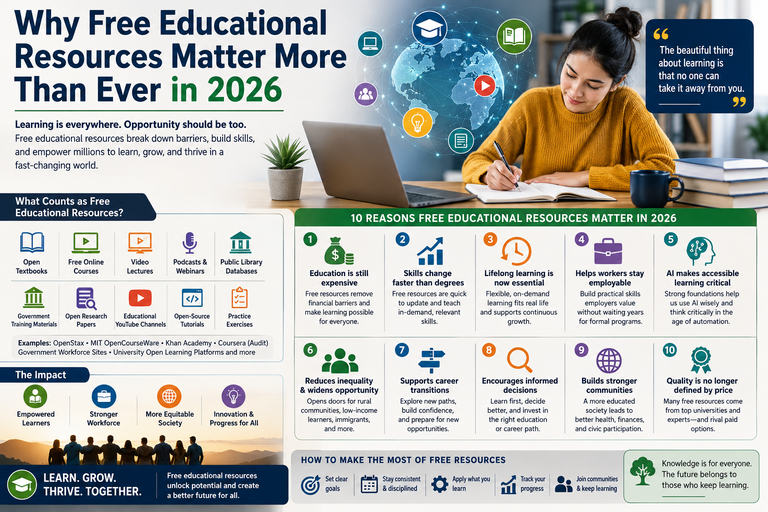
Free educational books provide access to structured learning that was once available only through formal institutions. They allow individuals to learn at their own pace, explore career options, and build confidence before making major financial commitments.
For many people, a career change starts with curiosity and a free book is often the first step.
Why Free Books Are So Effective for Career Changers
Low-Risk Career Exploration
One of the biggest challenges in changing careers is uncertainty. People often invest significant time and money into a field only to discover it isn't what they expected.
Free books eliminate much of this risk.
Before committing to a new path, self-learners can explore questions such as:
- Do I genuinely enjoy this field?
- What does the work actually involve?
- Can I see myself doing this long-term?
- What skills will I need to succeed?
- How much additional training might be required?
By reading introductory materials, learners gain a realistic understanding of a profession before making major commitments.
Structured Learning Without Formal Classes
Unlike scattered internet searches, quality books provide a logical progression of concepts.
Books typically introduce foundational knowledge first, then gradually build toward more advanced topics. This structured approach helps self-learners avoid confusion and creates a clear roadmap for growth.
Instead of asking, "What should I learn next?" learners can simply follow the sequence laid out by the book.
Development of Self-Directed Learning Skills
Employers value people who can learn independently.
When individuals teach themselves through books, they develop important workplace skills such as:
- Initiative
- Problem-solving
- Critical thinking
- Discipline
- Adaptability
- Resourcefulness
These traits remain valuable long after the career transition is complete.
Types of Free Books That Support Career Change
Not all books contribute equally to a successful career transition. The most effective resources generally fall into several categories.
1. Foundational Skills Books
These books strengthen universal workplace competencies that apply across industries.
Examples include:
- Business communication
- Professional writing
- Grammar and editing
- Mathematics and statistics
- Computer literacy
- Spreadsheet fundamentals
- Digital skills
Strong foundational skills make it easier to learn specialized knowledge later.
2. Industry-Specific Textbooks
These books explain the core concepts, terminology, and frameworks used within a profession.
Examples include:
- Accounting
- Marketing
- Project management
- Human resources
- Information technology
- Healthcare support
- Supply chain management
- Business administration
- Software development
Industry textbooks help learners understand how professionals think and communicate.
3. Practical Skills Manuals
These resources focus on execution rather than theory.
They often teach:
- Email communication
- Report writing
- Data analysis
- Software operation
- Project planning
- Troubleshooting techniques
- Customer service processes
Practical books help transform knowledge into workplace capability.
4. Personal Development and Professional Growth Books
Career success depends on more than technical skills.
Books on professional development can strengthen:
- Time management
- Productivity
- Leadership
- Discipline
- Strategic thinking
- Communication
- Workplace professionalism
These skills often distinguish high-performing employees from average performers.
Where Self-Learners Find Free Educational Books
Numerous reputable platforms provide access to high-quality educational materials.
Some of the most popular sources include:
- OpenStax
- Project Gutenberg
- Internet Archive
- Open Library
- University open-course repositories
- Government workforce development portals
- Public library digital lending services
- Open educational resource platforms
- Publisher websites offering open-license textbooks
The goal is to focus on legal, credible, and professionally relevant materials.
Step 1: Define a Specific Career Goal
A common mistake among career changers is pursuing vague objectives.
Saying:
"I want a better job."
is far less effective than saying:
"I want to become a project coordinator."
or
"I want to transition into data analysis."
Specific goals help determine:
- What skills to learn
- Which books to read
- Which projects to complete
- Which employers to target
Clarity creates direction.
Step 2: Identify Your Skill Gap
Once a target career has been selected, compare your current abilities with job requirements.
Useful sources include:
- Job advertisements
- Industry websites
- Professional networking profiles
- Career guides
- Informational interviews
Ask yourself:
- What skills do I already possess?
- What knowledge am I missing?
- Which skills are essential?
- Which skills are optional?
This analysis prevents wasted effort and focuses learning on what employers actually need.
Example: Project Coordinator
Typical requirements might include:
- Written communication
- Scheduling
- Task management
- Spreadsheet proficiency
- Team collaboration
- Meeting coordination
- Documentation
This immediately suggests which books should be prioritized.
Step 3: Build a Focused Learning Library
Many self-learners fail because they collect resources instead of following a plan.
A focused learning library often contains:
- One foundational industry book
- One communication book
- One practical skills guide
- One productivity book
- One complementary skill resource
Sample Office Administration Learning Stack
- Business communication handbook
- Professional writing guide
- Spreadsheet fundamentals
- Introduction to project management
- Time management resource
Sample Technology Learning Stack
- IT fundamentals textbook
- Troubleshooting guide
- Networking basics
- Workplace communication book
- Problem-solving manual
The objective is not to read everything. The objective is to read what matters.
Step 4: Read Like a Professional, Not a Hobbyist
Reading for entertainment and reading for career advancement are very different activities.
Professional reading involves:
Taking Structured Notes
Record:
- Key concepts
- Definitions
- Procedures
- Insights
- Questions
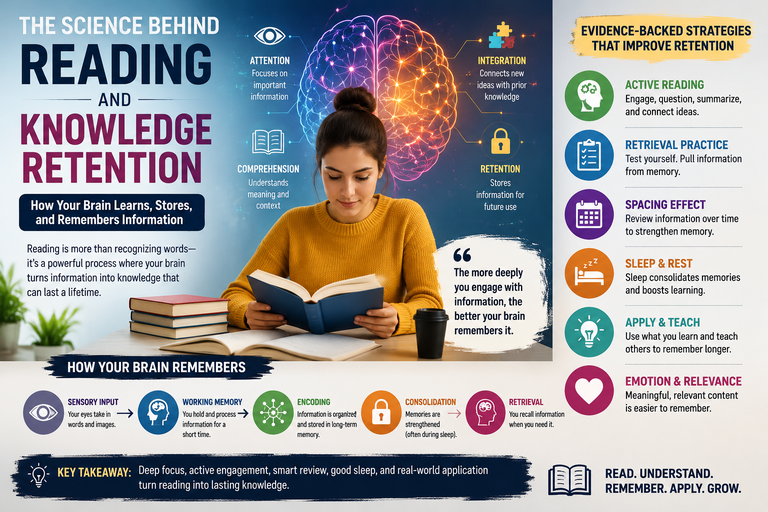
Writing ideas in your own words improves retention and understanding.
Focusing on Applications
After each chapter, ask:
- How would this be used at work?
- What problem does this solve?
- Can I practice this skill immediately?
Teaching What You Learn
Explaining concepts to others reinforces understanding and reveals knowledge gaps.
If you can teach a concept clearly, you are more likely to apply it successfully.
Step 5: Turn Knowledge Into Practice
Reading alone rarely changes careers.
Practical application is what transforms learning into employable skills.
Communication Learners
Practice by:
- Writing professional emails
- Creating reports
- Drafting business memos
- Producing meeting summaries
Spreadsheet Learners
Practice by:
- Building budgets
- Creating trackers
- Organizing datasets
- Producing charts
Project Management Learners
Practice by:
- Creating project plans
- Building schedules
- Tracking milestones
- Managing personal projects
Technology Learners
Practice by:
- Building small projects
- Following tutorials
- Solving technical problems
- Creating documentation
Practice creates competence.
Step 6: Build a Portfolio That Demonstrates Ability
Employers hire people who can perform, not people who simply consume information.
A portfolio provides evidence of capability.
Potential portfolio items include:
- Writing samples
- Reports
- Project plans
- Spreadsheets
- Dashboards
- Research summaries
- Process documents
- Presentations
- Design samples
- Code projects
Example Portfolio for Project Coordination
A candidate could create:
- Project schedule
- Risk assessment log
- Task tracker
- Meeting agenda
- Project summary report
Such materials demonstrate practical understanding and initiative.
Step 7: Convert Learning Into Resume Value
Many self-learners underestimate the importance of framing their work professionally.
Instead of writing:
"Studied project management."
Consider:
"Developed project timelines, task tracking systems, and workflow documentation through self-directed project planning studies."
Instead of:
"Learned spreadsheets."
Consider:
"Created spreadsheet-based tracking and reporting tools for planning and organization projects."
This language emphasizes outcomes rather than activities.
Step 8: Use Books to Strengthen Interview Performance
Books provide frameworks, terminology, and examples that improve interview confidence.
They help candidates discuss:
- Problem-solving approaches
- Organizational methods
- Communication practices
- Learning strategies
- Adaptability
- Project experiences
When discussing a career change, candidates can confidently explain how they proactively developed relevant skills through self-directed learning and practical projects.
This demonstrates initiative and commitment.
Step 9: Combine Learning With Networking
Books provide knowledge, but professional relationships create opportunities.
Use your learning to engage in:
- Professional networking platforms
- Industry forums
- Community groups
- Volunteer opportunities
- Professional associations
- Informational interviews
Knowledge makes networking more effective because it enables meaningful conversations and informed questions.
Step 10: Continue Learning After Landing the Job
Successful career changers rarely stop learning after being hired.
Instead, they continue using books to:
- Expand expertise
- Improve communication
- Develop leadership skills
- Stay current with industry changes
- Learn emerging technologies
- Prepare for promotions
Continuous learning creates long-term career growth.
Real-World Career Change Scenarios
Retail to Administrative Support
A retail employee might study:
- Office administration
- Business communication
- Spreadsheet skills
- Time management
Then create:
- Sample reports
- Email templates
- Tracking spreadsheets
- Organizational systems
These projects provide evidence of office-readiness.
Customer Service to Project Coordination
Customer service professionals already possess valuable interpersonal skills.
By studying project management concepts, they can add:
- Scheduling
- Documentation
- Workflow management
- Risk awareness
- Resource planning
This combination creates a strong foundation for coordination roles.
Operations to Office Management
Workers with logistics experience can enhance their careers through books covering:
- Reporting
- Documentation
- Software systems
- Data management
- Business communication
This transition often feels natural because many operational skills already transfer well.
Non-Technical Roles to IT Support
Through free IT books, learners can study:
- Computer hardware
- Operating systems
- Troubleshooting
- Networking basics
- Customer support processes
Combined with practical exercises, this can create a pathway into entry-level technical support roles.
Common Mistakes Career Changers Make
Reading Too Much Without Direction
Information overload often slows progress.
Starting With Advanced Materials
Complex resources can create frustration and confusion.
Ignoring Practical Application
Knowledge without action rarely produces results.
Choosing Books Unrelated to Career Goals
Learning should support a specific outcome.
Neglecting Soft Skills
Technical expertise alone is rarely enough.
Failing to Document Progress
Without evidence of learning, achievements become difficult to showcase.
The Soft Skills Employers Notice Most
Across industries, employers consistently value:
- Communication
- Reliability
- Professionalism
- Initiative
- Adaptability
- Teamwork
- Problem-solving
- Time management
Many free books help strengthen these competencies, making them valuable regardless of career path.
Signs Your Self-Learning Strategy Is Working
You are making meaningful progress when:
- You understand job descriptions more easily.
- You can explain industry concepts confidently.
- You complete practical projects regularly.
- Your portfolio continues to grow.
- Your resume becomes stronger.
- Interviews feel less intimidating.
- You feel increasingly capable rather than simply informed.
Remember: progress is measured by capability, not pages read.
A Simple Career-Change Formula
Many successful self-learners follow a straightforward process:
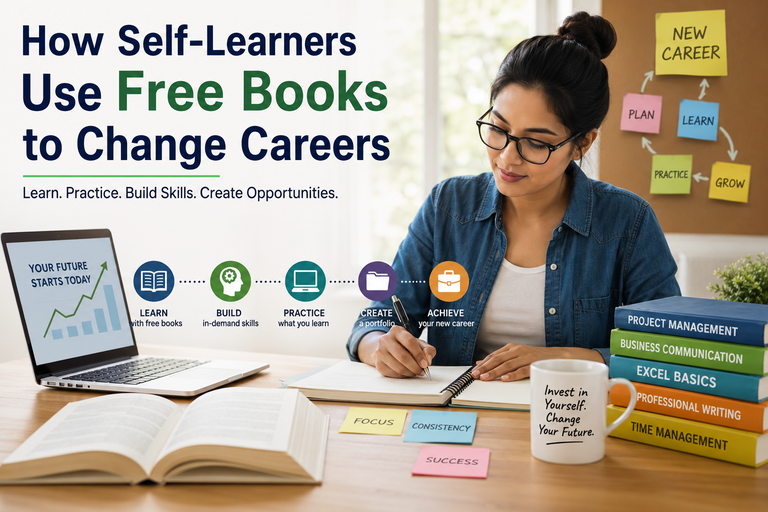
Career Goal + Skill Gap Analysis + Focused Reading + Practical Application + Portfolio Development + Job Applications
For example:
- Choose a target role.
- Identify missing skills.
- Read relevant free books.
- Practice those skills consistently.
- Build evidence of competence.
- Apply for opportunities confidently.
When followed consistently, this process can transform free educational resources into real career opportunities.
Final Thoughts
Free books have become one of the most powerful tools available to modern career changers. They provide affordable access to knowledge, help learners explore new professions, and create pathways into industries that once seemed inaccessible.
However, success does not come from reading alone.
The most successful self-learners approach books as career-building tools. They read with purpose, practice consistently, create evidence of their skills, and continue learning long after securing their first role in a new field.
Career transformation is not simply about consuming information. It is about turning knowledge into capability.
For self-learners willing to take action, free books can become the first chapter of an entirely new professional future.