How to Choose a Course to Study: A Practical Guide for Students
Choosing a course to study is one of the most important decisions a student will ever make. It shapes not only what you learn, but also the skills you develop, the careers you can access, the confidence you build, and even the professional network you grow over time.
Yet many students make this decision too quickly following friends, trends, or family pressure without enough research or self-reflection. Others pick a course because it sounds impressive, only to discover later that they dislike the daily work or struggle to see clear career outcomes.
A “good” course is not simply popular or prestigious. It is one that aligns with your interests, strengths, opportunities, and long-term plans.
This practical guide walks you through a step-by-step process to help you choose a course with clarity and confidence especially if you are still exploring and want to avoid wasting time, money, or motivation.
Why Students Often Choose the Wrong Course
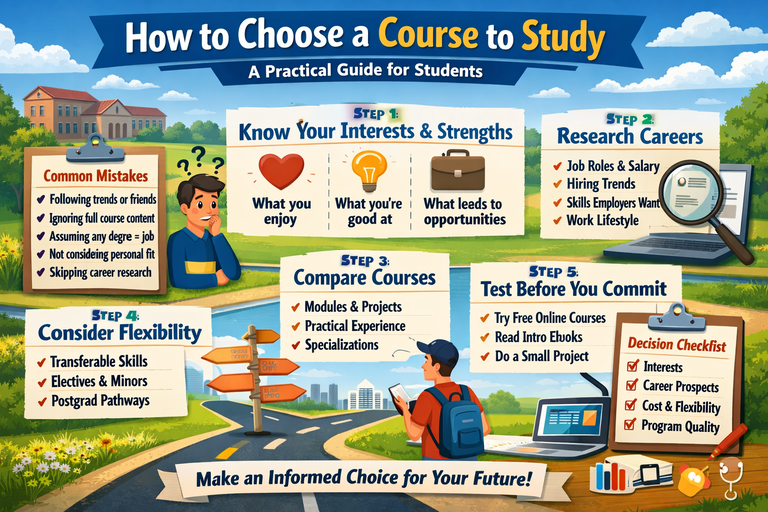
Before diving into the solution, it’s important to understand the common mistakes students make when selecting a course:
-
Choosing based on popularity (“Everyone is doing it.”)
-
Choosing based on a single subject without understanding the full program
-
Assuming a course guarantees a job without researching real hiring trends
-
Ignoring personal fit, such as learning style, stress tolerance, or interest in daily tasks
-
Skipping course content research (modules, assessments, workload)
-
Overlooking flexibility and future career pivots
A better approach is to treat course selection like a decision project: gather information, test assumptions, compare options, and commit with a clear plan.
Step-by-Step Course Selection Guide
Step 1: Know Your Interests and Strengths
The best course choices usually sit at the intersection of three things:
-
What you enjoy learning
-
What you are good at (or can become good at with effort)
-
What leads to real opportunities
How to Identify Your Interests
Ask yourself:
-
Which subjects do I willingly spend extra time on?
-
What topics do I search for online even when there is no exam?
-
If I had to teach one topic to others, what would it be?
Look for patterns, not one-off moments. A single good grade does not always signal long-term interest.
How to Identify Your Strengths (Beyond Grades)
Strengths are not limited to academic scores. They can be practical, interpersonal, or creative:
-
Analytical thinking (math, logic, problem-solving)
-
Communication (writing, speaking, explaining ideas)
-
Creativity (design, innovation, content creation)
-
People skills (support, leadership, teamwork)
-
Attention to detail (accuracy, organization, process)
-
Hands-on ability (lab work, tools, repair, building)
Useful exercise: Write down five tasks that feel “easy” to you but difficult for others. These often reveal natural strengths.
Step 2: Research Career Outcomes
A course is not only about what you study—it’s about what it prepares you to do after graduation.
What to Research for Each Course
-
Common job roles graduates enter
-
Industries that hire (private sector, public sector, NGOs, startups)
-
Entry-level requirements (internships, portfolios, certifications, licenses)
-
Salary ranges and growth potential (where available)
-
Demand trends (growing, stable, or declining fields)
-
Work lifestyle (hours, stress level, remote options, travel)
A Helpful Reality Check
Instead of asking, “Can I get a job?”, ask:
-
How competitive is entry-level hiring?
-
What proof do employers want besides the degree?
-
What skills must I build during my course to stand out?
Tip: Search for job listings related to the course in your country or region. The skills and tools listed in job descriptions are strong clues about what you should be learning.
Step 3: Compare Course Content—Not Just Course Titles
Two institutions can offer the same course title but deliver completely different learning experiences.
What to Compare
-
Core modules versus electives
-
Practical components (labs, teaching practice, placements, internships)
-
Assessment style (exams, projects, presentations, group work)
-
Tools and software taught (especially in IT, business, design, analytics)
-
Specializations offered (e.g., cybersecurity, marketing, public health)
-
Capstone projects (often the foundation of your portfolio)
Where to Find This Information
-
Department websites and program handbooks
-
Module catalogs and syllabi
-
Student forums and alumni feedback
-
Open days, webinars, or emails to departments
Rule of thumb: If you cannot find a clear module list, be cautious. Transparency often signals program quality and maturity.
Step 4: Consider Future Flexibility
Careers today are rarely straight lines. Many graduates change roles, industries, or specializations over time.
What Makes a Course Flexible?
-
Broad foundational skills (communication, analysis, problem-solving)
-
Electives or minors
-
Pathways to postgraduate study or certifications
-
Skills transferable across industries
Examples of Flexible Course Combinations
-
Business + data skills (marketing analytics, finance, operations)
-
IT + healthcare (health informatics)
-
Education + technology (e-learning, instructional design)
-
Psychology + HR or marketing (people operations, consumer behavior)
-
Biology + computing (bioinformatics)
Key question: If you change your mind in year two, will this course still leave you with valuable, transferable skills?
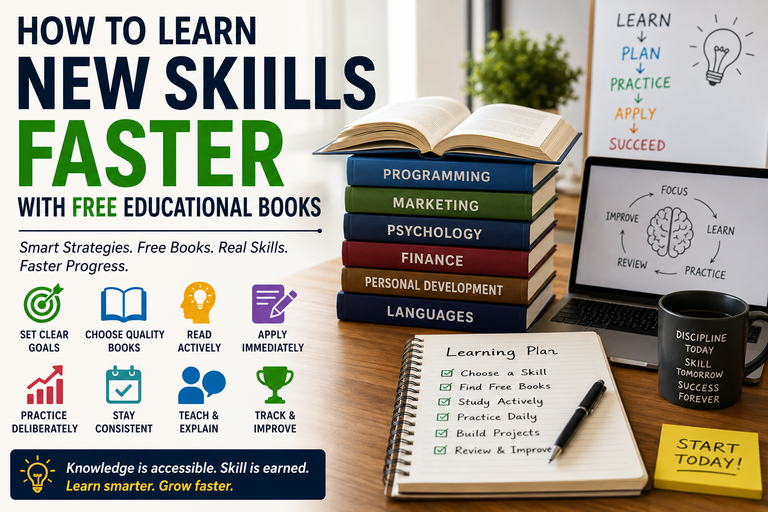
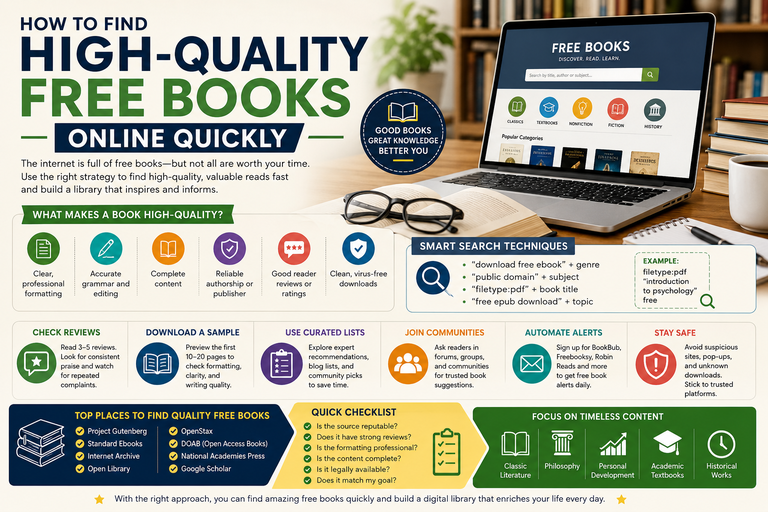
Step 5: Use Free Learning Resources Before Committing
One of the smartest ways to avoid regret is to test a field before investing years into it.
Why This Works
A course name may sound exciting, but the real work may not suit you:
-
You may like the idea of law but dislike intensive reading and argument writing.
-
You may like “technology” but struggle with debugging and detail-heavy tasks.
-
You may like healthcare but find stress, shift work, or biology overwhelming.
How to Use Free Learning Resources Effectively
-
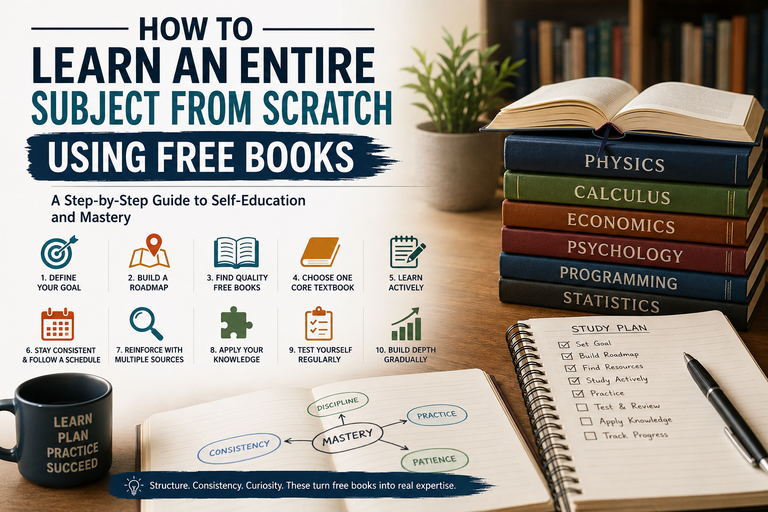
Read an introductory ebook or open textbook.
-
Complete a beginner online course (5–10 hours is enough).
-
Try a small project similar to what students or professionals do.
A Simple 7-Day Field Test
-
Day 1–2: Read field overviews and introductions
-
Day 3–4: Complete beginner lessons
-
Day 5–6: Build a small project (report, lesson plan, spreadsheet, simple app)
-
Day 7: Reflect—did you enjoy the process enough to do this long-term?
Fields You Can Explore with Free Ebooks
Free learning resources are especially helpful for exploring:
-
Business (management, marketing, entrepreneurship, accounting basics)
-
IT (programming, networking, cybersecurity, data fundamentals)
-
Healthcare (public health, anatomy basics, nursing foundations where appropriate)
-
Education (teaching methods, classroom management, learning psychology)
This approach is invaluable for students without access to career counseling or paid guidance.
A Practical Decision Framework
Shortlist three to five courses and score each from 1 to 5 on:
-
Interest (Would I enjoy this daily?)
-
Strength fit (Do my abilities align with the work?)
-
Career clarity (Do I understand job outcomes?)
-
Market opportunity (Local or remote demand)
-
Cost and time commitment
-
Flexibility (Ability to pivot or specialize)
-
Program quality (facilities, teaching, placements)
-
Personal constraints (location, family, health)
The goal is not perfection it is to make trade-offs visible and informed.
Questions to Ask Before Finalizing
Ask Yourself
-
What kind of problems do I enjoy solving?
-
Do I prefer working with people, data, systems, or ideas?
-
Do I like structured tasks or open-ended projects?
-
What type of stress can I handle long-term?
-
Am I prepared for licensing or extended training if required?
Ask Current Students or Graduates
-
What surprised you about the course?
-
Which modules were hardest and why?
-
What do students struggle with most?
-
What skills did you need outside the curriculum?
-
What would you do differently if starting again?
Ask the Department (If Possible)
-
What are recent graduate outcomes?
-
Are internships guaranteed or competitive?
-
What academic support is available?
-
What tools and software are taught?
Final Thoughts: Choose a Course, Not a Fantasy
A strong course decision is grounded in:
-
Self-awareness (interests and strengths)
-
Career research (real outcomes, not promises)
-
Content comparison (what you will actually study)
-
Flexibility planning (room to grow and pivot)
-
Low-risk testing (free ebooks and beginner courses)
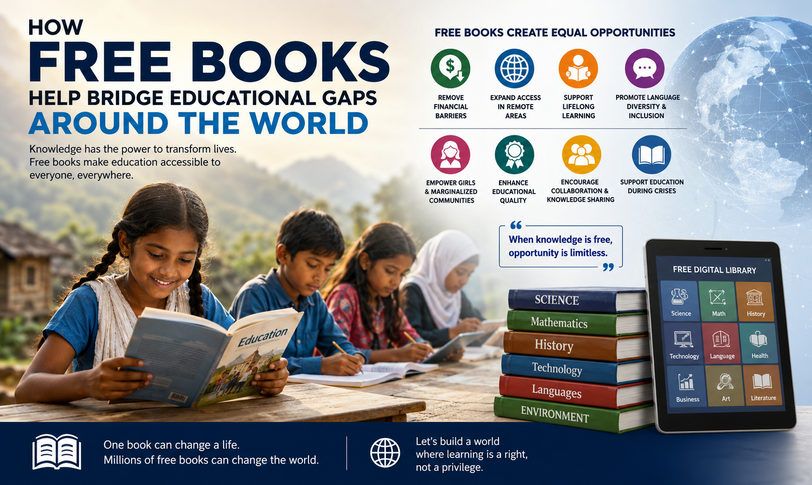
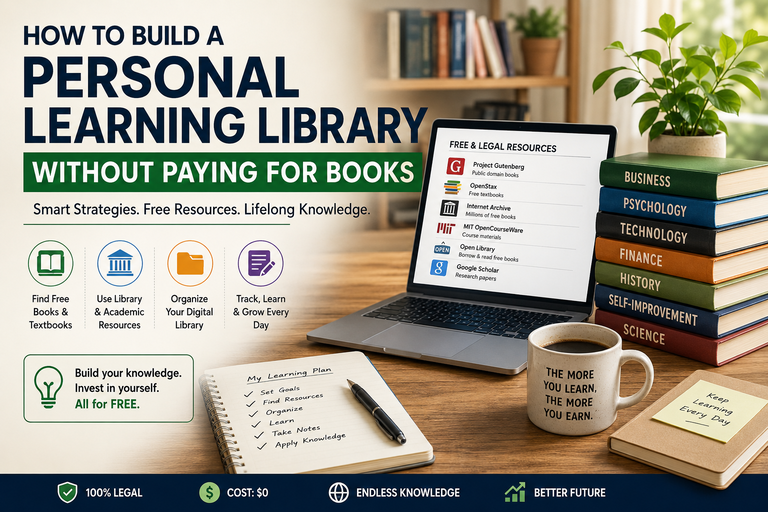
Free ebooks and open learning resources give students a powerful advantage. They allow you to explore fields like business, IT, healthcare, and education before making a long-term commitment reducing regret, saving money, and building confidence.
Choosing a course is not about finding a perfect path. It is about making a thoughtful, informed decision that gives you skills, options, and momentum for the future