
How to Study Smart Without Buying Expensive Textbooks A Practical, High-Impact Guide to Learning More While Spending Less
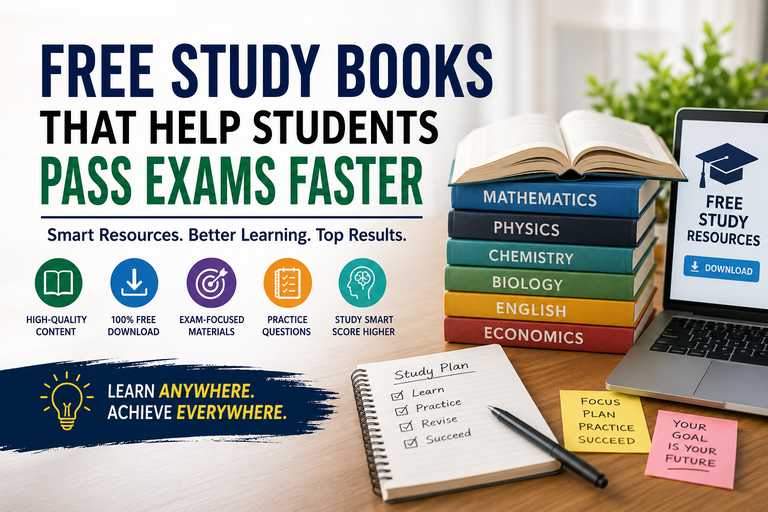
Textbooks can be helpful but they’re often overpriced, inefficient, and not always aligned with what you’re actually tested on. Studying smart is about maximizing results (understanding + performance) with minimal wasted effort and cost.
Here’s a comprehensive, step-by-step system to help you learn effectively without paying full price for expensive books.
1) Start With the Course Targets, Not the Book
Before you spend money or search for resources, identify what success looks like in the course.
What to collect in Week 1:
- Syllabus learning objectives (topics, skills, key terms)
- Grading breakdown (e.g., exams vs assignments vs participation)
- Assessment format (MCQs, essays, problem-solving, labs)
- Weekly schedule (what’s covered and when)
Why this works:
Most courses test only a portion of the textbook. If you focus on:
- Lecture slides
- Assignments
- Past exams
- Instructor emphasis
…you’ll likely cover 80–90% of what matters.
Action Step:
Create a “Test Map”:
- Week-by-week topics
- Required tasks (quizzes, assignments, labs)
- Key skills to master
This becomes your roadmap far more useful than blindly reading a textbook.
2) Use Your Library Like a Pro
Libraries are one of the most underrated academic tools.
High-value resources:
- Course reserves (short-term access to required textbooks)
- E-books via library catalogs
- Interlibrary Loan (ILL) (borrow from other libraries often free)
- Academic databases (great for essays, research-heavy courses)
- Scanners for digitizing key sections
Smart strategy:
If a book is on reserve for limited hours:
- Plan a weekly “reserve sprint”
- Extract only the pages tied to your assignments
You don’t need the whole book just the relevant sections.
3) Ask the Instructor (Most Students Don’t)
This is one of the fastest shortcuts to saving money and time.
Ask questions like:
- “Is the textbook essential for exams, or just a reference?”
- “Which chapters are critical?”
- “Are there free alternatives you recommend?”
- “Can I use an older edition?”
Why it works:
Many instructors will tell you:
- The book is optional
- Lecture notes are enough
- Or suggest free alternatives
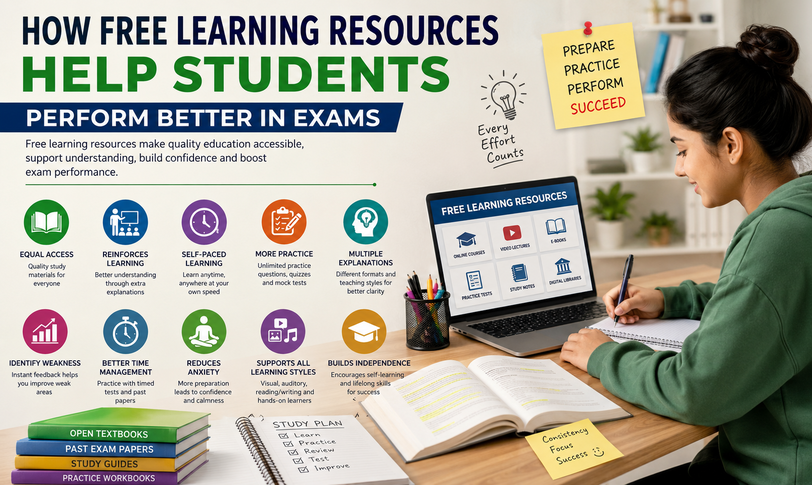
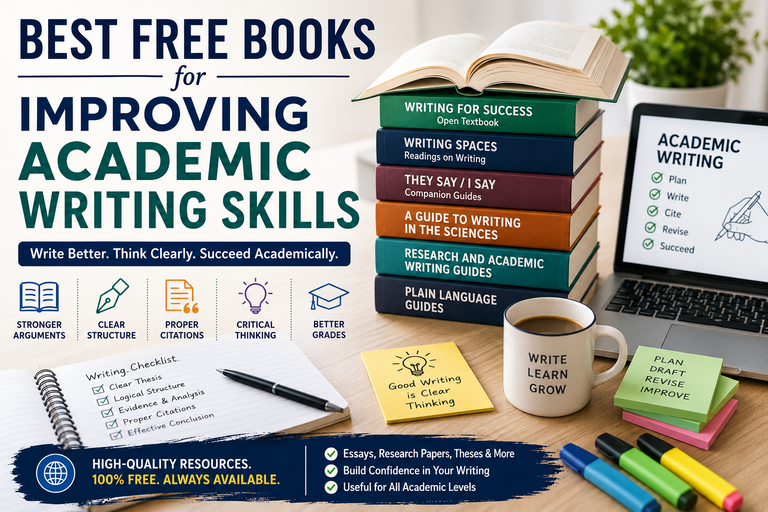
4) Use Open Educational Resources (OER)
Free, high-quality academic content is widely available.
Top platforms:
- OpenStax – Strong for STEM, economics
- LibreTexts – Science, math, social sciences
- MIT OpenCourseWare – Full courses, notes, assignments
- OER Commons – Broad subject coverage
Supplement with:
- Khan Academy
- Coursera / edX (audit for free)
- YouTube lectures (from reputable educators)
Smart usage:
For each topic:
- 1 trusted OER chapter
- 1 set of practice questions
That’s often enough.
5) Don’t Buy New Use Smarter Alternatives
If you must get a textbook, avoid full price.
Better options:
- Used copies
- Older editions (often 80–95% identical)
- Rentals
- Borrowing from classmates or departments
Important tip:
If homework requires an access code, that may be the real cost—not the book.
Ask if there’s an alternative.
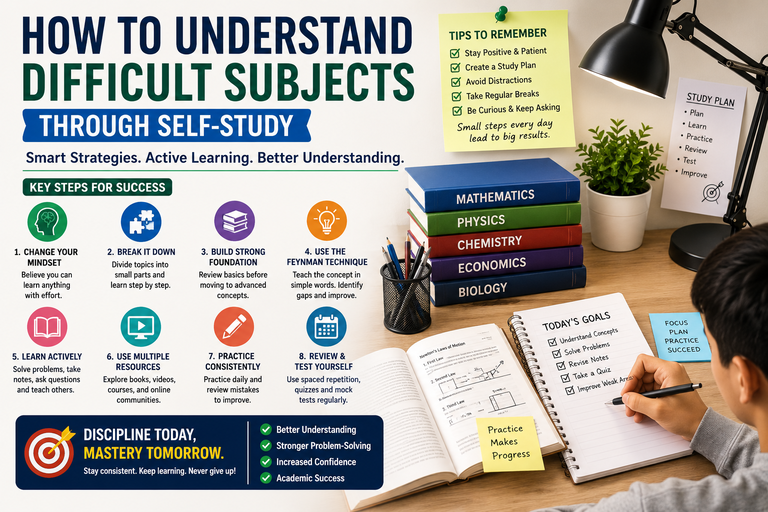
6) Replace Passive Reading With Active Learning
Owning a textbook doesn’t guarantee learning. How you study matters more.
High-impact techniques:
Active Recall
- Close your notes and write what you remember
- Turn headings into questions
Spaced Repetition
- Review over time (Day 1 → Day 3 → Day 7 → Day 14)
Practice Problems
- Attempt before checking solutions
- Keep an error log
Past Exams
- Simulate test conditions
- Identify weak areas
Why this saves money:
You need fewer materials when your methods are effective.
7) Build Your Own “Mini-Textbook”
Instead of buying one, create one tailored to your course.
Template per topic:
- Core summary (5–10 bullet points)
- Key terms & definitions
- Common mistakes
- 2–5 practice questions
- 1 worked example
- Links to related topics
Sources:
- Lecture slides
- OER content
- Videos
- Assignment feedback
This becomes your custom, exam-focused resource.
8) Maximize Free Course Materials
Students often ignore their most valuable resources.
Use these fully:
- Lecture slides & recordings
- Tutorials/discussion sessions
- Assignments & solutions
- Rubrics
- TA sessions
- Office hours
Office hours strategy:
Bring:
- What you tried
- Where you’re stuck
- 2–3 clear questions
You’ll get targeted help fast.
9) Use a Weekly Study System (No Textbook Needed)
Simple, effective workflow:
Before lecture (20–30 min):
- Preview topic using OER or notes
After lecture (30–45 min):
- Active recall summary
- Create 5–10 self-quiz questions
Midweek (45–90 min):
- Practice problems
Weekend (30–60 min):
- Review + error log
- Timed mini-quiz
This system builds consistent mastery without relying on textbooks.
10) Use Study Groups Strategically
Study groups can replace textbooks if done right.
Rules:
- Meet with a clear agenda
- Everyone attempts problems first
- Use teach-back method (explain concepts to each other)
- End with a shared exam summary
Avoid unstructured sessions where one person does all the work.
11) Avoid Pirated PDFs
While tempting, they come with risks:
- Legal and academic consequences
- Malware and scams
- Incomplete or incorrect content
Better alternatives:
- Library access
- OER platforms
- Older editions
- Instructor recommendations
12) If You Spend Money, Spend It Wisely
When payment is unavoidable, prioritize:
- Required access codes (for grading)
- Practice-heavy workbooks
- Affordable used books aligned with your course
Avoid expensive extras unless they directly improve performance.
Example: Replacing a $250 Textbook
Course: Intro Psychology
Instead of buying the textbook:
- Use lecture slides + study guide
- Use OpenStax Psychology
- Turn lecture sections into questions (active recall)
- Practice with quizzes
- Attend office hours weekly
Result: Same learning outcomes, better retention, and huge cost savings.
Key Takeaways
- Studying smart = aligning learning with assessments
- Libraries, OER, and instructors can replace most textbooks
- Active recall, spaced repetition, and practice matter more than materials
- Spend money only when it directly improves your results