How Digital Libraries Support Students in Remote Areas
Education is one of the most powerful drivers of personal growth, social development, and economic progress. However, millions of students around the world continue to face significant obstacles in accessing quality educational resources, particularly those living in remote and rural areas. Geographic isolation, inadequate infrastructure, underfunded schools, and limited access to learning materials often place these students at a disadvantage compared to their urban counterparts.
For decades, physical libraries have played a crucial role in providing access to knowledge. Yet in many remote communities, libraries are scarce, poorly stocked, or entirely absent. Even where educational institutions exist, students may struggle to obtain current textbooks, reference materials, and academic resources necessary for effective learning.
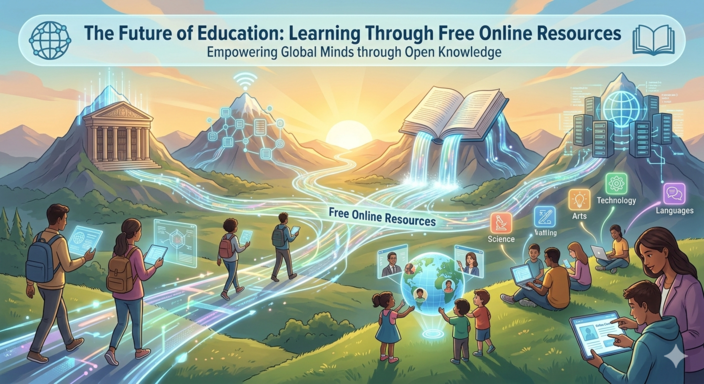
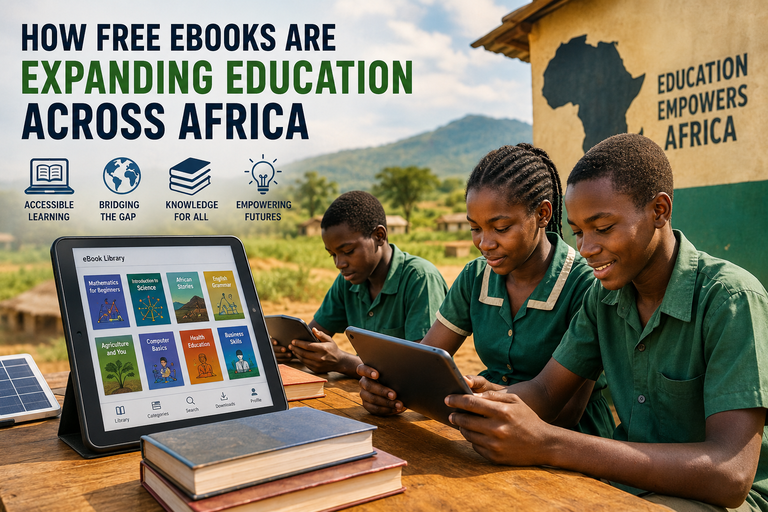
The rise of digital libraries is helping to change this reality. By leveraging internet connectivity, mobile technology, and cloud-based platforms, digital libraries make vast collections of educational materials available to learners regardless of location. From eBooks and research journals to multimedia lessons and interactive learning resources, digital libraries are expanding educational opportunities and reducing barriers that have long limited academic success in remote regions.
This article explores how digital libraries support students in remote areas, the benefits they provide, the challenges they help overcome, and their long-term impact on educational equity and community development.
Understanding the Educational Challenges of Remote Areas
Students living in remote areas often encounter obstacles that significantly affect their educational experiences.
Limited Access to Physical Libraries
In many rural communities, public and school libraries are either unavailable or poorly equipped. Students may have access to only a small collection of books, many of which are outdated or insufficient to meet curriculum requirements.
Without adequate library resources, learners struggle to:
- Conduct research
- Complete assignments
- Explore new subjects
- Develop independent learning habits
Shortage of Updated Learning Materials
Educational materials in remote schools are frequently outdated. Textbooks may be shared among several students, and schools often lack resources for replacing older editions.
As a result, students may not receive current information, particularly in rapidly evolving subjects such as science, technology, and economics.
Transportation and Geographic Barriers
Traveling to educational centers, libraries, or bookstores may require long journeys that are costly, time-consuming, and sometimes dangerous.
Poor road networks, difficult terrain, and seasonal weather conditions can further isolate communities from educational opportunities.
Teacher Shortages
Many remote schools face challenges attracting and retaining qualified educators. Students may have limited access to specialized subject instruction, reducing their opportunities to develop advanced academic skills.
Infrastructure Constraints
Reliable electricity, internet connectivity, and technological equipment remain limited in some rural areas. These challenges can restrict access to educational resources and learning opportunities.
Digital libraries are increasingly helping to address many of these barriers.
What Are Digital Libraries?
A digital library is an organized online collection of educational resources that can be accessed electronically through computers, tablets, smartphones, and other digital devices.
Unlike traditional libraries, digital libraries are not constrained by physical space or geographic location. Users can access thousands or even millions of resources from virtually anywhere.
Digital libraries often contain:
- eBooks
- Digital textbooks
- Academic journals
- Research papers
- Educational videos
- Audio books
- Interactive learning modules
- Open Educational Resources (OER)
- Multimedia content
- Reference materials
Many platforms also provide offline access features, enabling users to download content for later use without an active internet connection.
Expanding Access to Learning Materials
Perhaps the most significant contribution of digital libraries is their ability to dramatically expand access to educational resources.
Unlimited Learning Opportunities
Traditional libraries can only house a limited number of books and materials. Digital libraries, however, can store vast collections of content covering virtually every academic subject.
Students in remote areas gain access to:
- School textbooks
- Reference books
- Academic publications
- Skills-training materials
- Exam preparation guides
- Career development resources
This wealth of information broadens educational opportunities and supports deeper learning.
Equalizing Educational Opportunities
Digital libraries help reduce disparities between urban and rural education systems.
Students in remote communities can access the same quality resources used by learners in major cities and leading educational institutions. This equal access contributes to:
- Improved academic performance
- Better examination preparation
- Stronger research skills
- Increased confidence in learning
By making high-quality educational materials universally available, digital libraries promote educational fairness and inclusion.
Overcoming Geographic Isolation
Geographic isolation has traditionally limited educational access in remote regions. Digital libraries help eliminate many of these constraints.
Instant Access to Information
Instead of traveling long distances to visit a library, students can access educational materials instantly through digital platforms.
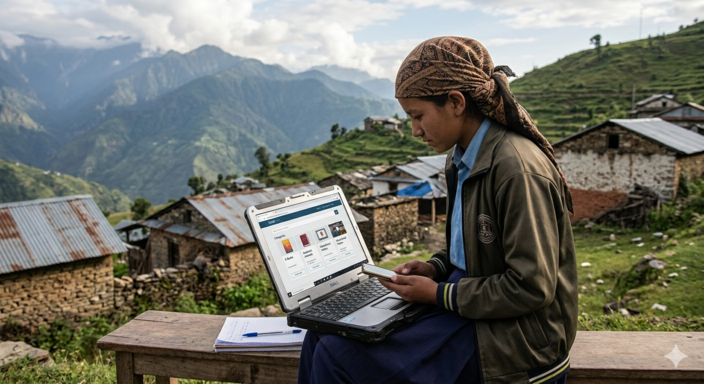
Whether located in mountain villages, desert communities, islands, or rural agricultural regions, learners can obtain information with just a few clicks.
Mobile Accessibility
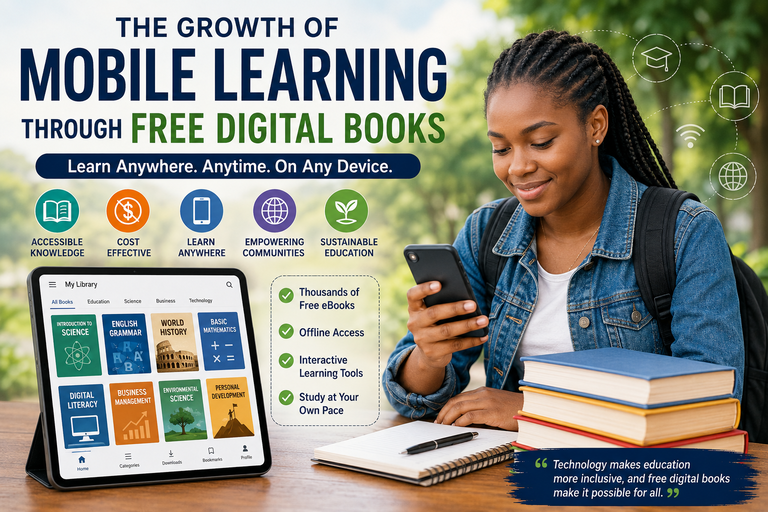
Many digital libraries are optimized for smartphones, which are often more accessible than computers in remote communities.
Students can:
- Read books on mobile devices
- Download study materials
- Access educational videos
- Conduct research
- Participate in online learning
This mobility significantly expands educational reach.
Offline Learning Support
Because internet connectivity may be inconsistent in remote areas, many digital libraries offer offline functionality.
Downloaded materials can be accessed without continuous internet access, ensuring uninterrupted learning even in low-connectivity environments.
Supporting Teachers in Remote Schools
Teachers are essential to educational success, yet many educators in remote areas face limited access to professional development and teaching resources.
Digital libraries provide valuable support by offering:
Updated Teaching Materials
Teachers can access current textbooks, curriculum guides, and supplementary materials that improve classroom instruction.
Professional Development Resources
Digital libraries often include:
- Training courses
- Educational research
- Teaching methodologies
- Classroom management strategies
- Subject-specific instructional guides
These resources help educators strengthen their skills and remain informed about best practices.
Multimedia Teaching Tools
Educational videos, presentations, simulations, and interactive content make lessons more engaging and effective.
As a result, digital libraries enhance both teaching quality and student learning outcomes.
Encouraging Independent and Self-Directed Learning
One of the most transformative aspects of digital libraries is their ability to empower students to learn independently.
Developing Research Skills
Digital libraries encourage students to:
- Search for information independently
- Evaluate sources critically
- Explore topics beyond classroom requirements
- Conduct personal research projects
These skills are essential for academic success and lifelong learning.
Supporting Self-Paced Learning
Students can learn according to their own schedules and learning preferences.
They may:
- Review difficult concepts repeatedly
- Explore additional topics of interest
- Learn outside school hours
- Study at their own pace
This flexibility is particularly valuable in remote areas where educational support may be limited.
Building Lifelong Learning Habits
Regular use of digital libraries fosters curiosity, self-motivation, and continuous learning qualities that remain valuable throughout life.
Supporting Multilingual and Inclusive Education
Many remote communities have unique linguistic and cultural characteristics that may not be adequately represented in traditional educational materials.
Multilingual Resources
Digital libraries can provide content in multiple languages, making education more accessible to diverse populations.
Students can access:
- Native-language materials
- Translated textbooks
- Bilingual resources
- Language-learning tools
This supports better comprehension and learning outcomes.
Preserving Local Knowledge
Digital platforms can also archive and distribute:
- Indigenous literature
- Local histories
- Traditional knowledge
- Cultural heritage materials
This helps preserve cultural identity while expanding educational access.
Accessibility for Students with Disabilities
Digital libraries often include accessibility features such as:
- Text-to-speech technology
- Audio books
- Adjustable font sizes
- Screen-reader compatibility
- Captioned educational videos
These features make education more inclusive for students with diverse learning needs.
Cost-Effective Educational Solutions
Developing and maintaining physical libraries in remote areas can require significant investment.
Digital libraries offer a more scalable and cost-efficient alternative.
Reduced Distribution Costs
Digital content eliminates many expenses associated with:
- Printing
- Shipping
- Storage
- Physical maintenance
Thousands of books can be distributed electronically at minimal additional cost.
Unlimited Access
Unlike physical books that can only be used by one person at a time, digital resources can often be accessed simultaneously by multiple users.
This maximizes resource availability and educational reach.
Easier Content Updates
Educational materials can be updated centrally and distributed instantly, ensuring students always have access to current information.
Leveraging Mobile Technology
Mobile technology has become a critical driver of digital library adoption in remote areas.
Smartphone-Based Learning
In many developing regions, mobile phones are significantly more common than desktop computers.
Mobile-friendly digital libraries enable students to:
- Access educational resources anytime
- Download content using limited data
- Read books on portable devices
- Continue learning while traveling
This accessibility dramatically increases educational participation.
Low-Bandwidth Solutions
Many digital library platforms are designed to function efficiently under limited internet conditions.
Features often include:
- Compressed content formats
- Lightweight applications
- Offline storage capabilities
- Data-saving options
These innovations make digital libraries practical even in areas with constrained connectivity.
Addressing Infrastructure Challenges
Despite their potential, digital libraries cannot fully succeed without addressing underlying infrastructure challenges.
Internet Connectivity Limitations
Reliable internet access remains unavailable in some rural communities.
Solutions include:
- Offline content downloads
- Community Wi-Fi initiatives
- Satellite internet services
- Public access centers
Electricity Shortages
Many remote areas experience inconsistent power supply.
Potential solutions include:
- Solar-powered devices
- Battery backup systems
- Community charging stations
Digital Literacy Gaps
Students and teachers must possess the skills necessary to effectively use digital resources.
Training programs can help users:
- Navigate digital platforms
- Conduct online research
- Evaluate information sources
- Use educational technology responsibly
Device Accessibility
Affordable access to smartphones, tablets, and computers remains important for maximizing the benefits of digital libraries.
Government programs and public-private partnerships can help bridge this gap.
Long-Term Impact on Communities
The benefits of digital libraries extend beyond individual learners and contribute to broader community development.
Improved Literacy Rates
Greater access to reading materials encourages literacy development among both children and adults.
Enhanced Academic Achievement
Students with access to quality resources often achieve stronger educational outcomes and higher examination performance.
Expanded Higher Education Opportunities
Digital libraries help students prepare for university entrance exams and higher-level academic study.
Workforce Development
Access to vocational training materials and professional development resources supports workforce readiness and employability.
Economic Growth
A more educated population contributes to:
- Increased productivity
- Entrepreneurship
- Innovation
- Economic diversification
As educational opportunities expand, communities become better positioned for sustainable development.
Partnerships Driving Digital Library Expansion
The success of digital library initiatives often depends on collaboration among multiple stakeholders.
Governments
Governments play a critical role by:
- Investing in digital infrastructure
- Supporting educational technology initiatives
- Developing national digital education strategies
Educational Institutions
Schools and universities contribute by:
- Creating digital content
- Supporting digital literacy programs
- Integrating digital libraries into curricula
Technology Companies
Private-sector organizations provide:
- Software platforms
- Cloud storage solutions
- Connectivity services
- Educational applications
Non-Governmental Organizations
NGOs often support:
- Community outreach
- Resource development
- Device distribution
- Training initiatives
These partnerships help ensure sustainability and long-term impact.
The Future of Digital Libraries in Remote Education
Technological innovations continue to expand the possibilities of digital libraries.
Artificial Intelligence Integration
AI-powered systems can provide:
- Personalized learning recommendations
- Adaptive educational pathways
- Intelligent search functions
- Automated content organization
Enhanced Offline Capabilities
Future platforms will likely offer more sophisticated offline access, enabling learners to access extensive educational resources regardless of connectivity.
Voice-Based Learning
Voice assistants and speech recognition technologies can improve accessibility for learners with limited literacy skills.
Improved Global Connectivity
Advances in satellite internet and wireless infrastructure will continue expanding educational access to previously underserved regions.
These developments will further strengthen the role of digital libraries in promoting educational equity.
Conclusion
Digital libraries are revolutionizing educational access for students in remote areas by removing many of the barriers that have historically limited learning opportunities. Through instant access to books, research materials, multimedia resources, and educational tools, they help overcome geographic isolation, resource shortages, and infrastructure limitations.
Beyond supporting students, digital libraries empower teachers, promote independent learning, encourage literacy, and strengthen community development. They provide a cost-effective and scalable solution for expanding educational access and reducing inequalities between urban and rural populations.
Although challenges such as internet connectivity, device availability, and digital literacy remain, continued investment in infrastructure and technology is steadily improving access to digital education worldwide.
As the world becomes increasingly knowledge-driven, digital libraries will play an even greater role in ensuring that educational opportunity is not determined by geography. By bringing the world's knowledge to the most remote communities, digital libraries are helping create a future where every learner has the opportunity to reach their full potential, regardless of where they live.