The Future of Education: Learning Through Free Online Resources
Education is undergoing one of the most significant transformations in human history. For centuries, learning was largely confined to physical classrooms, printed textbooks, libraries, and educational institutions. Access to quality education often depended on location, financial resources, and institutional opportunities. Today, however, advances in digital technology and global internet connectivity are reshaping the educational landscape in unprecedented ways.
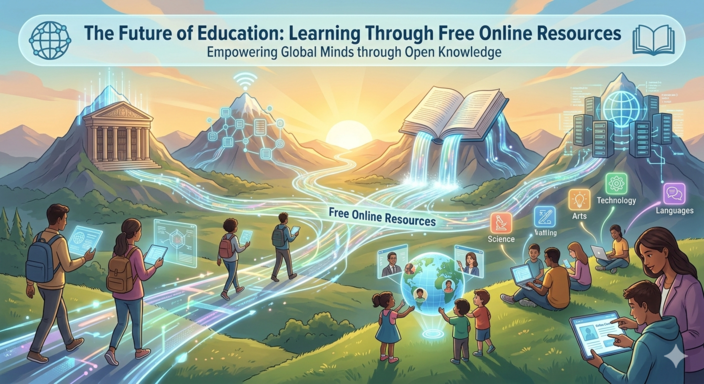
At the center of this transformation is the rapid growth of free online resources. From open educational platforms and digital libraries to video tutorials, virtual laboratories, podcasts, and collaborative learning communities, learners now have access to an almost limitless supply of knowledge without financial barriers.
These resources are doing far more than supplementing traditional education. They are redefining how people acquire knowledge, develop skills, and pursue lifelong learning. As technology continues to evolve, free online resources are expected to become a cornerstone of future education systems worldwide.
This article explores how free online resources are shaping the future of education, their benefits, challenges, and the innovations that will influence learning in the years ahead.
The Digital Transformation of Education
The emergence of the internet has fundamentally changed how information is created, distributed, and consumed. Educational content that once required physical attendance at a school or university can now be accessed instantly from virtually anywhere in the world.
Several factors have accelerated this digital transformation:
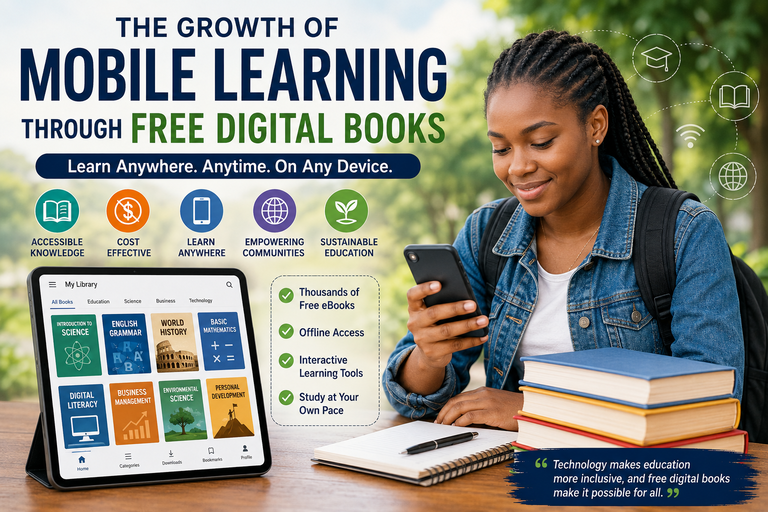
- Widespread smartphone ownership
- Improved internet infrastructure
- Cloud-based learning platforms
- Open educational resource initiatives
- Rising educational costs
- Growing demand for flexible learning opportunities
Today, a student can watch university lectures, download textbooks, participate in online discussions, and complete skill-development courses without leaving home.
This shift is moving education from a centralized model toward a more accessible, decentralized, and learner-centered system.
Democratizing Access to Knowledge
One of the most revolutionary aspects of free online resources is their ability to democratize education.
Historically, access to quality learning opportunities was often limited by:
- Geographic location
- Financial constraints
- Institutional barriers
- Social inequalities
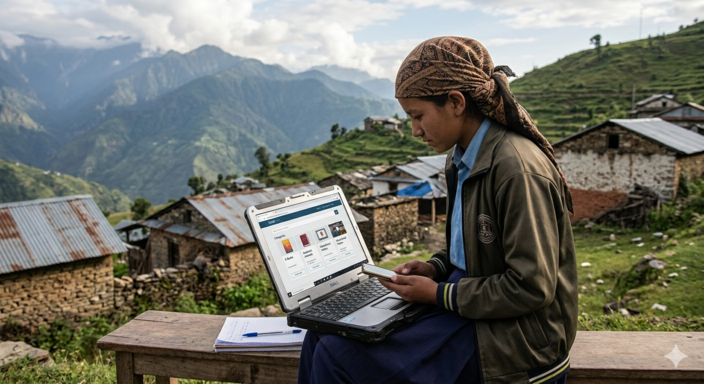
Students in rural communities, developing nations, or underserved regions frequently lacked access to quality schools, libraries, and educational materials.
Free online resources are helping bridge these gaps by providing universal access to:
- Digital textbooks
- Academic journals
- Research papers
- Video lectures
- Educational podcasts
- Professional development courses
As long as learners have access to an internet-enabled device, they can access educational content previously available only to students enrolled in elite institutions.
This democratization of knowledge is creating more equitable opportunities for people around the world.
The Rise of Lifelong Learning
The future of work is changing rapidly. Automation, artificial intelligence, and technological innovation are continuously reshaping industries and creating new skill requirements.
As a result, education can no longer be viewed as something that ends after graduation.
Instead, lifelong learning is becoming a necessity.
Free online resources support lifelong learning by enabling individuals to:
- Learn new skills at any stage of life
- Transition into new careers
- Stay updated with industry trends
- Enhance professional competencies
- Pursue personal interests and hobbies
Whether someone wants to learn programming, digital marketing, financial management, graphic design, or foreign languages, free educational materials make continuous learning possible.
This shift from one-time education to ongoing learning represents one of the defining characteristics of future educational systems.
Personalized Learning Experiences
Traditional classrooms often follow standardized curricula designed to meet the needs of large groups of students. While effective in many cases, this approach may not address individual learning preferences and abilities.
Free online resources are changing this dynamic by enabling personalized learning experiences.
Learners can:
- Choose topics based on their interests
- Learn at their own pace
- Focus on specific skill gaps
- Repeat lessons as needed
- Explore advanced materials when ready
This flexibility empowers students to take greater ownership of their education.
As artificial intelligence continues to advance, personalized learning will become even more sophisticated. AI-powered systems can analyze learner behavior, identify strengths and weaknesses, and recommend customized learning pathways.
The result is a more efficient and engaging educational experience tailored to individual needs.
Supporting Self-Directed Learning
The future of education increasingly emphasizes learner independence.
Free online resources encourage self-directed learning by placing educational control directly in the hands of students.
Self-directed learners can:
- Set their own goals
- Manage study schedules
- Select learning materials
- Evaluate their progress
- Explore interdisciplinary topics
This approach develops valuable skills such as:
- Critical thinking
- Problem-solving
- Time management
- Research abilities
- Self-discipline
These competencies are highly valued in modern workplaces and contribute to long-term personal and professional success.
Enhancing Traditional Education Systems
Contrary to common concerns, free online resources are not replacing schools, colleges, or universities. Instead, they are enhancing traditional educational models.
Educational institutions increasingly integrate digital resources into classroom instruction through:
Blended Learning
Combining face-to-face instruction with online materials allows students to learn both inside and outside the classroom.
Flipped Classrooms
Students review digital content before class and use classroom time for discussion, problem-solving, and collaborative activities.
Digital Libraries
Schools and universities provide access to online collections of books, journals, and educational resources.
Interactive Learning Tools
Teachers use simulations, educational games, and multimedia content to improve engagement and understanding.
These approaches create richer and more flexible learning environments.
Bridging Global Educational Gaps
Millions of students worldwide continue to face challenges such as:
- Teacher shortages
- Inadequate learning materials
- Limited infrastructure
- Underfunded schools
Free online resources help address these issues by making quality educational content available regardless of location.
Benefits include:
Access to Expert Instruction
Students can learn from leading educators and subject-matter experts through online lectures and tutorials.
Teacher Training
Educators can access free professional development resources to improve teaching effectiveness.
Educational Equity
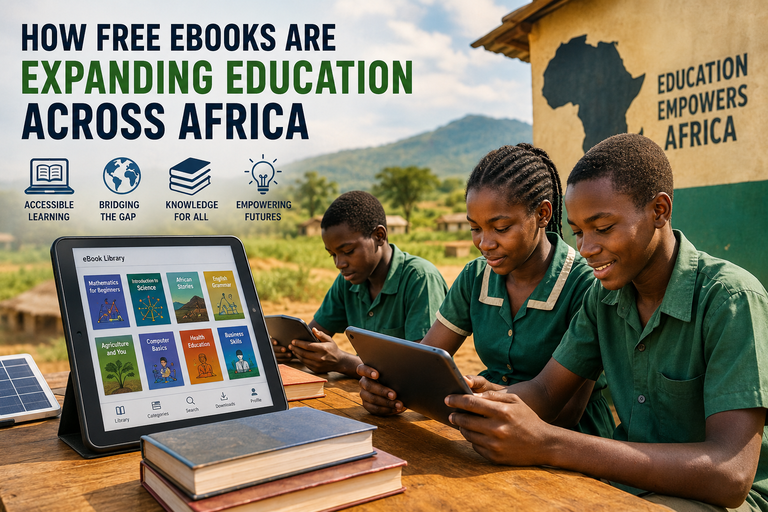
Learners in remote and underserved communities gain access to the same knowledge available in major urban centers.
Multilingual Learning
Educational resources are increasingly available in multiple languages, expanding accessibility for diverse populations.
As internet access continues to improve globally, the educational divide between regions may continue to narrow.
Innovation in Learning Formats
One of the most exciting aspects of free online education is the emergence of innovative learning formats that make education more engaging and effective.
Video-Based Learning
Educational videos simplify complex concepts through visual explanations and demonstrations.
Interactive Simulations
Students can experiment with scientific principles, engineering designs, and mathematical concepts in virtual environments.
Gamified Learning
Game-based elements such as rewards, badges, and challenges increase motivation and participation.
Virtual Reality (VR)
Immersive experiences allow students to explore historical sites, conduct virtual experiments, and interact with complex environments.
Augmented Reality (AR)
Digital overlays enhance real-world learning experiences and improve understanding of abstract concepts.
Collaborative Learning Communities
Online discussion forums and study groups enable learners to share knowledge and support one another.
These innovations create more engaging and effective educational experiences for diverse learners.
Economic Benefits of Free Online Education
The economic implications of free online resources are substantial.
Traditional education often involves significant expenses, including:
- Tuition fees
- Textbooks
- Transportation
- Accommodation
- Learning materials
Free online resources dramatically reduce these costs.
As a result, learners can acquire valuable knowledge and skills without accumulating substantial educational debt.
At a broader level, societies benefit through:
- Increased workforce productivity
- Improved employability
- Enhanced innovation
- Greater entrepreneurship
- Stronger economic growth
Knowledge becomes a more accessible resource for economic development.
Social Impact and Educational Inclusion
Beyond economic advantages, free online resources promote social inclusion.
They support:
Equal Opportunities
Individuals from different socioeconomic backgrounds can access educational materials.
Gender Inclusion
Women and girls in regions with limited educational opportunities can learn remotely.
Accessibility for Learners with Disabilities
Digital platforms increasingly offer:
- Screen readers
- Closed captions
- Audio learning options
- Adjustable text formats
Community Development
Educated populations contribute to stronger communities, improved civic engagement, and greater social progress.
By reducing barriers to learning, free online education fosters more inclusive societies.
Challenges Facing Free Online Education
Despite its enormous potential, free online education faces several important challenges.
The Digital Divide
Reliable internet access and digital devices remain unavailable to many people.
Without connectivity, learners cannot fully benefit from online resources.
Information Quality
The abundance of content online makes it difficult to distinguish credible sources from inaccurate or misleading information.
Motivation and Engagement
Self-paced learning requires discipline and commitment.
Many learners begin online courses but fail to complete them.
Recognition and Accreditation
Not all online learning experiences are formally recognized by employers or educational institutions.
Sustainability
Creating and maintaining high-quality educational resources requires ongoing funding and institutional support.
Addressing these challenges will be critical to maximizing the impact of free online education.
The Role of Governments and Educational Institutions
Governments and educational organizations play a crucial role in shaping the future of online learning.
Key responsibilities include:
Expanding Digital Infrastructure
Investing in broadband networks and internet accessibility.
Supporting Open Educational Resources
Encouraging the development and distribution of free learning materials.
Promoting Digital Literacy
Teaching individuals how to effectively navigate and evaluate online information.
Developing Quality Standards
Ensuring educational resources meet established academic criteria.
Encouraging Public-Private Partnerships
Collaboration between governments, universities, nonprofits, and technology companies can accelerate educational innovation.
Strong policy support will help ensure that the benefits of online learning reach all learners.
Emerging Technologies Shaping the Future
Several technological advancements are expected to further transform education.
Artificial Intelligence
AI-powered tutors can provide personalized guidance, instant feedback, and adaptive learning experiences.
Learning Analytics
Data-driven insights can help educators identify learning challenges and improve instructional effectiveness.
Blockchain Credentials
Digital certificates stored on blockchain systems may improve verification and recognition of educational achievements.
5G and Satellite Internet
Faster and more reliable connectivity will expand educational access to remote regions.
Voice and Language Technologies
Real-time translation and voice-assisted learning tools will increase accessibility for global audiences.
Together, these technologies will make education more personalized, scalable, and inclusive.
The Future Educational Model
The future of education will likely combine the strengths of traditional institutions with the flexibility of digital learning.
Key characteristics will include:
- Flexible learning schedules
- Personalized educational pathways
- Affordable access to quality content
- Global collaboration opportunities
- Technology-enhanced instruction
- Continuous skill development
Learning will become less dependent on physical classrooms and more focused on individual growth and lifelong development.
Students will increasingly learn from multiple sources, combining formal education with self-directed online learning experiences.
Conclusion
The future of education is being transformed by the growing availability of free online resources. Through open access to knowledge, personalized learning opportunities, and innovative educational technologies, these resources are reshaping how individuals learn, develop skills, and participate in the global economy.
Free online education has the power to democratize learning, reduce inequality, support lifelong development, and expand opportunities for millions of people worldwide. While challenges such as the digital divide, quality assurance, and accreditation remain, ongoing technological innovation and strategic investment continue to strengthen the foundation of accessible education.
As the world moves toward a more connected and knowledge-driven future, free online resources will play an increasingly central role in building education systems that are flexible, inclusive, affordable, and responsive to the needs of modern learners.
In this new era, education is no longer confined to classrooms, institutions, or financial limitations. It is becoming a lifelong journey of discovery, accessible to anyone with the curiosity to learn and the tools to connect with the vast wealth of knowledge available online.