Why Free Educational Resources Matter More Than Ever
Education has long been recognized as one of humanity's most powerful tools for personal development, economic advancement, and social transformation. Throughout history, access to knowledge has shaped opportunities, determined career prospects, and influenced the progress of societies. Yet for many people around the world, quality education has remained constrained by financial limitations, geographical barriers, and unequal access to learning materials.
Today, the world is experiencing unprecedented technological, economic, and social changes. Industries are evolving rapidly, new skills are emerging, and lifelong learning has become a necessity rather than a choice. At the same time, rising educational costs, global economic uncertainty, and recurring disruptions to traditional schooling have made affordable learning opportunities more important than ever.
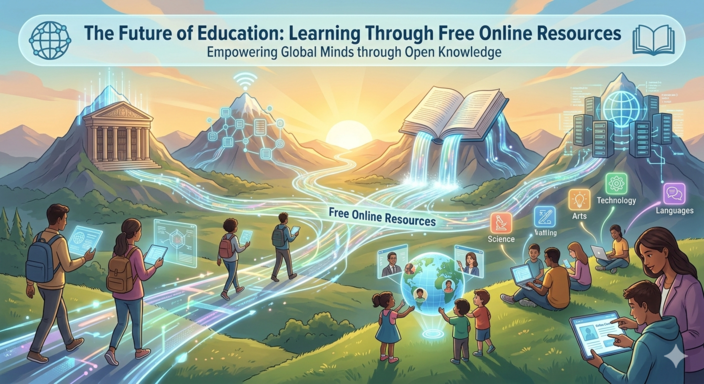
In this context, free educational resources have emerged as a transformative force. From open educational resources (OERs), free eBooks, and digital libraries to online courses, educational videos, and open-access research publications, these resources are expanding access to knowledge on a global scale. They are helping students succeed, empowering professionals to develop new skills, and enabling communities to participate more fully in the knowledge economy.
The growing importance of free educational resources reflects a fundamental shift in how education is delivered and consumed. Knowledge is no longer confined to classrooms, universities, or expensive textbooks. Instead, it is increasingly accessible to anyone with an internet connection and a desire to learn.
This article explores why free educational resources matter more than ever, examining their role in promoting educational equity, supporting lifelong learning, strengthening digital education, improving academic outcomes, and shaping the future of global learning.
The Changing Educational Landscape
The educational environment of the 21st century differs significantly from that of previous generations. Several major trends have transformed how people learn and how educational institutions operate.
Rapid Technological Advancement
Technology is evolving at an extraordinary pace. Innovations in artificial intelligence, data science, cybersecurity, cloud computing, renewable energy, biotechnology, and automation are continuously creating new career opportunities while making some traditional skills obsolete.
As industries evolve, workers must regularly update their knowledge and competencies. Education can no longer be viewed as a one-time experience completed during childhood or university years. Instead, learning has become a lifelong process.
Free educational resources provide an affordable pathway for individuals seeking to keep pace with technological change without enrolling in expensive programs.
Rising Educational Costs
Across many countries, the cost of higher education continues to increase. Tuition fees, textbooks, laboratory materials, and supplementary resources often create significant financial burdens for students and families.
Many students face difficult choices between purchasing required materials and meeting basic living expenses. Free educational resources help alleviate these challenges by providing access to quality content without additional financial strain.
Digital Transformation of Learning
The widespread adoption of digital technologies has fundamentally changed educational delivery methods. Learning increasingly takes place through:
- Online courses
- Virtual classrooms
- Learning management systems
- Mobile applications
- Interactive educational platforms
As education becomes more digital, access to free online resources becomes essential for ensuring that learning opportunities remain inclusive and affordable.
Global Disruptions and Uncertainty
Recent years have demonstrated how vulnerable traditional education systems can be to unexpected disruptions. Pandemics, natural disasters, political instability, armed conflicts, and climate-related emergencies have interrupted schooling for millions of learners worldwide.
Free educational resources provide flexible alternatives that help maintain educational continuity during periods of disruption.
Breaking Down Financial Barriers
One of the most compelling reasons free educational resources matter is their ability to reduce the financial burden associated with learning.
The High Cost of Educational Materials
Educational expenses extend beyond tuition fees. Textbooks, academic journals, study guides, and reference materials often represent significant costs.
University students may spend hundreds or even thousands of dollars annually on required course materials. In some cases, students delay purchasing textbooks, share copies with classmates, or attempt to complete courses without essential resources due to financial constraints.
These challenges can negatively affect academic performance and increase educational inequality.
Expanding Access Through Free Resources
Free educational resources address these issues by providing immediate access to learning materials regardless of income level.
Benefits include:
- Elimination of textbook expenses
- Reduced educational costs for families
- Increased access for low-income learners
- Greater flexibility in educational planning
- Reduced dependence on costly supplementary materials
By lowering financial barriers, free resources enable more individuals to pursue education and achieve their academic goals.
Promoting Educational Equity
Education should be a universal opportunity rather than a privilege reserved for those with financial means or geographic advantages. However, disparities in educational access remain widespread.
Addressing Geographic Inequality
Students in rural and remote areas often face challenges such as:
- Limited library access
- Insufficient educational infrastructure
- Shortages of qualified teachers
- Lack of updated learning materials
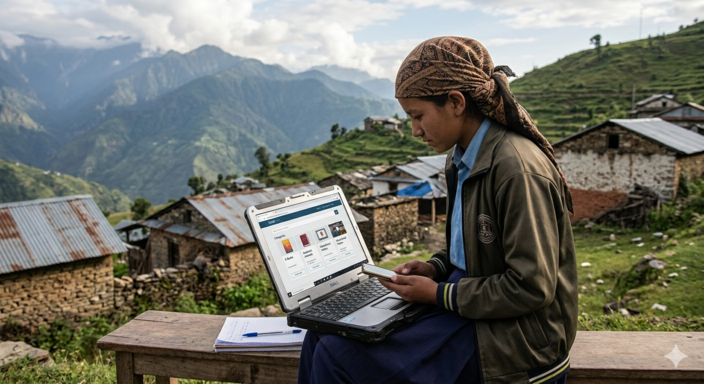
Free digital educational resources help bridge these gaps by making quality content available regardless of location.
A student in a remote village can now access educational materials similar to those used by learners in major urban centers.
Supporting Marginalized Communities
Free educational resources also benefit:
- Low-income households
- Refugees and displaced populations
- Adult learners returning to education
- Learners with disabilities
- Underserved minority groups
By making knowledge freely accessible, educational opportunities become more equitable and inclusive.
Creating Equal Opportunities
When learning materials are available at no cost, success becomes more dependent on effort and commitment rather than financial resources. This shift helps create a more level educational playing field and supports social mobility.
Supporting Lifelong Learning
The concept of lifelong learning has become increasingly important in modern society.
The Need for Continuous Skill Development
Today's workforce faces constant change. Employees frequently need to acquire new skills to remain competitive and relevant.
Industries increasingly value:
- Digital literacy
- Data analysis
- Artificial intelligence competencies
- Communication skills
- Project management abilities
- Entrepreneurial thinking
Free educational resources enable individuals to learn these skills independently and at their own pace.
Career Transitions and Professional Growth
Many professionals change careers multiple times throughout their lives. Free educational resources support these transitions by providing affordable access to new knowledge and training.
Individuals can:
- Explore new industries
- Earn certifications
- Develop technical competencies
- Build portfolios
- Strengthen employability
This flexibility is particularly important in economies experiencing rapid technological and structural change.
Encouraging Self-Directed Learning
Free educational resources empower learners to take ownership of their educational journeys. Instead of relying solely on formal institutions, individuals can pursue knowledge based on personal interests, career goals, and developmental needs.
Strengthening Digital Education
The rise of online learning has made digital educational resources indispensable.
Supporting Online and Hybrid Learning Models
Educational institutions increasingly use blended learning approaches that combine traditional classroom instruction with digital resources.
Free educational materials support:
- Online degree programs
- Virtual schools
- Distance learning initiatives
- Self-paced learning environments
- Continuing education programs
These resources enhance flexibility and improve accessibility for diverse learner populations.
Mobile Learning Opportunities
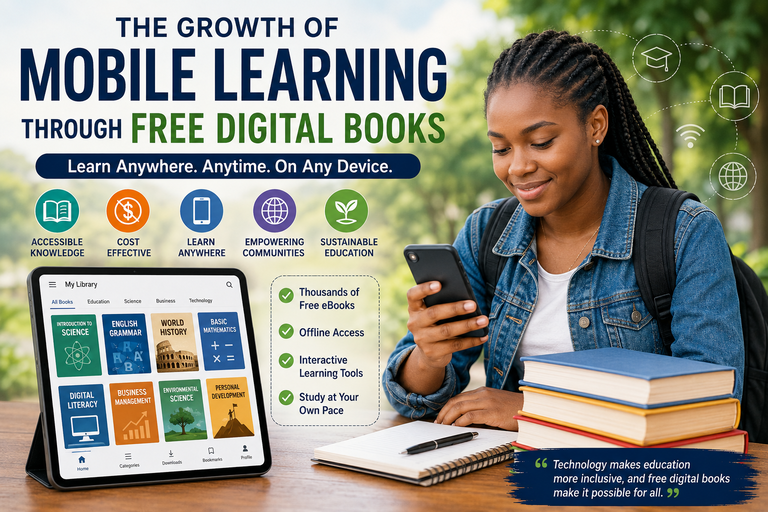
Smartphones and tablets have expanded educational access significantly. Mobile learning allows students to study:
- During commutes
- Between work shifts
- While traveling
- In remote locations
Free eBooks, educational applications, and online courses make learning possible anytime and anywhere.
Increasing Educational Reach
Digital educational resources can be distributed instantly to millions of learners worldwide. This scalability makes them particularly effective for addressing large-scale educational challenges.
Encouraging Innovation and Collaboration
One of the unique strengths of free educational resources is their ability to foster innovation and collaborative knowledge creation.
Adaptable Learning Materials
Many open educational resources are released under licenses that allow educators to modify and customize content.
Teachers can:
- Update examples
- Add local context
- Translate materials
- Combine multiple resources
- Tailor content to specific audiences
This adaptability enhances teaching effectiveness and relevance.
Global Collaboration
Educational experts, researchers, and instructors worldwide can collaborate to improve and expand open resources.
This collaborative approach:
- Improves content quality
- Encourages knowledge sharing
- Accelerates innovation
- Promotes international cooperation
As a result, educational materials become more dynamic, diverse, and responsive to learners' needs.
Enhancing Crisis Resilience
Educational systems must be prepared to function during emergencies and disruptions.
Learning Continuity During Emergencies
Recent global crises have highlighted the importance of flexible educational infrastructure.
Free educational resources help ensure continuity by providing:
- Immediate access to learning materials
- Remote learning options
- Flexible study schedules
- Independent learning opportunities
Students can continue their education even when schools or universities are temporarily inaccessible.
Supporting Displaced Learners
Refugees, migrants, and displaced populations often face significant barriers to education. Free digital resources provide opportunities for continued learning regardless of location or circumstance.
This access can be critical for maintaining educational progress and supporting long-term social integration.
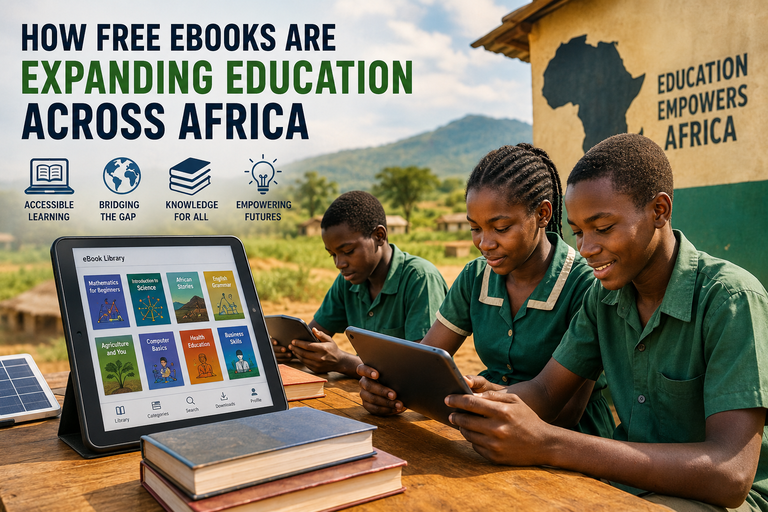
Supporting Developing Regions
Many developing countries continue to face educational challenges related to infrastructure, funding, and resource availability.
Filling Resource Gaps
Free educational resources can supplement limited educational infrastructure by providing:
- Digital textbooks
- Teacher training materials
- Academic reference resources
- Open university courses
- Literacy programs
These materials help improve educational quality without requiring substantial physical investments.
Leveraging Mobile Connectivity
Mobile internet access has expanded rapidly across many developing regions. Even where traditional educational infrastructure is limited, mobile devices often provide access to valuable learning opportunities.
This connectivity allows millions of learners to participate in educational experiences previously unavailable to them.
Contributing to National Development
Improved educational access supports broader development objectives, including:
- Workforce development
- Economic growth
- Innovation capacity
- Poverty reduction
- Social inclusion
Free educational resources therefore contribute not only to individual success but also to national progress.
Improving Academic Outcomes
Access to learning materials directly influences educational performance.
Immediate Availability of Resources
Students perform better when they have immediate access to required materials from the beginning of a course.
Free educational resources ensure that:
- Every student starts with the same materials
- Learning begins immediately
- Course participation is not delayed
- Academic preparation is consistent
Increased Student Engagement
When educational resources are readily available, students are more likely to:
- Complete assignments
- Participate actively
- Review materials regularly
- Explore supplementary topics
This increased engagement often translates into improved academic performance.
Higher Retention Rates
Students who have access to essential learning materials are generally more likely to remain enrolled and complete their educational programs successfully.
Environmental Sustainability
Free digital educational resources also support environmental goals.
Reducing Resource Consumption
Traditional publishing relies heavily on:
- Paper production
- Printing processes
- Packaging materials
- Transportation networks
Digital resources reduce dependence on these physical systems.
Lower Carbon Footprints
Electronic distribution eliminates many transportation-related emissions associated with printing and shipping textbooks.
Minimizing Waste
Frequent textbook revisions often render printed editions obsolete. Digital resources can be updated without generating physical waste, making them a more sustainable long-term solution.
Challenges That Must Be Addressed
Despite their many benefits, free educational resources face several important challenges.
Quality Assurance
Not all free educational content meets high academic standards.
Ensuring quality requires:
- Peer review processes
- Expert contributions
- Regular updates
- Institutional oversight
Maintaining credibility is essential for widespread adoption.
The Digital Divide
Access to free resources often depends on internet connectivity and digital devices.
Many learners still face barriers such as:
- Limited broadband access
- High data costs
- Inadequate technology infrastructure
- Device shortages
Addressing these challenges remains a priority for educational policymakers.
Sustainability and Funding
Creating, maintaining, and updating high-quality educational resources requires ongoing investment.
Sustainable funding models may include:
- Government support
- Institutional partnerships
- Philanthropic funding
- International development initiatives
Long-term success depends on stable financial support.
Intellectual Property Considerations
Balancing open access with fair recognition and compensation for creators remains a complex issue. Effective licensing frameworks are necessary to support both accessibility and content development.
The Role of Governments and Educational Institutions
Governments, universities, and educational organizations play a crucial role in expanding access to free educational resources.
Policy Support
Governments can encourage open education through policies that:
- Promote open educational resources
- Support open-access publishing
- Invest in digital infrastructure
- Expand broadband access
Institutional Leadership
Universities and schools can contribute by:
- Developing open course materials
- Sharing research findings
- Supporting digital libraries
- Training educators in OER adoption
International Cooperation
Global partnerships can help create and distribute educational resources that benefit learners across national boundaries.
Collaborative efforts are particularly important for addressing educational inequalities and supporting developing regions.
The Future of Free Education
The future of education is likely to be increasingly open, connected, and technology-driven.
Artificial Intelligence and Personalized Learning
Artificial intelligence is creating opportunities for:
- Adaptive learning systems
- Personalized educational pathways
- Intelligent tutoring platforms
- Automated content translation
These innovations will make free educational resources more effective and accessible.
Greater Global Accessibility
Advances in connectivity and translation technologies will continue expanding access to educational content across languages and cultures.
Expanding Open Knowledge Ecosystems
The movement toward open education is expected to grow as institutions, governments, and organizations recognize the economic and social benefits of widespread knowledge access.
Free educational resources will become increasingly central to educational systems worldwide.
Conclusion
Free educational resources matter more than ever because they address some of the most pressing challenges facing modern education. They reduce financial barriers, promote educational equity, support lifelong learning, strengthen digital education, and improve academic outcomes. By making knowledge accessible to anyone regardless of income, location, or background, they help create more inclusive and resilient learning systems.
In a world defined by rapid technological change, economic uncertainty, and evolving workforce demands, access to education is no longer simply an advantage it is a necessity. Free educational resources empower individuals to adapt, grow, and thrive in this changing environment.
While challenges related to quality, funding, and digital access remain, the benefits of open and accessible education far outweigh the obstacles. As societies continue to embrace digital learning and global collaboration, free educational resources will play an increasingly important role in shaping a more knowledgeable, equitable, and prosperous future.
Ultimately, investing in free access to knowledge is an investment in human potential. It is a commitment to opportunity, innovation, and progress for individuals and communities around the world.