The Importance of Reading Beyond Exams: Learning for Life
In many education systems, reading is treated as a tool for passing exams. Students read to score well, secure admission, and move to the next stage. Once the assessment is over, the reading often stops. While exam-focused reading builds discipline and ensures coverage of required material, it represents only a small portion of what reading can truly offer.
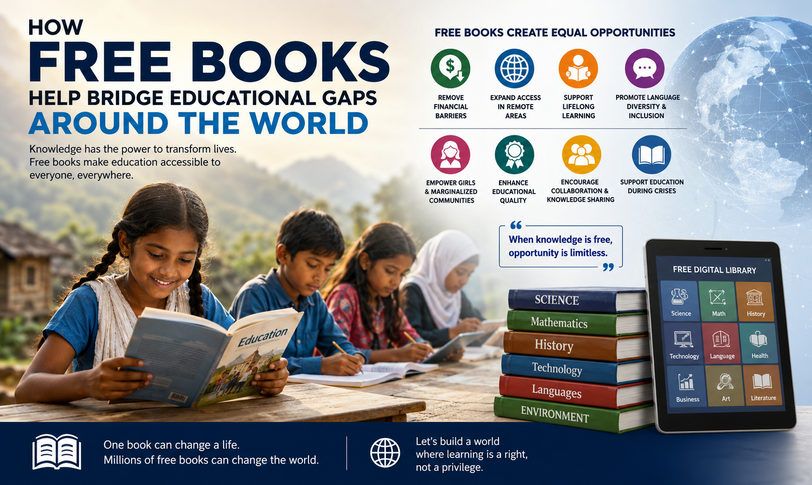
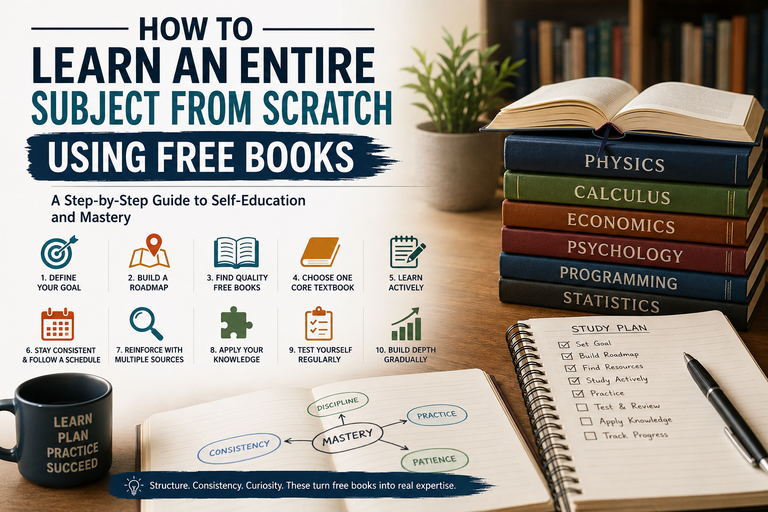
Reading beyond exams is not a luxury reserved for scholars or hobbyists. It is a lifelong instrument for thinking clearly, adapting to change, solving problems, and living with depth and perspective. When people read only to be tested, learning becomes temporary. When people read for life, learning becomes continuous.
This article explores why reading beyond exams matters, what it develops in individuals, and how students, parents, teachers, and communities can build a lasting culture of reading.
1. Exam Reading vs. Life Reading: Understanding the Difference
Exam-Oriented Reading
Exam-focused reading is typically:
-
Goal-bound: Driven by grades, syllabi, and predictable outcomes.
-
Selective: Concentrated on likely test questions and “important topics.”
-
Speed-driven: Skimming for definitions and memorizing key points.
-
Short-term: Information is often retained temporarily and forgotten after exams.
This type of reading serves an immediate purpose but rarely builds long-term intellectual growth.
Reading for Life
Reading beyond exams is different:
-
Curiosity-led: Motivated by personal interest and questions.
-
Wide-ranging: Includes fiction, history, science, philosophy, biographies, essays, and more.
-
Reflective: Encourages interpretation, disagreement, and deeper thought.
-
Long-term: Builds knowledge that compounds over years.
While both types of reading can overlap, reducing reading solely to exam preparation limits intellectual and personal development.
2. Reading Builds “Portable” Skills Exams Cannot Fully Measure
Exams measure performance at a specific moment. Reading beyond exams develops skills that travel across careers, relationships, and life stages.
a) Deep Thinking and Better Judgment
Regular exposure to arguments, ideas, and evidence strengthens:
-
Logical reasoning
-
Critical evaluation of claims
-
Independent decision-making
In an era filled with misinformation and sensational headlines, readers are better equipped to pause, analyze, and make thoughtful choices.
b) Vocabulary, Expression, and Communication
Language shapes thought. Wide reading naturally improves:
-
Vocabulary and sentence structure
-
Clarity in speech and writing
-
Ability to explain complex ideas simply
These abilities influence job interviews, leadership roles, negotiations, emails, presentations, and everyday conversations.
c) Focus and Mental Stamina
Sustained attention is increasingly rare in a notification-driven world. Reading long-form content books, essays, and in-depth journalism trains:
-
Concentration
-
Patience
-
The ability to follow complex arguments
Life often rewards those who can stay mentally engaged over time.
d) Creativity and Problem-Solving
Reading expands the mind’s internal library of ideas.
-
Fiction develops imagination and emotional depth.
-
Nonfiction provides frameworks and case studies.
Together, they generate new connections between concepts and inspire innovative solutions.
3. Reading Shapes Identity, Values, and Emotional Intelligence
Education is not only about employment. It is about becoming thoughtful and emotionally mature.
a) Empathy and Perspective
Stories allow readers to step into lives unlike their own. Novels such as To Kill a Mockingbird or Things Fall Apart expose readers to social injustice, cultural conflict, and human complexity.
This builds empathy an essential skill in leadership, collaboration, and relationships.
b) Self-Understanding and Growth
Memoirs and reflective works such as Man's Search for Meaning help readers:
-
Understand suffering and resilience
-
Recognize emotional patterns
-
Find language for personal experiences
Books often provide insight that no exam question ever tests.
c) Resilience and Hope
Literature frequently portrays struggle, adaptation, and renewal. Reading about people who endure hardship strengthens emotional resilience and encourages perseverance during uncertain times.
4. Knowledge Compounds: The Hidden Advantage
One of the most powerful aspects of lifelong reading is its compounding effect.
Each book builds context for the next. Vocabulary expands. Historical references become clearer. Scientific discussions become easier to follow. Over time, readers develop:
-
Broad general knowledge
-
Strong mental models for interpreting the world
-
Cultural literacy across disciplines
This compounding effect resembles financial growth: small, consistent effort leads to substantial long-term gains.
5. Reading Prepares You for a Changing World
The modern world is unpredictable. Careers evolve. Technology advances rapidly. Industries transform.
Lifelong readers are better positioned to:
-
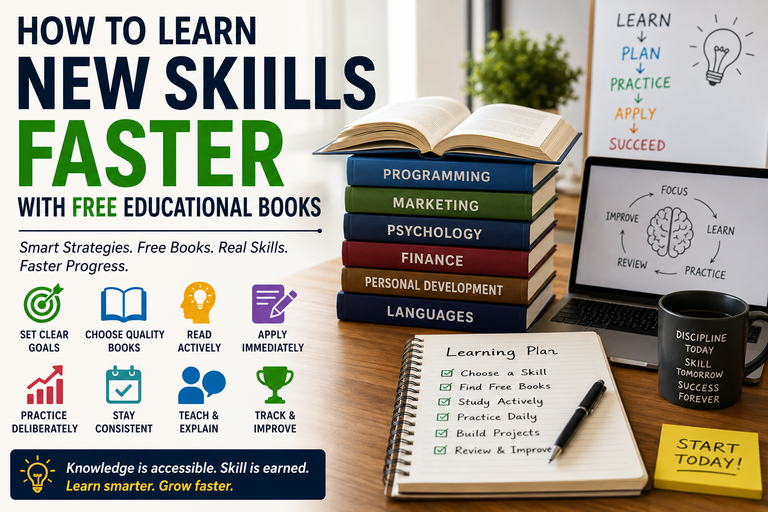
Reskill and upskill
-
Understand global trends
-
Stay informed about civic issues
-
Adapt to new responsibilities
Books such as Sapiens broaden historical perspective, while works like Atomic Habits offer practical frameworks for personal improvement.
Reading allows individuals to update themselves continuously, long after formal education ends.
6. What to Read Beyond Exams (And Why It Matters)
A balanced reading life includes diverse categories.
Fiction
-
Builds empathy and imagination
-
Improves interpretation and emotional intelligence
-
Teaches subtlety and ambiguity
Nonfiction
-
Strengthens reasoning and analytical skills
-
Provides evidence-based perspectives
-
Deepens understanding of society
Biographies and Memoirs
-
Offer real-life lessons and character development
-
Humanize success and reveal struggles behind achievement
Essays and Quality Journalism
-
Improve awareness of current issues
-
Train readers to follow and evaluate arguments
Practical Reading
-
Personal finance
-
Health and wellness
-
Communication and leadership
These materials directly improve decision-making and independence.
The goal is not to read everything. It is to read widely enough to keep growing.
7. Overcoming Common Barriers
“I Don’t Have Time.”
Consistency matters more than duration. Try:
-
15–20 minutes daily
-
Reading during commute
-
Replacing short scrolling sessions with a few pages
Small daily effort compounds significantly.
“Reading Is Boring.”
Often the problem is the wrong book. Start with:
-
Topics you already enjoy
-
Short stories or essays
-
Accessible language before complex material
Reading becomes engaging when it aligns with curiosity.
“I Forget What I Read.”
Retention improves by:
-
Highlighting key ideas
-
Discussing with others
-
Writing short summaries
The aim is not perfect memory it is improved thinking.
“My Reading Level Isn’t Strong.”
Progress is gradual:
-
Start simple
-
Use audiobooks to improve flow
-
Reread favorite books
Every skilled reader began as a beginner.
8. The Role of Schools, Parents, and Communities
Reading beyond exams must be culturally supported.
Schools Can:
-
Provide welcoming libraries
-
Allocate silent reading time without grades
-
Encourage book discussions
Parents Can:
-
Model reading behavior
-
Let children choose books
-
Discuss ideas at home
Communities Can:
-
Support public libraries
-
Organize reading clubs
-
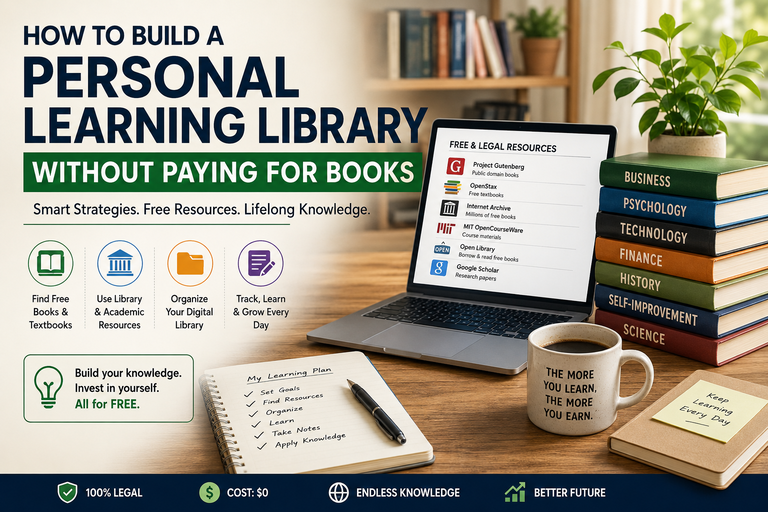
Improve access to affordable books
When reading becomes visible and normalized, it shifts from obligation to habit.
9. Reading in the Digital Age: Opportunity and Responsibility
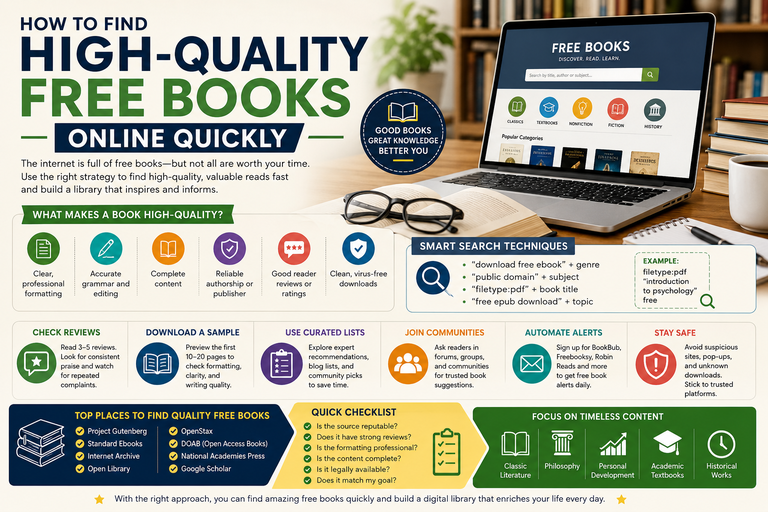
Digital tools expand access:
-
E-books increase portability
-
Online archives provide free classics
-
Educational platforms offer quality long-form learning
However, readers must guard against:
-
Shallow skimming
-
Algorithm-driven narrow perspectives
-
Misinformation
Reading beyond exams includes learning how to evaluate sources and think independently.
Conclusion: Education That Never Ends
Exams are temporary. The mind you build is permanent.
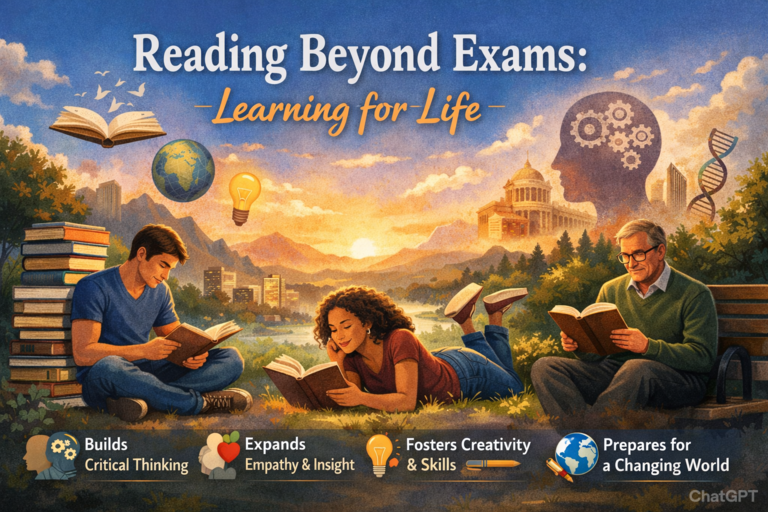
Reading beyond exams strengthens thinking, expands empathy, sharpens communication, and prepares individuals for change. It transforms learning from a phase into a lifelong habit.
A society that reads only for tests produces individuals trained to perform.
A society that reads for life produces individuals prepared to understand, create, lead, and grow.
Read for grades if you must.
Read beyond exams if you want a life that keeps expanding.