
Free Learning vs Paid Courses: What Students Should Know
Online learning has never been more accessible. Today, a student can learn calculus from free video lectures, study programming through open-source documentation, or access university-level materials without paying anything. At the same time, paid courses promise structure, expert guidance, certificates, and faster results.
So which is better: free learning or paid courses?
The honest answer: both can work and both can fail. The difference depends on your goals, learning habits, timeline, and the kind of support you need. Before spending money or investing months of time it’s important to understand what you’re really choosing.
1) What Counts as “Free Learning” and “Paid Courses”?
Free Learning
Free learning includes:
-
YouTube tutorials and lecture playlists
-
Open educational resources (OER) and free textbooks
-
Free versions of online courses (without certificates)
-
Blogs, articles, forums, and documentation
-
Open-access journals
-
Library resources and podcasts
-
Practice platforms with free tiers
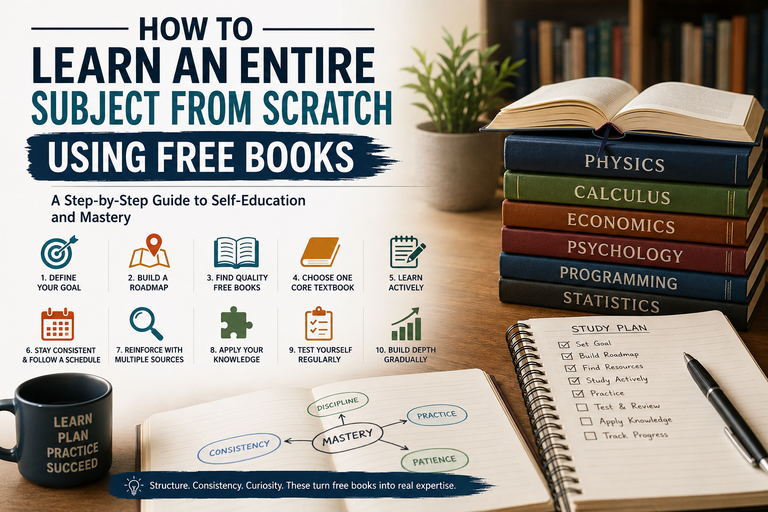
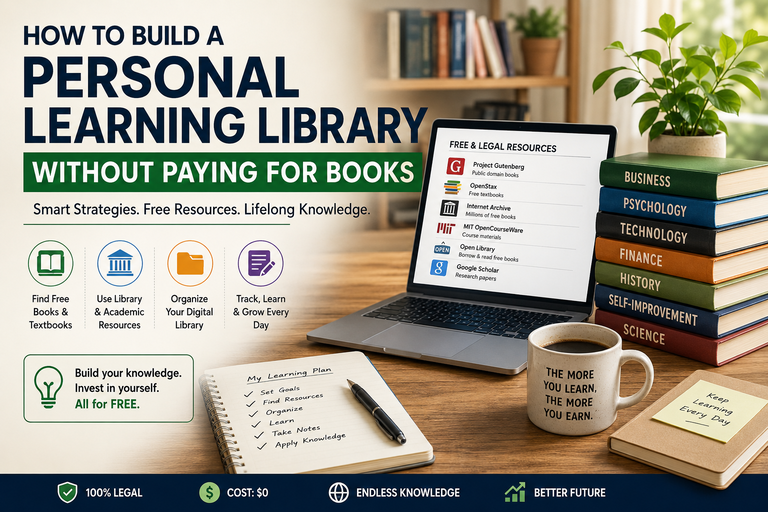
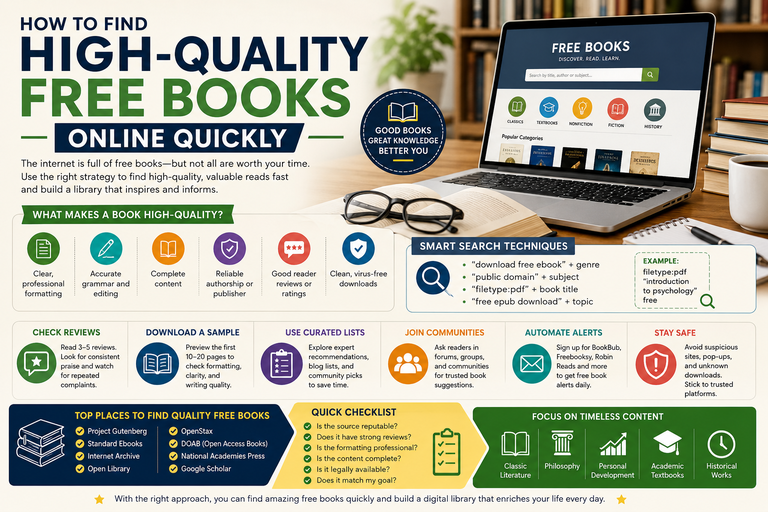
Examples include platforms like Khan Academy, MIT OpenCourseWare, and free textbooks from OpenStax.
Free learning can be extremely high-quality. The trade-off? It usually lacks structure. You must design your own curriculum.
Paid Courses
Paid learning can include:
-
Courses on Coursera, Udemy, edX, or LinkedIn Learning
-
Bootcamps (coding, data science, design, test prep)
-
Tutoring or coaching programs
-
University certificate programs
-
Professional certifications
-
Membership-based learning communities
Quality varies widely. Some paid courses are excellent. Others are overpriced collections of free information.
2) The Biggest Advantage of Free Learning: Low Cost, High Flexibility
Free learning is ideal when you:
-
Want to explore a topic before committing
-
Prefer self-paced learning
-
Have strong self-discipline
-
Only need knowledge (not a credential)
-
Enjoy experimenting and iterating
But free learning has a hidden cost: time and planning.
You must:
-
Choose materials carefully
-
Arrange them logically
-
Stay consistent without external deadlines
-
Practice deliberately
-
Identify your own knowledge gaps
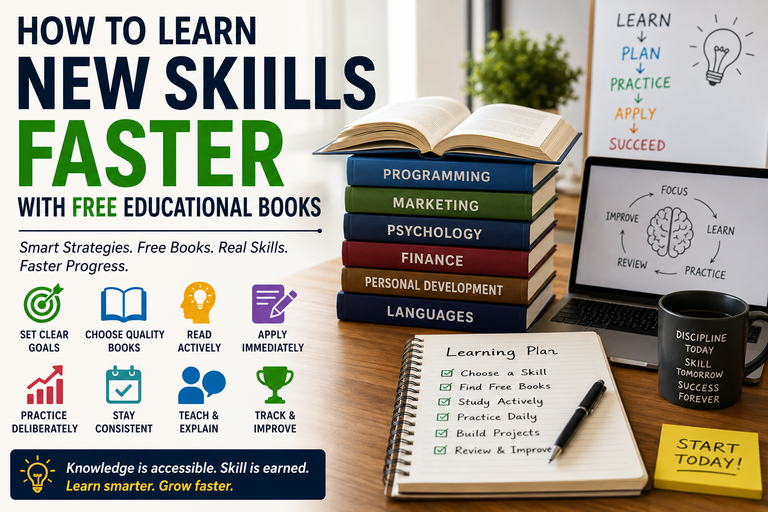
For motivated learners, free resources can lead to mastery. Many professionals built their foundation using free lectures, books, and documentation.
3) The Biggest Advantage of Paid Courses: Structure and Support
The best paid courses don’t just provide information you can get information anywhere. They provide a system.
What strong paid courses offer:
-
A clear roadmap (what to learn, in what order)
-
Curated resources
-
Built-in assignments and projects
-
Instructor or peer feedback
-
Accountability through deadlines
-
Community interaction
-
Sometimes, recognized credentials
If you struggle with self-direction or don’t know what “good” looks like in a new field, structured learning can save months of confusion.
4) Hidden Costs: Free Isn’t Always Cheaper, Paid Isn’t Always Better
Hidden Costs of Free Learning
-
Information overload
-
Random, fragmented learning
-
No feedback loop
-
Motivation drops when content gets hard
-
Difficulty knowing if you’re progressing
Free resources are abundant but abundance can slow you down.
Hidden Costs of Paid Courses
-
Paying for basic information available free
-
Marketing hype (“Job-ready in 30 days!”)
-
Overvaluing certificates
-
Outdated content
-
Learning the course instead of mastering the subject
-
Opportunity cost (money could fund books, tools, tutoring)
The real question isn’t “free or paid?” It’s:
What specific problem am I trying to solve?
5) When Free Learning Is the Best Choice
Free learning is usually best when:
You’re Exploring
If you’re unsure about coding, psychology, business, or design, start free. Test interest before investing money.
You Need Foundations
For basics algebra, grammar, introductory economics, beginner programming free resources are often more than enough.
You Have Strong Self-Discipline
If you can set goals and follow through consistently, free learning can match or exceed paid courses.
You’re Building Portfolio-Based Skills
In programming, writing, marketing, or design, employers often care more about projects than certificates. You can build strong portfolios using free guidance.
6) When Paid Courses Are Worth It
Paid courses make sense when:
You Need a Clear Path Quickly
Deadlines matter. If you’re preparing for an exam or transitioning careers, structured guidance reduces wasted time.
You Need Feedback
Writing, coding, math problem-solving, public speaking all improve dramatically with correction. Feedback is one of the strongest reasons to pay.
You Need Accountability
Some learners perform better with:
-
Scheduled sessions
-
Cohort pacing
-
Peer groups
-
Progress tracking
You Need a Recognized Credential
Credentials matter most when:
-
Employers require them
-
The field is compliance-based (e.g., specific IT or finance certifications)
-
You need proof of training
However, a certificate alone rarely guarantees skill or employment.
7) How to Evaluate a Paid Course Before Buying
Use this checklist:
Quality Indicators
-
Instructor credibility (verifiable experience)
-
Clear syllabus and logical structure
-
Defined learning outcomes
-
Real projects or assignments
-
Feedback opportunities
-
Updated content
-
Transparent reviews
-
Refund policy
-
Realistic career claims
Red Flags
-
“Guaranteed job” promises
-
No preview lessons
-
Heavy focus on motivation over skill
-
Vague language like “mastery” without measurable outcomes
-
Abandoned communities or outdated tools
A good paid course feels like a structured learning system not a marketing product.
8) A Practical Hybrid Strategy (Often Best)
Many successful learners combine both approaches.
Step 1: Start Free
Spend 1–2 weeks exploring:
-
Do you enjoy the subject?
-
Can you grasp the basics?
-
What are your specific goals?
Step 2: Identify Your Bottleneck
Common bottlenecks:
-
Not knowing what to learn next
-
Lack of practice problems
-
No feedback
-
Low motivation
-
Need for exam strategy
Step 3: Pay Only to Solve the Bottleneck
Examples:
-
Need structure → Buy a roadmap-based course
-
Need feedback → Pay for tutoring or workshops
-
Need accountability → Join a cohort
-
Need certification → Pay for recognized exam prep
This approach prevents overspending and ensures money solves a real problem.
9) What Matters More Than Free vs Paid: Learning Behaviors
No resource works without strong habits.
Proven learning behaviors:
-
Active recall (test yourself)
-
Spaced repetition (review over time)
-
Deliberate practice (focus on weaknesses)
-
Project-based output (build, write, code)
-
Early feedback
-
Consistency
A paid course won’t help if you passively watch videos. Free resources can outperform expensive programs if you practice actively.
10) Quick Decision Guide
Choose Free Learning If:
-
You’re exploring
-
You can stay consistent
-
You learn well independently
-
You mainly need knowledge and practice
-
Budget is limited
Consider Paid Courses If:
-
You need structure
-
You need feedback
-
You have a deadline
-
A credential truly matters
-
You’re committed to finishing
Conclusion: Pay for Results, Not for Information
Information is abundant and often free. What most students actually need isn’t more information. They need:
-
Structure
-
Practice
-
Feedback
-
Accountability
Free learning can be powerful when you’re disciplined and strategic. Paid courses are worth it when they solve specific problems that free resources cannot especially guidance, feedback, and structured progression.
The smartest approach for most students?
Start free.
Identify your bottleneck.
Pay only when it clearly improves your speed, clarity, or results.
Learning success depends less on price and more on how you engage with the process.