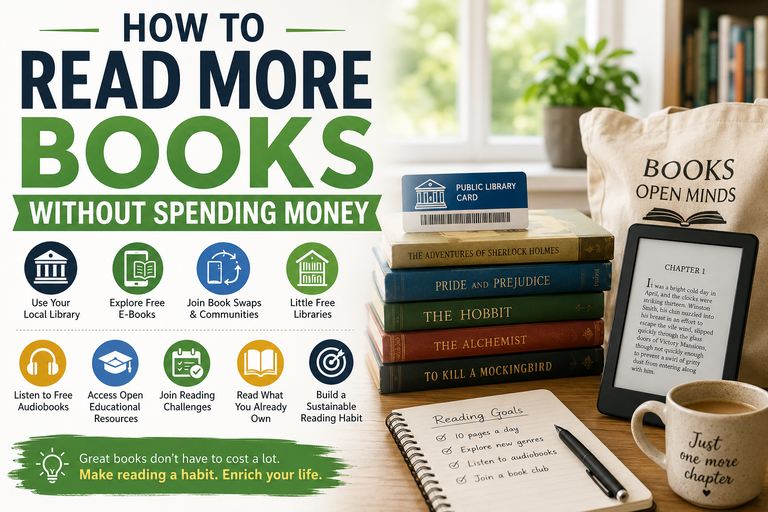
How to Read More Books Without Spending Money
Many people believe that reading regularly is an expensive hobby. New releases, bestselling novels, academic books, and specialized publications can quickly add up, making it seem impossible to maintain a strong reading habit without a significant budget. However, the truth is quite the opposite.
Today, readers have more free access to books than at any other time in history. Public libraries, digital archives, free e-book platforms, audiobook services, book-sharing communities, and educational resources provide millions of books at little to no cost. Whether you're a student, professional, lifelong learner, or casual reader, it is entirely possible to build a rich reading life without spending money.
The challenge isn't finding books it's knowing where to look and developing habits that help you make the most of the resources available. This guide explores practical, legal, and sustainable ways to read more books while keeping your wallet closed.
Why Reading More Matters
Before exploring free reading resources, it's worth understanding why increasing your reading habit is so valuable.
Regular reading can:
- Improve vocabulary and communication skills
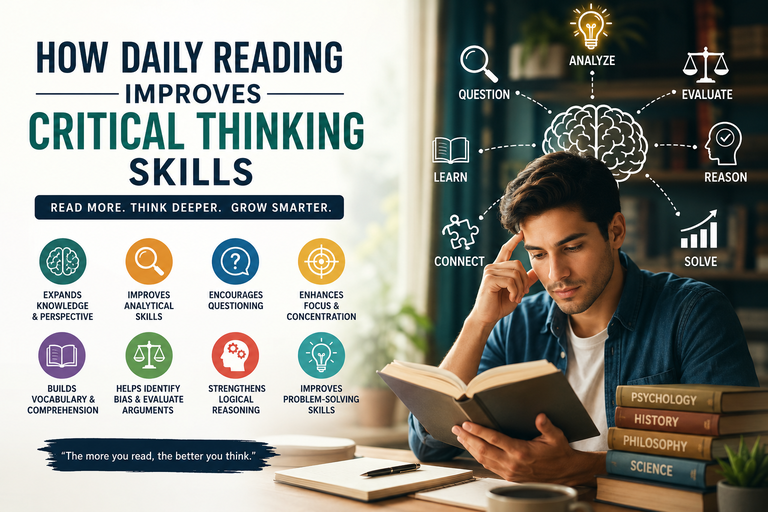
- Strengthen critical thinking and analytical abilities
- Increase knowledge across multiple subjects
- Reduce stress and improve mental well-being
- Enhance creativity and imagination
- Support academic and professional growth
- Improve focus and concentration
The good news is that these benefits don't require expensive purchases. They simply require access to books and a commitment to reading consistently.
1. Maximize Your Local Library
The public library remains one of the greatest educational resources ever created.
Many people underestimate how much value a library card provides. A single free membership can unlock access to thousands of books and digital resources that would otherwise cost hundreds or even thousands of dollars.
Get a Library Card
Most public libraries offer free membership to residents.
With a library card, you can access:
- Fiction and nonfiction books
- New releases
- Children's books
- Academic materials
- E-books
- Audiobooks
- Newspapers
- Magazines
- Online learning platforms
- Research databases
A library card is often the highest-value free reading tool available.
Explore Library Programs
Many libraries also host:
- Book clubs
- Reading challenges
- Author talks
- Educational workshops
- Community events
These programs help readers stay motivated and discover new books.
Request Books
If the title you're looking for isn't available, don't assume you're out of options.
Many libraries offer:
- Purchase request programs
- Interlibrary loan services
- Regional library partnerships
These systems allow libraries to borrow books from other institutions, giving readers access to a much larger collection.
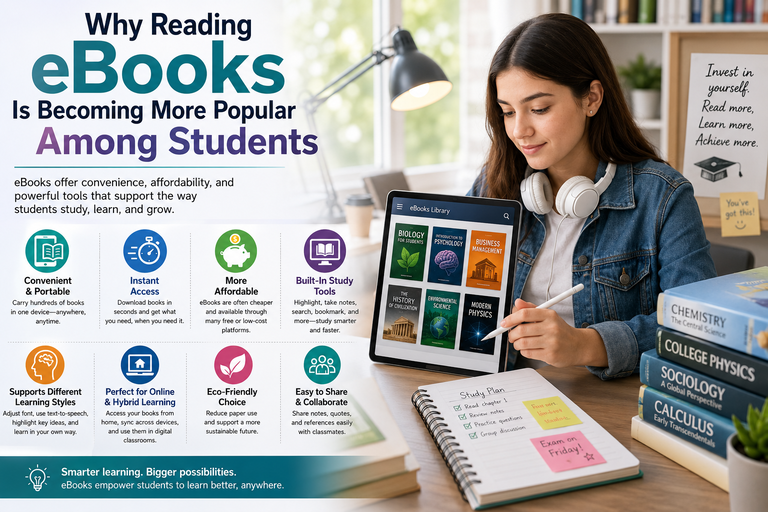
2. Use Digital Library Apps
Modern libraries have expanded far beyond physical buildings.
Many partner with digital platforms that allow users to borrow books directly from their smartphones, tablets, or e-readers.
Popular library apps include:
- Libby
- OverDrive
- Hoopla
- BorrowBox
Benefits include:
- Instant downloads
- No travel required
- Automatic returns
- No overdue fines
- Access from anywhere
This convenience makes reading easier than ever, especially for busy individuals.
3. Explore Free E-Book Platforms
The internet contains millions of legally available books.
Many older works have entered the public domain, allowing readers to download and enjoy them for free.
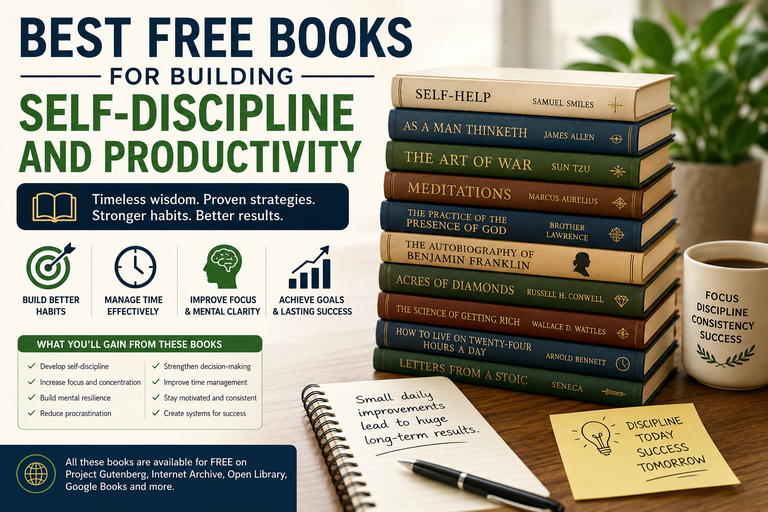
Project Gutenberg
Project Gutenberg offers tens of thousands of public domain books.
Popular categories include:
- Literature
- Philosophy
- History
- Science
- Religion
- Poetry
You can download books in multiple formats for phones, tablets, and e-readers.
Standard Ebooks
Standard Ebooks improves public domain texts by:
- Correcting formatting issues
- Creating modern layouts
- Optimizing reading experiences
The result is a cleaner and more enjoyable reading experience.
Internet Archive
The Internet Archive provides access to:
- Digitized books
- Historical texts
- Academic publications
- Rare materials
It is one of the largest digital libraries in the world.
Open Library
Open Library allows users to borrow digital books through an online lending system.
Its catalog includes millions of titles across numerous genres and subjects.
4. Take Advantage of Free Book Promotions
Many authors and publishers offer books for free as part of marketing campaigns.
These promotions can provide access to:
- New releases
- Independent publications
- Series starters
- Educational books
Where to Find Free Promotions
Check regularly on:
- Amazon Kindle Store
- Google Play Books
- Apple Books
Authors often make the first book in a series permanently free to attract new readers.
Subscribe to Author Newsletters
Authors frequently reward subscribers with:
- Free books
- Bonus chapters
- Exclusive content
- Advance reader copies
These opportunities can help you build a large digital library without spending money.
5. Join a Book Swap Community
Book ownership doesn't have to involve buying.
Book-sharing communities allow readers to exchange titles they no longer need.
Organize a Local Book Swap
A simple book exchange can involve:
- Friends
- Family members
- Neighbors
- Coworkers
- School groups
Everyone brings books they've finished and exchanges them for something new.
Participate in Community Events
Many schools, churches, and community centers host book-sharing programs that encourage reading while reducing waste.
6. Discover Little Free Libraries
Little Free Libraries are small book-sharing boxes placed in neighborhoods worldwide.
The concept is simple:
- Take a book
- Read it
- Return it or replace it
- Share with others
These community-driven libraries make books accessible to everyone regardless of income.
Many readers discover hidden literary gems through these local exchanges.
7. Read the Books You Already Own
One of the most overlooked sources of free reading material is your existing collection.
Many readers accumulate books faster than they finish them.
Shop Your Shelf
Take inventory of:
- Unread books
- Partially completed books
- Forgotten purchases
- Gifts from friends and family
You may already have months or even years of reading material available at home.
Revisit Favorite Books
Re-reading can be surprisingly rewarding.
A second reading often reveals:
- New insights
- Deeper themes
- Better understanding
- Different perspectives
Great books frequently offer something new each time they are read.
8. Use Free Trials Strategically
Several digital reading services offer free trial periods.
Examples include:
- Audible
- Kindle Unlimited
- Scribd
To maximize value:
- Sign up when you have time to read
- Create a reading list beforehand
- Finish high-priority books during the trial
- Set cancellation reminders
A carefully planned free trial can provide access to multiple books at no cost.
9. Access Open Educational Resources
Educational institutions increasingly publish learning materials online for free.
Open Educational Resources (OER)
These resources include:
- Textbooks
- Study guides
- Course materials
- Research content
Popular subjects include:
- Business
- Psychology
- Economics
- Science
- Mathematics
- Literature
- History
Students can often replace expensive textbooks with high-quality open alternatives.
University Reading Materials
Many universities publish:
- Lecture notes
- Reading lists
- Academic articles
- Educational books
These materials provide access to world-class learning opportunities without tuition fees.
10. Listen to Free Audiobooks
Reading doesn't always require sitting down with a physical book.
Audiobooks allow people to consume books while performing other activities.
Free Audiobook Sources
Look for audiobooks through:
- Public libraries
- Librivox
- Public domain collections
- Educational archives
Make Use of Idle Time
Listen during:
- Commuting
- Walking
- Exercising
- Cooking
- Household chores
Many readers finish dozens of books each year simply by incorporating audiobooks into their daily routines.
11. Join Reading Challenges
Motivation often matters more than access.
Reading challenges provide structure and accountability.
Examples include:
- Monthly reading goals
- Genre challenges
- Seasonal reading programs
- Library-sponsored competitions
- Online reading communities
Challenges help transform occasional reading into a consistent habit.
They also encourage readers to explore books they might not otherwise choose.
12. Build a Sustainable Reading Habit
Access to free books means little without a reading routine.
Start Small
Avoid unrealistic goals.
Instead of aiming for 100 books per year, begin with:
- 10 pages per day
- 15 minutes each morning
- 20 minutes before bed
Small habits compound over time.
Create a Reading Schedule
Consistency is easier when reading becomes part of your daily routine.
Consider:
- Reading during lunch breaks
- Reading before sleep
- Reading while commuting
- Replacing television time with books
Even 20 minutes daily can lead to dozens of completed books each year.
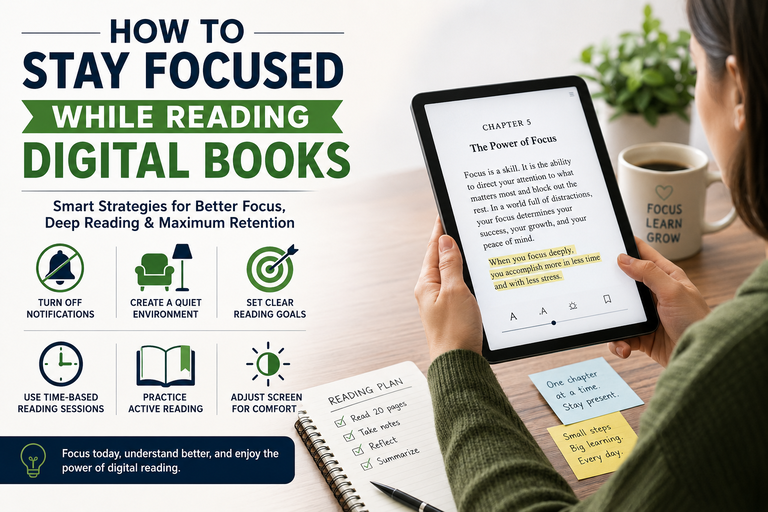
13. Reduce Screen Distractions
One of the biggest barriers to reading isn't cost it's competition for attention.
Social media, streaming platforms, and endless notifications often consume the time that could be spent reading.
Try:
- Turning off unnecessary notifications
- Setting app time limits
- Keeping a book nearby
- Creating dedicated reading periods
Replacing just 30 minutes of scrolling with reading can significantly increase the number of books you finish annually.
14. Focus on Quality, Not Quantity
Many readers become obsessed with reading statistics.
However, reading more isn't only about finishing more books.
Meaningful reading includes:
- Taking notes
- Highlighting ideas
- Reflecting on lessons
- Discussing books with others
- Applying what you've learned
One thoughtfully read book can provide more value than ten books rushed through without understanding.
Benefits of Reading for Free
Reading without spending money offers several advantages beyond saving cash.
These include:
Financial Freedom
You can read widely without affecting your budget.
Greater Variety
Free resources encourage exploration of different genres and authors.
Lifelong Learning
Continuous access to books supports personal and professional growth.
Reduced Consumer Pressure
Readers focus more on learning and enjoyment rather than purchasing.
Sustainable Reading Habits
Free resources make reading accessible for the long term.
Final Thoughts
Reading more books without spending money is not only possible it has never been easier. Public libraries, digital lending services, public domain archives, free audiobook platforms, book swaps, and open educational resources provide virtually unlimited opportunities for readers to explore new ideas and expand their knowledge.
The most important factor is not your budget but your commitment to reading consistently. A free library card, a digital reading app, or an unread book already sitting on your shelf may be all you need to begin.
Start today. Borrow a book from your library, download a classic from a public domain archive, join a reading community, or revisit a forgotten favorite from your collection. The next book that inspires, educates, or transforms your life could already be available to you completely free of charge