Audiobooks, Ebooks, and PDFs: How the World Is Really Reading in 2025
Reading in 2025 looks dramatically different from what it was even ten years ago. The shift didn’t happen because people lost interest in reading. On the contrary, more people are consuming written content than ever before. The real change is how reading happens.
Books no longer live only on shelves. Stories, textbooks, manuals, and ideas now move effortlessly through smartphones, tablets, laptops, and headphones. Reading has escaped the boundaries of paper and entered daily life in ways that print alone could never manage.
For millions of readers worldwide, physical books are no longer the default option. Instead, people move fluidly between multiple formats depending on context, time, and access:
-
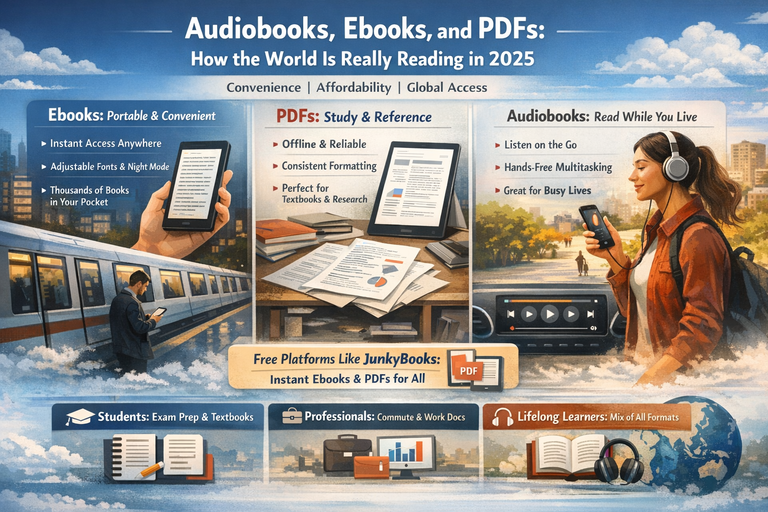
Ebooks on phones, tablets, and e-readers
-
PDFs for structured learning, research, and offline reference
-
Audiobooks for multitasking, accessibility, and screen-free time
What’s driving this transformation isn’t technology alone. Three powerful forces shape almost every reading decision in 2025:
convenience, affordability, and global access.
As these forces reshape reading habits, free digital libraries and platforms such as JunkyBooks have become central to the modern reading ecosystem. They help readers access ebooks and PDFs instantly, especially in regions where print books are expensive, unavailable, or slow to obtain.
Reading in 2025 Is Multi-Format by Default
Today’s readers rarely think in terms of loyalty to a single format. The question is no longer, “Do I prefer ebooks or audiobooks?” Instead, readers ask:
“What format fits my life right now?”
A single reader might use multiple formats in the same day:
-
At home: an ebook in night mode before sleep
-
At work: a searchable PDF reference document
-
On a walk: an audiobook chapter
-
In school: PDFs for lecture notes and past exam papers
-
In transit: short ebook sessions on a phone
The defining characteristic of reading in 2025 is flexibility. Formats adapt to moments, not the other way around. This fluid approach has removed many of the barriers that once limited how often and how much people read.
Ebooks: The Everyday Default for Portable Reading
Ebooks have quietly become the “daily driver” of reading for millions of people. They strike a balance between comfort, portability, and immediacy that no other format matches as consistently.
Why Ebooks Keep Winning in 2025
Several factors keep ebooks at the center of modern reading habits:
-
Smartphones are universal: For many readers globally, a smartphone is the only consistent reading device they own.
-
Instant access: Readers can discover, download, and start reading a book in minutes.
-
Customization: Adjustable fonts, night mode, built-in dictionaries, bookmarks, and highlighting tools improve comfort and comprehension.
-
Zero physical space: Entire personal libraries live on a single device, eliminating storage concerns.
Ebooks remove friction from reading. There’s no setup, no waiting, and no need for a dedicated space or time block.
Who Ebooks Work Best For
Ebooks are particularly effective for:
-
Commuters reading in short bursts
-
Students reviewing material between classes
-
Leisure readers juggling multiple books
-
Readers in regions with limited bookstores or libraries
For many people, ebooks aren’t just convenient they’re the most reliable way to maintain a consistent reading habit in a busy, mobile world.
PDFs: The Backbone of Study, Reference, and Serious Reading
While ebooks dominate casual and leisure reading, PDFs dominate functional reading. They remain the global standard for structured content where accuracy, layout, and consistency matter.
PDFs are widely used for:
-
Textbooks and lecture notes
-
Research papers and academic journals
-
Exam preparation materials
-
Manuals, forms, and professional documents
Why PDFs Are Thriving in 2025
Despite newer formats, PDFs continue to thrive because they solve specific problems extremely well:
-
Offline reliability: Once downloaded, PDFs work anywhere without ongoing internet access.
-
Fixed formatting: Page numbers, charts, diagrams, and layouts remain consistent across devices.
-
Universal compatibility: PDFs open on almost any device and operating system.
-
Powerful search: Keyword search makes studying faster and more efficient.
Where PDFs Fit Best
PDFs are especially valuable for:
-
Students preparing for exams
-
Professionals working with technical or legal documents
-
Lifelong learners building reference libraries
-
Readers in low-bandwidth or offline environments
PDFs may not always offer the most comfortable long-form reading experience on small screens, but for learning, reference, and documentation, they remain unmatched.
Audiobooks: The Fastest-Growing Reading Time Multiplier
Audiobooks have redefined what counts as reading time. In 2025, listening is no longer seen as an alternative it’s an expansion of reading itself.
Audiobooks fit naturally into moments when eyes are busy but attention is available:
-
Commuting and driving
-
Exercising or walking
-
Cooking, cleaning, and household tasks
-
Caregiving and repetitive work
-
Breaks from screens and digital fatigue
Why Audiobooks Matter Beyond Convenience
Audiobooks are also critical for accessibility and inclusion:
-
For people with visual impairments
-
For readers with dyslexia or print-related difficulties
-
For language learners improving listening skills
In many households, audiobooks have become shared experiences played during family routines, road trips, or quiet evenings. They turn passive moments into meaningful engagement with ideas and stories.
What’s Driving the Global Shift Away From Print-First Reading
This transition isn’t about print becoming obsolete. Physical books still carry emotional, cultural, and aesthetic value. However, digital formats solve practical problems that print often can’t.
1) Convenience Wins Daily
Digital books are instant. Readers can start a new book in minutes, not days. That speed matters in a world built around immediacy.
2) Affordability Is Non-Negotiable
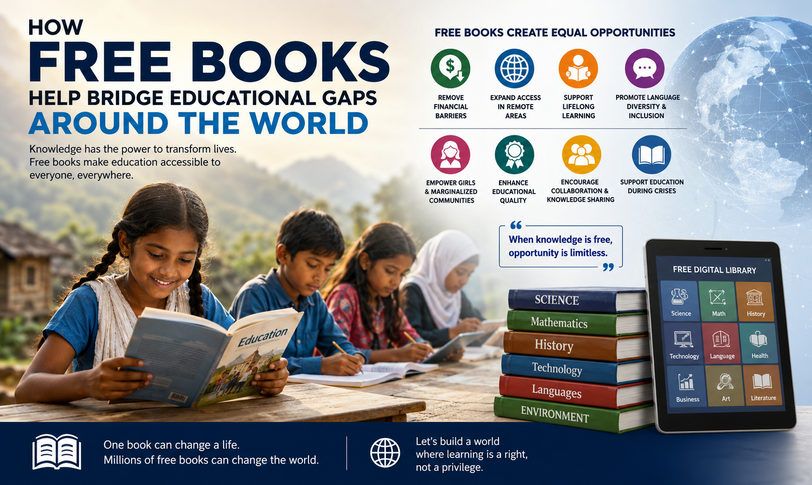
In many regions, books are expensive relative to income. Digital and free platforms lower the financial barrier to consistent reading.
3) Access Remains Unequal
Bookstores are limited in many areas, libraries are underfunded, and shipping can be slow or costly. Digital formats reduce geography as a barrier to knowledge.
4) Reading Happens in Fragments
Modern life rarely allows long, uninterrupted reading sessions. Ebooks and audiobooks support “in-between” reading small moments that add up over time.
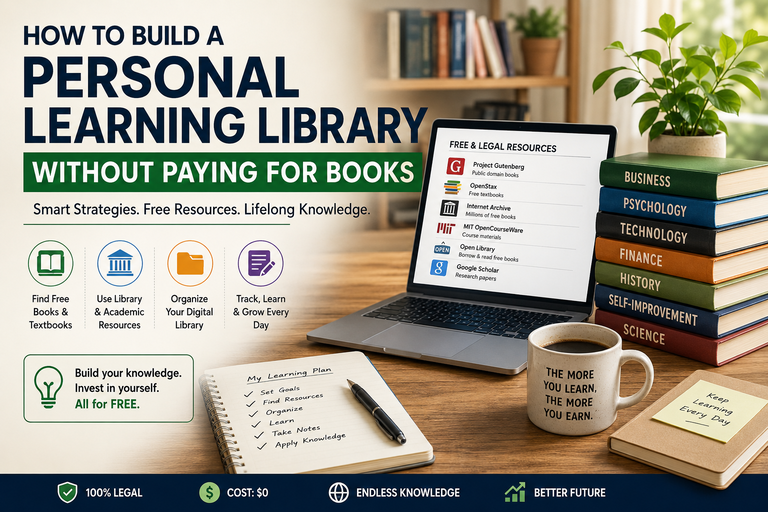
The Role of Free Platforms Like JunkyBooks in 2025’s Reading Reality
Free platforms play a crucial role by reducing the distance between wanting to read and actually reading.
When ebooks and PDFs are instantly available, readers can:
-
Explore new topics without financial risk
-
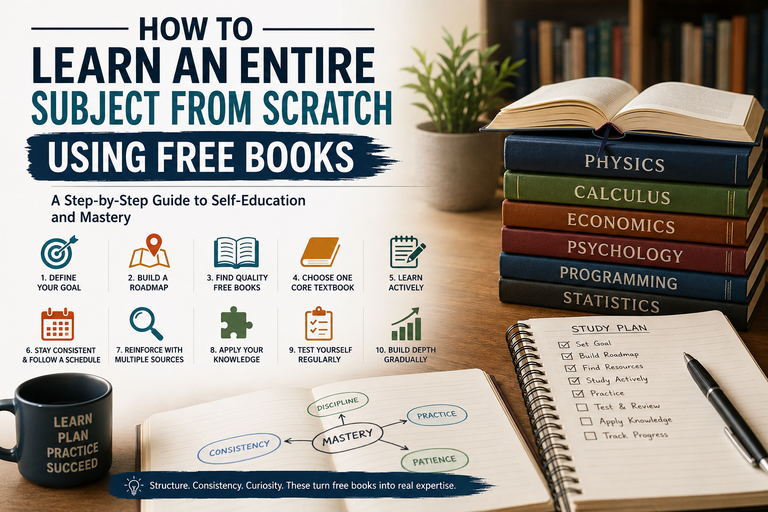
Build personal learning libraries
-
Study efficiently with offline access
-
Continue reading during budget constraints
For students, this means more practice materials and reference texts. For professionals, easier self-education and upskilling. For casual readers, freedom to explore without constant spending.
In many parts of the world, free digital access isn’t a luxury it’s essential infrastructure.
How Different Readers Use Formats in 2025
Students: PDFs First, Ebooks Second, Audiobooks Growing
-
PDFs: textbooks, past questions, exam prep
-
Ebooks: portable reading, highlighting, comfort
-
Audiobooks: literature study, revision on the move, accessibility
Professionals: Ebooks for Commuting, PDFs for Work, Audio for Time Recovery
-
Ebooks: business and industry reading
-
PDFs: reports, frameworks, certification materials
-
Audiobooks: learning during “dead time”
Lifelong Learners: Mixed-Format Digital Libraries
Lifelong learners often maintain flexible stacks:
-
PDFs for structured courses
-
Ebooks for deep reading
-
Audiobooks for consistency and volume
Free platforms make this long-term learning sustainable and scalable.
The Future of Reading Isn’t One Format It’s Freedom of Choice
The most accurate way to describe reading in 2025 isn’t “digital versus print.” It’s format fluidity.
-
Ebooks make reading portable and comfortable
-
PDFs make learning efficient and dependable
-
Audiobooks expand reading into the rest of life
Platforms like JunkyBooks support this evolution by lowering cost barriers and providing instant access especially where physical books are difficult to obtain.
The future of reading isn’t about replacing paper. It’s about giving people the freedom to choose the format that fits their lives and making that choice available to more of the world.