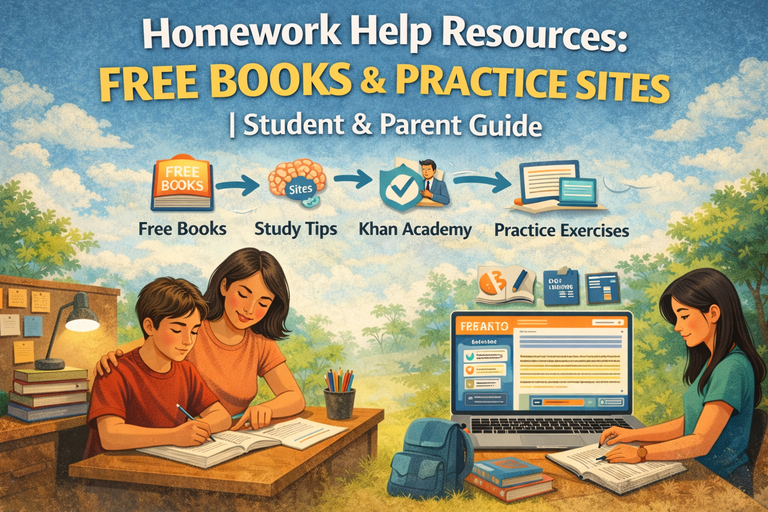
Homework Help Resources: Free Books & Practice Sites | Student & Parent Guide
A Student & Parent Guide
Homework gets easier when two things are in place:
Clear explanations you can reread, and
Enough practice to build fluency and confidence.
The internet is full of “homework help,” but not all of it actually helps students learn. Some sites only give answers, some are unreliable, and others hide the best features behind paywalls.
This guide brings together reliable, mostly free resources including full textbooks, digital libraries, and high-quality practice sites across major subjects. It also includes simple workflows and tips to help students use these tools effectively (without overwhelm) and to help parents know what to trust.
Note: Availability and free-tier limits can change over time. Most resources below are free to access, with optional paid upgrades.
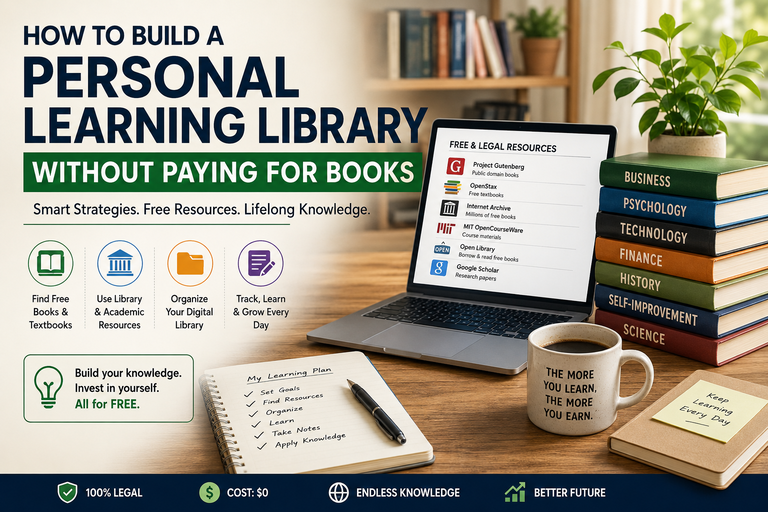
1) Free Books & Textbook-Style Resources (Open Educational Resources)
These are best when students need full lessons, structured explanations, and reference material not just quick answers.
A. Full, Free Textbooks (Highly Recommended)
OpenStax (Middle School–College)
Free, peer-reviewed textbooks written by educators
Subjects: Math, Science, Economics, History, Psychology, Statistics
Excellent alignment with school and college courses
Great for: Algebra–Calculus, Biology, Chemistry, Physics, Statistics
CK-12 (K–12)
“FlexBooks” with modular lessons
Includes explanations, examples, practice, simulations, and visuals
Can be customized by topic or grade
Great for: Math, Science, Integrated Middle School Courses
LibreTexts (High School–College)
Massive open library of textbooks and course materials
Especially strong in STEM and social sciences
Great for: Chemistry, Calculus, Engineering, Sociology
Open Textbook Library
https://open.umn.edu/opentextbooks
Curated list of open textbooks across disciplines
Mostly college-level, but useful for advanced high school students
BCcampus OpenEd
High-quality open textbooks
Strong for upper-level and specialized subjects
B. Free Books, Classics & Reference Libraries
Project Gutenberg
Over 60,000 public-domain ebooks
Classic literature, poetry, and historical texts
Great for: English classes and independent reading
Internet Archive / Open Library
https://archive.org
https://openlibrary.org
Massive digital library
Many books available to borrow online for free with an account
Great for: Hard-to-find textbooks, research, and historical works
National Academies Press (NAP)
Research-based books and reports, many free as PDFs
Great for: Science reports, policy research, advanced projects
C. Course Notes & Learning Materials (Textbook-Level)
MIT OpenCourseWare
Free lecture notes, assignments, exams, and readings
Challenging but excellent for motivated learners
OpenLearn (The Open University)
https://www.open.edu/openlearn
Free short courses with readings and activities
Ideal for review and enrichment
OER Commons
Search engine for free curriculum by subject and grade
Helpful for finding targeted resources
2) Free Practice Sites (Skills, Quizzes & Problem Sets)
Practice sites are most effective after the concept is understood. They help build speed, accuracy, and confidence.
A. All-in-One Practice (Multiple Subjects)
Khan Academy (K–12 + Some College)
Lessons, videos, practice problems, mastery tracking
Excellent for math and science
Quizlet (Free Tier)
Flashcards for vocabulary, definitions, and formulas
Students can create their own study sets
Anki
Spaced-repetition flashcards
Excellent for long-term memorization
Schoolhouse.world
Free tutoring, study groups, and practice communities
Strong for math and SAT prep
B. Math (Basics to Advanced)
Desmos – Graphing calculator and activities
https://www.desmos.comGeoGebra – Geometry, algebra, and graphing tools
https://www.geogebra.orgDeltaMath – Targeted math practice (access varies by teacher)
https://www.deltamath.comNRICH – Rich problem-solving tasks
https://nrich.maths.orgArt of Problem Solving (AoPS) – Contest-style thinking
https://artofproblemsolving.com
C. Science (Interactive & Conceptual)
PhET Interactive Simulations
https://phet.colorado.eduCrash Course (Video Overviews)
https://thecrashcourse.comNASA STEM Resources
https://www.nasa.gov/stem
D. Reading & English Language Arts
CommonLit (Grades 3–12)
https://www.commonlit.orgReadTheory (Adaptive Reading Practice)
https://readtheory.orgPurdue OWL (Writing & Citations)
https://owl.purdue.eduHemingway Editor (Clarity & Readability)
https://www.hemingwayapp.com
E. History & Social Studies
Library of Congress (Primary Sources)
https://www.loc.govSmithsonian Learning Lab
https://learninglab.si.eduStanford History Education Group (SHEG)
https://sheg.stanford.edu
F. Languages
Duolingo (Free Tier)
https://www.duolingo.comBBC Bitesize / BBC Languages (Availability varies)
https://www.bbc.co.uk/bitesize
G. Coding & Computer Science
freeCodeCamp
https://www.freecodecamp.orgCode.org
https://code.orgKaggle Learn
https://www.kaggle.com/learnHackerRank / LeetCode
https://www.hackerrank.com
https://leetcode.com
3) “Free Book + Practice” Pairings (Quick Picks)
Math (Middle School–Precalculus)
Lessons: OpenStax or CK-12
Practice: Khan Academy + Desmos/GeoGebra
Biology / Chemistry / Physics
Lessons: OpenStax
Practice: Khan Academy + PhET simulations
English (Reading & Writing)
Reading: CommonLit + Project Gutenberg
Practice: ReadTheory + Purdue OWL
History
Lessons: OpenStax History
Practice: Library of Congress + SHEG
Computer Science
Lessons: freeCodeCamp or Code.org
Practice: Small projects + HackerRank/LeetCode
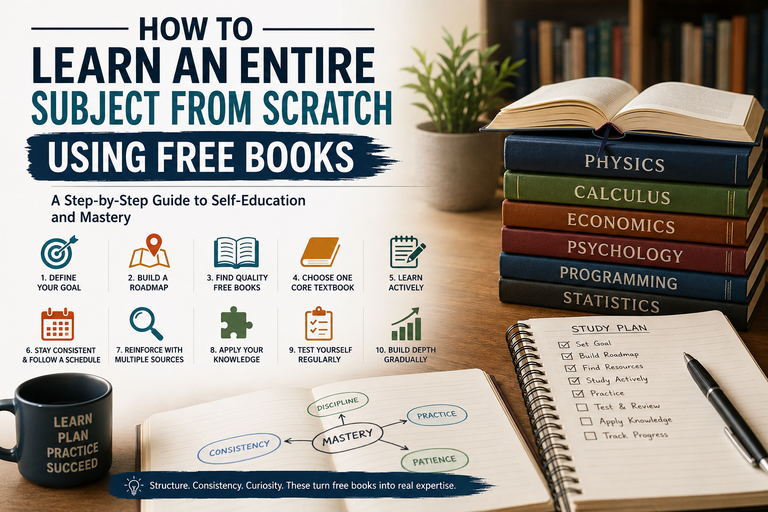
4) How to Use These Resources Effectively (A Simple Workflow)
Avoid jumping randomly between sites. Use this 4-step loop:
Identify the exact skill
Example: “Solve systems by elimination,” not “Algebra.”
Learn it from one trusted source (10–20 minutes)
OpenStax, CK-12, or Khan Academy
Practice in small sets (10–15 problems)
Check answers
Redo missed problems without notes
Do mixed review (5–10 minutes)
Combine old and new topics to improve retention
Pro Tip: Keep an Error Log
Write down:
What went wrong (concept, arithmetic, skipped step)
Why it happened
The correct rule or reminder
5) How to Spot Good (and Bad) Homework Help
Good resources usually:
Explain why, not just what
Show multiple worked examples
Include practice with feedback
Cite sources (especially for history/science)
Match the student’s grade or course level
Be cautious with:
Answer-only sites
Solutions that don’t match your teacher’s method
Unverified forums for factual subjects
Sites that request excessive personal information
6) Free Help Beyond Websites (Often Overlooked)
Your Local Library
Free tutoring programs
Homework clubs
Access to paid databases at no cost
Teacher Office Hours & After-School Help
Bring specific questions, not “I don’t get it”
Study Groups
Explaining a concept to someone else is one of the most effective ways to learn it
7) Printable Free Guides (Copy & Paste)
A. Homework Help Resource Tracker
B. 15-Minute Rescue Plan (When You’re Stuck)
Final Thoughts
Homework doesn’t require expensive subscriptions it requires clear explanations, consistent practice, and smart resource choices. By pairing free textbooks with quality practice tools, students can build real understanding instead of just finishing assignments.
For parents, these resources provide transparency and reliability. For students, they offer independence and confidence. Used together, they turn homework from frustration into progress.